alopecia shots have become a popular option for individuals seeking to combat hair loss without invasive surgery. These injections target the underlying causes of thinning hair, offering a minimally invasive pathway to regrowth. In the Netherlands, more than 2 % of adults report noticeable hair thinning, making effective, non‑surgical solutions increasingly relevant.
In this article we explore the mechanisms behind these treatments, the different types of injections available, what patients can expect during a session, and how to achieve lasting results. Whether you are dealing with alopecia areata, male‑pattern baldness, or diffuse thinning, understanding the options empowers you to make an informed decision.
We will also highlight why Gold City Medical Center is uniquely positioned to provide safe, personalized alopecia shot therapies, combining medical expertise with cutting‑edge technology.
How Alopecia Shots Work: The Science of Platelet‑Rich Plasma
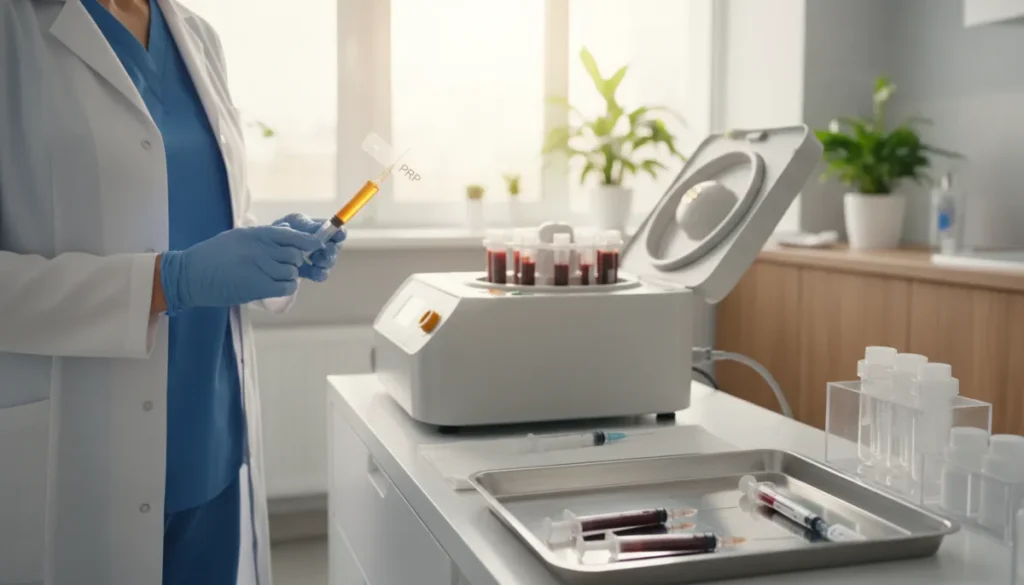
One of the most widely researched approaches is platelet‑rich plasma (PRP) therapy. PRP injections involve drawing a small amount of the patient’s own blood, centrifuging it to concentrate platelets, and re‑injecting the rich plasma into the scalp. The growth factors released stimulate dormant hair follicles, increase blood flow, and promote the anagen (growth) phase of the hair cycle.
Key benefits of PRP include:
- Utilization of the patient’s own biological material, minimizing allergic reactions.
- Potential to improve both density and thickness of existing hair.
- Compatibility with other treatments such as minoxidil or hair transplant surgery.
Clinical studies have shown that patients receiving PRP injections often experience a 30‑45 % increase in hair count after three to four sessions. The treatment is also used for alopecia areata, where autoimmune attacks on hair follicles can be moderated by the anti‑inflammatory properties of the plasma.
Different Types of Alopecia Shots and Their Applications
Beyond PRP, several other injection‑based therapies address specific forms of hair loss. Understanding the distinctions helps patients select the most appropriate option.
| Shot Type | Primary Use | Typical Frequency | Key Advantages |
|---|---|---|---|
| PRP Injection | General thinning, alopecia areata | Every 4‑6 weeks (3‑4 sessions) | Autologous, minimal side effects |
| Corticosteroid Shot | Alopecia areata patches | Every 4‑8 weeks | Reduces inflammation quickly |
| Mesotherapy (Nutrient Cocktail) | Diffuse hair loss, scalp nourishment | Every 2‑3 weeks | Delivers vitamins, minerals, amino acids |
For patchy alopecia areata, corticosteroid shots (often referred to as cortisone injections) are frequently employed to suppress the immune response that attacks hair follicles. While effective, they may carry risks such as skin thinning if overused, making careful dosing essential.
Mesotherapy combines vitamins, hyaluronic acid, and sometimes minoxidil into a micro‑injection that nourishes the scalp environment. This approach is popular among patients seeking a holistic “beauty” treatment that also supports hair health.
What to Expect During a Treatment Session
Before any injection, a thorough consultation is performed to diagnose the type of hair loss and determine the most suitable shot regimen. The practitioner may use a dermatoscope to examine follicle health and may request blood work to rule out underlying hormonal or nutritional deficiencies.
During the procedure:
- The scalp is cleansed and a topical anesthetic may be applied to reduce discomfort.
- For PRP, a small amount of blood is drawn, processed, and the plasma is injected into targeted zones.
- Corticosteroid shots are administered directly into inflamed patches using a fine‑gauge needle.
- Each injection typically takes 1‑2 minutes; a full session lasts 30‑45 minutes.
Patients often report mild soreness lasting a few hours, similar to a typical vaccination. Rare side effects include temporary redness, swelling, or bruising at the injection site. The cost of a single session varies, with PRP ranging from €300‑€500 per treatment in Dutch clinics, while corticosteroid injections are generally less expensive.
Most clinics, including Gold City Medical Center, provide a post‑procedure care plan that may include gentle scalp massage, avoidance of harsh chemicals, and optional topical treatments to enhance results.
Results, Recovery, and Long‑Term Care
Visible improvement typically begins 8‑12 weeks after the initial series of injections. Patients may notice thicker strands, reduced shedding, and a fuller appearance in previously bald spots. Consistency is key: most protocols recommend a maintenance session every 4‑6 months after the initial course.
Long‑term success also depends on lifestyle factors. Adequate nutrition, stress management, and avoidance of harsh styling practices support the regenerative effects of the shots. For men, combining alopecia shots with finasteride or topical minoxidil can amplify outcomes, while women may benefit from hormonal balance assessments.
It is essential to set realistic expectations. While many experience significant regrowth, complete reversal of advanced baldness is uncommon without adjunctive procedures such as hair transplantation. Nonetheless, alopecia shots provide a non‑surgical pathway that can delay or reduce the need for more invasive interventions.
Why Choose Gold City Medical Center
Gold City Medical Center combines integrative medicine with state‑of‑the‑art cosmetic expertise. Our team of board‑certified dermatologists and hair restoration specialists tailors each alopecia shot protocol to the individual’s unique scalp condition, medical history, and aesthetic goals. We employ sterile, FDA‑approved equipment and adhere to rigorous safety standards, ensuring that every injection is both effective and comfortable.
Patients benefit from a comprehensive approach that includes pre‑treatment diagnostics, personalized after‑care, and access to complementary services such as laser therapy and nutritional counseling. Choosing Gold City means receiving care from a trusted center dedicated to holistic hair health.
Ready to restore your confidence with safe, proven alopecia shot treatments? Contact Gold City Medical Center today to schedule your personalized consultation and take the first step toward fuller, healthier hair.
FAQ
What are alopecia shots and how do they work?
Alopecia shots are injectable treatments that stimulate hair follicles, often using the patient’s own blood components to promote regrowth.
How effective is PRP therapy for hair regrowth?
Clinical studies show PRP can increase hair count by 30‑45% after three to four sessions.
What are the differences between PRP, corticosteroid, and mesotherapy injections?
PRP uses the patient’s own blood, corticosteroids suppress immune inflammation, and mesotherapy delivers nutrients and sometimes minoxidil.
What should I expect during a hair restoration injection session?
A brief consultation, scalp cleansing, optional anesthetic, and 1‑2 minute injections lasting a total of 30‑45 minutes.
How long does it take to see results from alopecia shots?
Visible improvements usually appear 8‑12 weeks after the initial series of injections.
Are there any risks or side effects associated with alopecia shot treatments?
Side effects are generally mild, including temporary soreness, redness, swelling, or bruising at the injection site.
How often are maintenance sessions needed for long‑term hair health?
Maintenance injections are typically recommended every 4‑6 months after the initial treatment course.
Why choose Gold City Medical Center for alopecia shot treatments?
Gold City offers personalized protocols, board‑certified specialists, and state‑of‑the‑art equipment in a safe, integrative setting.





