Facing the reality of being bald at 30 can feel unsettling, especially when society often associates a full head of hair with youth and vitality. This article unpacks the science behind early hair loss, outlines practical steps you can take, and highlights advanced solutions offered by Gold City Medical Center. By the end, you’ll have a clear roadmap to manage thinning hair, restore confidence, and make informed decisions about treatment options.
According to global dermatology surveys, approximately 25 % of men notice noticeable hair thinning by their early thirties. While genetics play a pivotal role, lifestyle, hormonal shifts, and environmental factors also contribute to the pattern of loss. Understanding these variables is the first step toward effective intervention.
In the sections that follow, we’ll explore the underlying causes of early male pattern baldness, identify warning signs, compare medical and surgical treatments, and discuss lifestyle adjustments that can slow progression. Whether you are just noticing a receding hairline or already experiencing significant thinning, the information here is tailored to help men in their thirties regain control over their hair health.
What Triggers Early Male Pattern Baldness?
When men become bald at 30, the most common diagnosis is androgenetic alopecia, often referred to as male pattern baldness. This condition results from a combination of genetic predisposition and the hormone dihydrotestosterone (DHT), which miniaturizes hair follicles over time.
Genetische factoren
Family history remains the strongest predictor. If your father or grandfather experienced hair loss in their twenties or thirties, you are more likely to follow a similar trajectory. Genetic testing can identify specific markers linked to heightened DHT sensitivity.
Hormonal Influences
DHT, derived from testosterone, binds to receptors in scalp follicles, shortening the growth phase (anagen) and prolonging the resting phase (telogen). Men with higher DHT levels often notice a receding hairline at the temples and thinning at the crown.
Bijdragers aan milieu en levensstijl
- Chronic stress elevates cortisol, which can exacerbate follicle miniaturization.
- Poor nutrition—especially deficiencies in iron, zinc, and biotin—reduces hair strength.
- Exposure to pollutants and harsh hair care products can damage the scalp’s microenvironment.
Understanding these triggers helps you target the root causes rather than merely addressing symptoms.
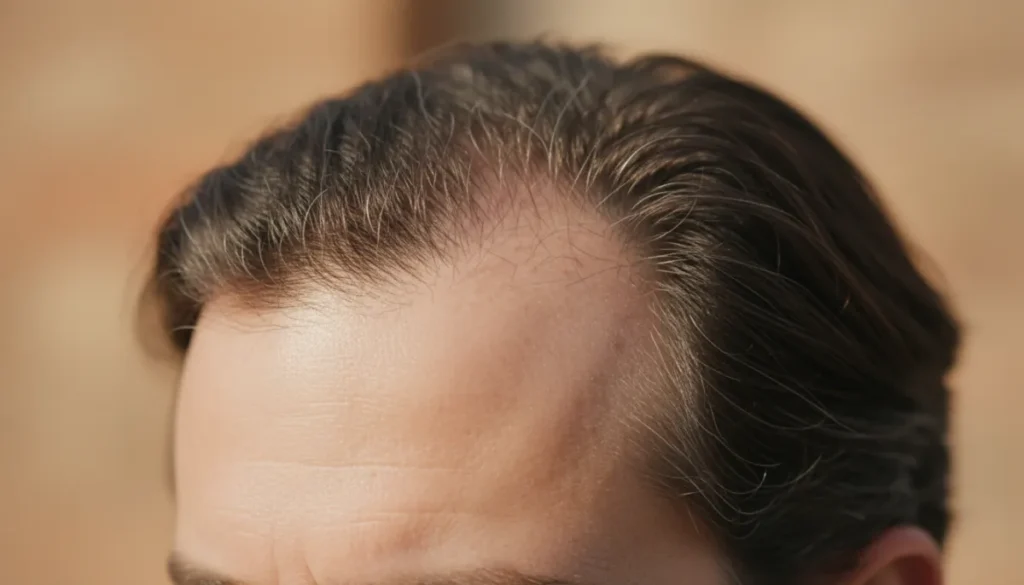
How to Recognize Early Signs and When to Seek Professional Help
Identifying the early stages of becoming bald at 30 empowers you to intervene before significant loss occurs. The most reliable indicators include a widening part, a receding hairline, and noticeable thinning on the crown.
Visual Checklist
| Sign | Typical Age of Onset | What It Indicates |
|---|---|---|
| Receding hairline at temples | Late teens‑early 20s | Early androgenetic alopecia |
| Thinning at crown | Mid‑20s‑early 30s | Progression of DHT‑related loss |
| Increased shedding during washing | Any age | Potential telogen effluvium or hormonal imbalance |
When to Consult a Specialist
Schedule an appointment with a dermatologist or a hair‑restoration clinic if you notice any of the following:
- Rapid increase in daily hair shedding (more than 100 hairs per day).
- Patchy bald spots that appear suddenly.
- Scalp irritation, redness, or itching alongside hair loss.
A professional evaluation typically includes a scalp examination, blood tests to rule out nutritional deficiencies, and possibly a dermoscopic analysis to differentiate between types of alopecia.
Current Treatment Options for Men Experiencing Hair Loss
There is a spectrum of interventions available for men who are bald at 30. Treatments range from topical solutions to surgical procedures, each with distinct benefits and considerations.
Medical Therapies
- Finasteride – An oral prescription that inhibits the conversion of testosterone to DHT, slowing follicle miniaturization.
- Minoxidil (2 % or 5 % topical solution) – Stimulates blood flow to the scalp and can promote regrowth in early stages.
- Low‑level laser therapy (LLLT) – Non‑invasive light treatment that may improve cellular activity in hair follicles.
Surgical Solutions
For men with advanced thinning, hair transplant surgery offers a permanent restoration. Two primary techniques dominate the field:
| Technique | Methode | Typical Graft Survival Rate |
|---|---|---|
| FUE (Follicular Unit Extraction) | Individual follicles harvested and implanted | 90‑95 % |
| FUT (Follicular Unit Transplantation) | Strip of scalp removed, follicles dissected, then implanted | 85‑92 % |
Both approaches require a donor area with robust hair, typically the back of the head, and a skilled surgeon to achieve natural‑looking density.
Emerging Therapies
Research into platelet‑rich plasma (PRP) injections, stem‑cell‑derived follicular neogenesis, and oral nutraceutical blends continues to expand options for early‑stage patients. While promising, many of these treatments are still considered adjuncts rather than stand‑alone cures.
Lifestyle Adjustments to Slow Hair Loss Progression
While medical interventions address hormonal and genetic factors, everyday habits can significantly influence the rate at which you become bald at 30. Small, consistent changes often yield measurable benefits.
Nutrition and Supplements
- Increase intake of protein‑rich foods (lean meats, legumes, nuts) to support keratin production.
- Consume omega‑3 fatty acids from fish or flaxseed to reduce scalp inflammation.
- Consider a daily supplement containing biotin, zinc, and vitamin D, after consulting a healthcare provider.
Stress Management
Chronic stress elevates cortisol, which can push hair follicles into the telogen phase. Incorporate relaxation techniques such as meditation, yoga, or regular aerobic exercise to keep stress hormones in check.
Scalp Care Routine
A gentle, sulfate‑free shampoo cleanses without stripping natural oils. Periodic scalp massages improve circulation, while avoiding tight hairstyles (e.g., ponytails, braids) reduces traction‑induced loss.
Environmental Protection
Limit exposure to harsh UV radiation and pollutants by wearing a hat or using a scalp‑protective spray when outdoors for extended periods.
Why Choose Gold City Medical Center for Hair Restoration
Gold City Medical Center combines integrative medicine with cutting‑edge aesthetic expertise. Our team of board‑certified dermatologists and experienced hair‑transplant surgeons tailors each treatment plan to the individual’s unique hair loss pattern and health profile. We employ advanced FUE technology, offer comprehensive pre‑ and post‑procedure care, and integrate supportive therapies such as PRP and nutritional counseling. With a focus on natural results and patient comfort, Gold City Medical Center is a trusted partner for men seeking lasting solutions to become bald at 30 or beyond.
Ready to take the first step toward a fuller, healthier head of hair? Contact Gold City Medical Center today to schedule a personalized consultation and explore the best treatment path for you.
FAQ
What causes baldness at age 30?
The main cause is androgenetic alopecia, driven by genetics and the hormone DHT, with lifestyle and environmental factors also playing a role.
How can I tell if I am early losing hair?
Look for a widening part, receding hairline at the temples, and thinning on the crown; increased daily shedding is also a warning sign.
What medical treatments are effective for hair loss in my 30s?
Finasteride, minoxidil, and low‑level laser therapy are the most evidence‑based non‑surgical options.
What are the differences between FUE and FUT hair transplant techniques?
FUE extracts individual follicles for implantation, while FUT removes a strip of scalp to harvest follicles, each with distinct scar patterns and graft survival rates.
Can lifestyle changes slow down hair loss?
Yes, improving nutrition, managing stress, and caring for the scalp can reduce the speed of hair loss.
When should I see a dermatologist for hair loss?
Schedule a visit if you notice rapid shedding, patchy bald spots, or scalp irritation, or if you’re unsure about the cause of thinning.





