The balding afro is a concern that affects many individuals with textured hair, especially black men and women who cherish the volume and cultural significance of their curls. This article explains why the balding afro occurs, how to identify early signs, and which medical and cosmetic options are available to restore a healthy hairline.
According to recent dermatology surveys, up to 30% of black adults experience noticeable thinning on the crown or edges by the age of 35. For those with a balding afro, the visual impact can feel especially stark because the natural volume of afro-textured hair masks early loss until it becomes pronounced.
We will explore the underlying causes, discuss diagnostic steps, compare treatment pathways, and provide practical styling tips that protect fragile strands while maintaining confidence.
What Causes a Balding Afro?
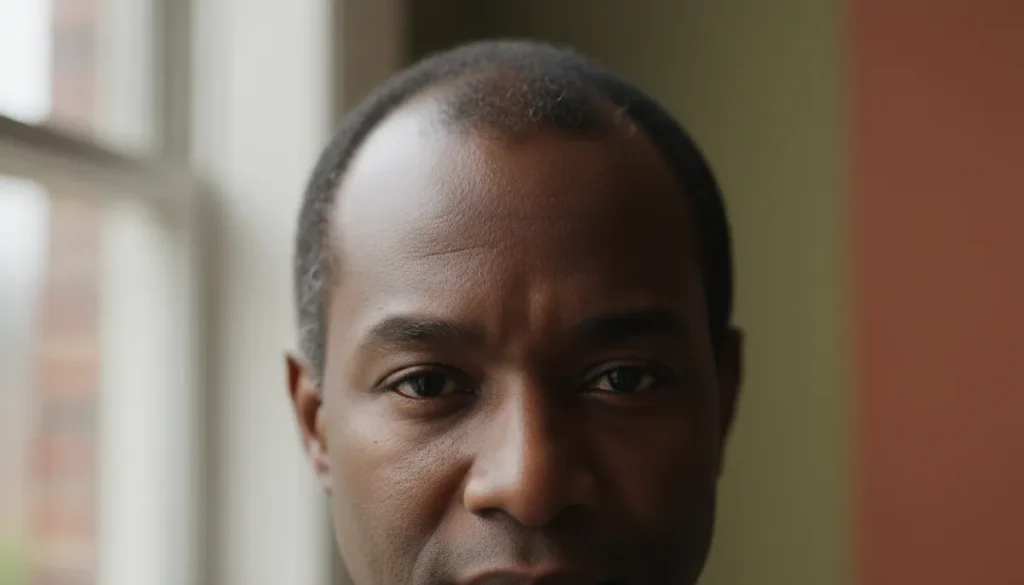
Hair loss in afro-textured hair often stems from a combination of genetic, hormonal, and lifestyle factors. While the term black male balding is frequently used, the same mechanisms can affect black women, leading to patterns such as alopecia in black females or diffuse thinning across the crown.
Key contributors include:
- Androgenic alopecia: Hormonal changes that shrink hair follicles, common in both black balding men and women.
- Traction alopecia: Damage from tight braids, weaves, or extensions that pull on the hairline, often seen in the edges of a balding afro.
- Hoofdhuidontsteking: Conditions like folliculitis or seborrheic dermatitis that impede follicle health.
- Voedingstekorten: Low iron, vitamin D, or essential fatty acids can accelerate thinning.
Understanding these root causes is essential before selecting a treatment plan. For instance, a man experiencing a black receding hairline may benefit from a different approach than a woman dealing with hair loss remedies for women that target hormonal balance.
Early Signs and Professional Diagnosis
Detecting a balding afro early can make a significant difference in treatment success. Common early indicators include:
| Sign | Typical Area Affected | Possible Cause |
|---|---|---|
| Dunner worden bij de kroon | Top of the head | Androgenic alopecia |
| Terugwijkende haarlijn | Forehead edges | Traction alopecia |
| Patchy bald spots | Various locations | Scarring alopecia |
Dermatologists and trichologists use tools such as dermoscopy, scalp biopsies, and blood tests to pinpoint the exact cause. A thorough evaluation helps differentiate between black male hair thinning treatment options and solutions tailored for black women’s hair loss.
Medical and Cosmetic Treatment Options
Once a diagnosis is confirmed, a range of interventions can address a balding afro. Treatments fall into two broad categories: medical and cosmetic.
Medische ingrepen
- Minoxidil (Rogaine): Topical solution that stimulates follicle activity; effective for both men and women.
- Finasteride: Oral medication that blocks DHT production, primarily for black male balding.
- Platelet‑rich plasma (PRP): In‑office injections that use the patient’s own blood to promote growth.
- Low‑level laser therapy (LLLT): Devices that improve scalp circulation and cellular metabolism.
Cosmetic Solutions
- Hair transplants: Follicular unit extraction (FUE) or strip harvesting tailored for afro-textured hair.
- Scalp micropigmentation: Pigment application that mimics the appearance of a shaved head.
- Hair fibers and powders: Temporary camouflage that blends with dark hair tones.
- Custom wigs and extensions: High‑quality options that respect the natural curl pattern.
Choosing the right approach depends on factors such as the extent of thinning, budget, and personal preference. For example, a man with a pronounced black receding hairline may opt for a hair transplant, while a woman seeking a non‑invasive route might start with minoxidil combined with hair growth for black females supplements.
Styling and Care Tips for Thinning Afro Hair
Even while undergoing treatment, proper hair care can slow further loss and improve the appearance of a balding afro. Consider the following practices:
- Moisturize regularly: Use sulfate‑free shampoos and deep conditioners to maintain elasticity.
- Limit heat and tension: Avoid tight braids, excessive heat, and chemical relaxers that exacerbate traction alopecia.
- Protective styling: Opt for low‑tension updos, satin scarves, or loose twists that reduce friction.
- Scalp massage: Stimulate blood flow with gentle circular motions for a few minutes daily.
When choosing a hairstyle, look for options specifically designed for thin black hair and black hairstyles for thinning hair on top. Layered cuts, tapered edges, and textured curls can create the illusion of density without adding weight.
Lifestyle Adjustments and Prevention Strategies
Long‑term prevention of a balding afro involves holistic lifestyle choices that support overall scalp health.
Voeding
Essential nutrients for hair growth include iron, zinc, biotin, and omega‑3 fatty acids. Incorporating foods such as leafy greens, legumes, nuts, and fatty fish can strengthen follicles.
Stress Management
Chronic stress elevates cortisol, which may trigger telogen effluvium—a temporary shedding phase. Practices like meditation, yoga, or regular exercise can mitigate this effect.
Regular Medical Check‑ups
Routine blood work can detect deficiencies early, allowing for timely supplementation. Discuss any sudden changes with a dermatologist to rule out underlying conditions.
By combining medical treatment, thoughtful styling, and healthy habits, individuals with a balding afro can achieve noticeable improvement and maintain confidence.
Why Choose Gold City Medical Center
Gold City Medical Center offers an integrative approach to hair restoration, combining advanced medical treatments with personalized cosmetic solutions. Our team of experienced dermatologists and hair‑transplant surgeons understands the unique challenges of afro‑textured hair, ensuring safe, effective, and culturally sensitive care. From PRP sessions to customized transplant techniques, we tailor each plan to the individual’s needs, helping you regain a fuller, healthier appearance.
Ready to take the first step toward restoring your afro? Contact Gold City Medical Center today to schedule a confidential consultation and discover the best solution for your hair journey.
FAQ
What are the main causes of a balding afro?
A balding afro is usually caused by androgenic alopecia, traction alopecia, scalp inflammation, and nutritional deficiencies.
How can I identify early signs of a balding afro?
Early signs include thinning at the crown, a receding hairline, and patchy bald spots.
What medical treatments are available for a balding afro?
Medical options include minoxidil, finasteride, PRP injections, and low‑level laser therapy.
Are there cosmetic solutions for a balding afro?
Yes, options include hair transplants, scalp micropigmentation, hair fibers, and custom wigs.
What styling and care tips help protect thinning afro hair?
Moisturize, limit heat and tension, use protective styles, and massage the scalp regularly.
How does nutrition affect a balding afro?
Adequate iron, zinc, biotin, and omega‑3 fatty acids are essential for healthy hair growth.





