Finding the best scalp conditioner can feel overwhelming with countless products on the market, but the right choice makes a noticeable difference in comfort and hair appearance. A well‑balanced scalp conditioner not only moisturizes dry scalp areas but also helps control dandruff, reduces irritation, and prepares the hair for styling. According to dermatologists, up to 50 % of people experience occasional scalp dryness, which often leads to flaking and itchiness.
This article explains what makes a scalp conditioner truly effective, highlights essential ingredients, and offers practical guidance on how to incorporate conditioning into your routine. Whether you struggle with a flaky scalp, oily zones, or sensitivity, understanding the science behind scalp care will empower you to make an informed purchase.
Read on to discover expert‑backed recommendations, common pitfalls to avoid, and why Gold City Medical Center is your trusted partner for personalized scalp health solutions.
Understanding Scalp Health and Why Conditioning Matters
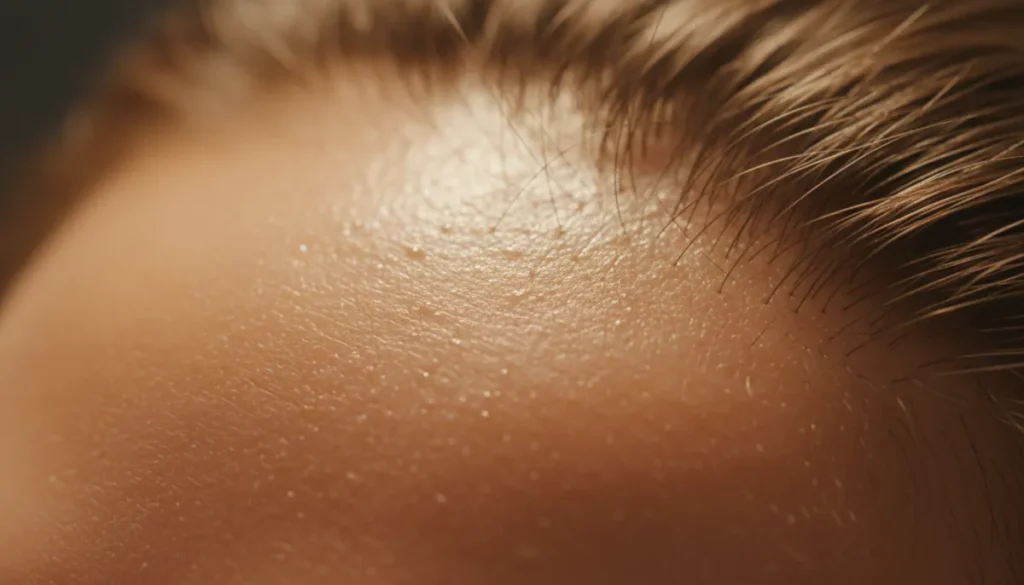
The scalp is a living ecosystem that requires proper hydration, a balanced pH, and protection from external stressors. When the scalp becomes dry or overly oily, the barrier function weakens, making it easier for dandruff and fungal growth to take hold. A dedicated scalp conditioner works differently from a regular hair conditioner; it targets the skin layer, delivering moisture and nutrients directly where they are needed.
Key functions of a scalp conditioner include:
- Restoring natural moisture to prevent dry scalp treatment problemen.
- Balancing sebum production, which helps control oiliness without stripping the scalp.
- Soothing inflammation caused by conditions such as seborrheic dermatitis or mild psoriasis.
- Creating a protective film that reduces friction from brushing and styling tools.
When you pair a suitable conditioner with a gentle anti‑dandruff shampoo, you create a synergistic effect that tackles flaking at its source. Many dermatologists recommend a routine that alternates between a cleansing shampoo and a nourishing conditioner to maintain optimal scalp health.
Key Ingredients to Look for in a Scalp Conditioner
Choosing the best scalp conditioner starts with understanding which ingredients deliver real benefits. Below is a list of proven components and what they contribute to scalp health.
| Ingredient | Benefit | Typical Sources |
|---|---|---|
| Tea Tree olie | Antifungal and soothing; helps reduce dandruff | Essential oil derived from Melaleuca alternifolia |
| Panthenol (Pro‑Vitamin B5) | Improves moisture retention and strengthens hair shafts | Vitamin B5 derivative |
| Salicylic Acid | Exfoliates dead skin cells, preventing buildup | Beta‑hydroxy acid, often in low concentrations for scalp |
| Aloe Vera Extract | Calms irritation and adds lightweight hydration | Plant gel from Aloe barbadensis |
| Niacinamide | Supports barrier function and reduces redness | Form of vitamin B3 |
When scanning product labels, prioritize conditioners that list these actives near the top, indicating a higher concentration. Avoid formulations heavy in silicones or sulfates if you have a sensitive scalp, as they can cause buildup and exacerbate dry scalp symptomen.
Top Recommended Scalp Conditioners for Different Needs
Below are curated options that meet the criteria for the best scalp conditioner across various concerns, from dandruff control to soothing a sensitive scalp.
- HydraCalm Scalp Therapy – Ideal for dry, flaky scalp; contains aloe vera, panthenol, and a light tea tree oil scent.
- BalancePro Anti‑Dandruff Conditioner – Formulated with salicylic acid and niacinamide; works well with medicated anti‑dandruff shampoos.
- SilkTouch Sensitive Scalp Conditioner – Fragrance‑free, rich in oat extract and ceramides; perfect for those with eczema‑prone skin.
- FreshFusion Oil‑Control Conditioner – Lightweight formula with zinc pyrithione and green tea; helps regulate excess sebum without drying.
- Gold City Custom Scalp Blend – Tailored by our specialists; combines your preferred actives for a personalized solution.
Each product can be paired with a suitable dry scalp treatment or anti‑dandruff shampoo for a comprehensive routine. For best results, apply the conditioner after washing, focusing on the scalp rather than the hair lengths, and leave it on for 2–3 minutes before rinsing.
How to Use a Scalp Conditioner Effectively
Even the most advanced formula will underperform if applied incorrectly. Follow these steps to maximize the benefits of your chosen scalp conditioner:
- Wash with a gentle shampoo – Use a mild, sulfate‑free shampoo to avoid stripping natural oils.
- Apply conditioner to the scalp – Dispense a small amount into your palm, then massage gently with fingertips in circular motions.
- Leave it on – Allow the conditioner to sit for 2–5 minutes; this gives active ingredients time to penetrate.
- Rinse with lukewarm water – Avoid hot water, which can dry the scalp further.
- Pat dry and style – Gently towel‑dry and proceed with your usual styling routine.
For those with severe dandruff, consider a weekly deep‑conditioning treatment combined with a medicated shampoo. Consistency is key: regular use (2–3 times per week) yields the most noticeable reduction in flakes and itchiness.
Common Mistakes and How to Avoid Them
Many people unintentionally sabotage their scalp care routine. Recognizing and correcting these errors can dramatically improve results.
- Over‑conditioning – Applying too much product can lead to buildup, making the scalp feel greasy and potentially worsening dandruff.
- Skipping the rinse – Residual conditioner can trap dead skin cells, creating an environment for fungal growth.
- Using a hair‑only conditioner on the scalp – Formulas designed for hair shafts often lack the soothing agents needed for skin.
- Neglecting a proper shampoo – Pairing a conditioner with a harsh, sulfated shampoo can strip moisture, negating the conditioner’s benefits.
- Ignoring underlying skin conditions – Persistent itching or flaking may signal psoriasis or eczema; professional evaluation is advised.
If you notice persistent irritation despite following a proper regimen, schedule a consultation with a dermatologist or a specialist at Gold City Medical Center. Tailored treatments, including prescription‑strength scalp therapies, may be necessary to restore balance.
Why Choose Gold City Medical Center
Gold City Medical Center combines medical expertise with aesthetic precision, offering integrative solutions for scalp health, beauty, and hair restoration. Our team of dermatologists and trichologists evaluates each client individually, ensuring that the recommended scalp conditioner aligns with your specific skin type, lifestyle, and any underlying conditions. With state‑of‑the‑art facilities and a commitment to evidence‑based care, we provide a trusted pathway to a healthier, flake‑free scalp.
Ready to transform your scalp health? Contact Gold City Medical Center today to schedule a personalized consultation and receive a custom scalp‑care plan tailored to your needs.
Take the first step toward a comfortable, dandruff‑free scalp—your hair will thank you.
FAQ
What are the benefits of using a scalp conditioner?
A scalp conditioner restores moisture, balances oil production, soothes irritation, and protects the skin from friction.
Which ingredients should I look for in a scalp conditioner?
Key ingredients include tea tree oil, panthenol, salicylic acid, aloe vera, and niacinamide.
How often should I apply a scalp conditioner?
Use a scalp conditioner 2–3 times per week, or as directed for specific scalp concerns.
Can a scalp conditioner help with dandruff?
Yes, especially when combined with an anti‑dandruff shampoo, it can reduce flaking and irritation.
What are common mistakes when using scalp conditioners?
Common errors include over‑conditioning, skipping the rinse, using hair‑only conditioners on the scalp, and pairing with harsh shampoos.
How does a scalp conditioner differ from a regular hair conditioner?
Scalp conditioners target the skin layer, while hair conditioners focus on the hair shaft.
When should I consult a dermatologist for scalp issues?
Seek professional advice if irritation, flaking, or itching persists despite proper care.





