Everyone who looks in the mirror hopes for an even, luminous complexion, yet many struggle with stubborn black dark spot remover challenges. These dark patches, often called hyperpigmentation, can appear on the face, hands, or other exposed areas, disrupting confidence and prompting countless questions about safe removal. In this guide we explore the science behind dark spots, the most reliable treatment options, and lifestyle habits that support lasting skin clarity.
Did you know that up to 30% of adults experience noticeable hyperpigmentation by age 40? The condition is not limited to any skin tone, but the contrast is especially evident on darker skin, making the need for targeted, gentle solutions critical. Understanding the root causes—from sun exposure to hormonal shifts—helps you select a removal method that works without aggravating the skin barrier.
Throughout the article we will discuss professional procedures offered at Gold City Medical Center, at‑home care routines, and evidence‑based ingredients that truly fade dark spots. Whether you are seeking a quick fix or a long‑term plan, the information below will empower you to make informed decisions for healthier, more radiant skin.
Understanding the Causes of Dark Spots
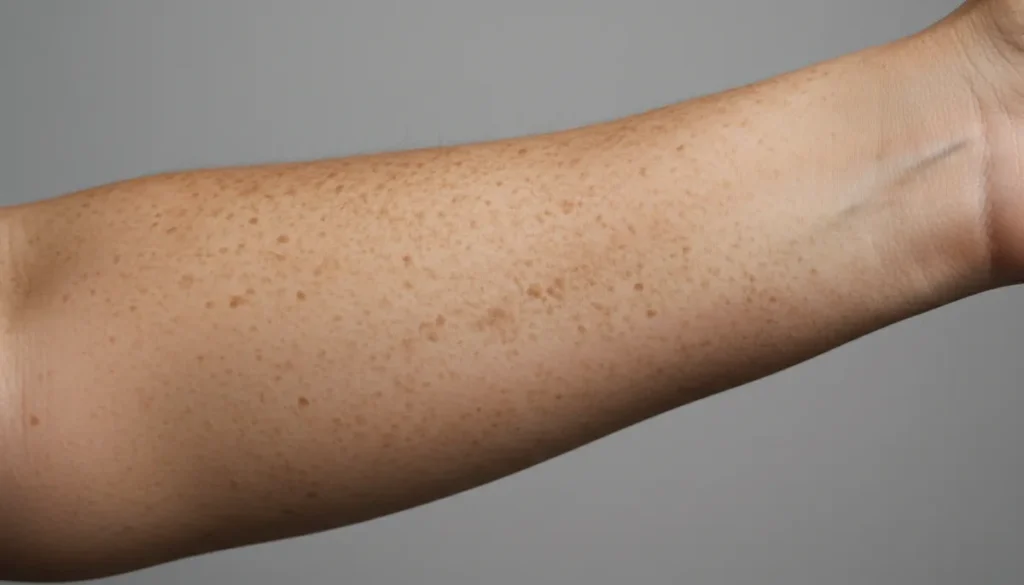
Before choosing any black dark spot remover product, it is essential to know why these marks form. The most common trigger is excess melanin production, often referred to as hyperpigmentation. Factors that stimulate melanin include ultraviolet (UV) radiation, inflammation from acne, hormonal fluctuations such as pregnancy or oral contraceptives, and certain medications.
Key Types of Pigmentation
- Melasma – large, irregular patches typically on the cheeks and forehead.
- Post‑inflammatory hyperpigmentation – dark spots left after acne lesions heal.
- Age spots (lentigines) – flat, brown to black spots that appear with sun exposure over time.
Genetics also play a role; individuals with darker skin tones may produce more melanin, which can increase the visibility of spots. However, the condition is treatable with both topical agents and in‑office procedures.
Topical Treatments: Ingredients That Work
When selecting a daily regimen, look for active ingredients that have been clinically proven to reduce melanin synthesis and promote skin turnover. Below is a comparison of the most effective compounds for a black dark spot remover routine.
| Ingredient | Mechanism | Typical Concentration | Best For |
|---|---|---|---|
| Hydroquinone | Inhibits tyrosinase, slowing melanin production | 2‑4% | Severe hyperpigmentation |
| Vitamin C (L‑ascorbic acid) | Antioxidant that brightens and protects against UV damage | 10‑20% | Early‑stage dark spots |
| Niacinamide | Reduces transfer of melanin to skin surface | 4‑5% | Sensitive skin |
| Azelaic Acid | Normalizes keratinization and lightens spots | 10‑15% | Acne‑related hyperpigmentation |
| Retinoids (Retinol, Tretinoin) | Accelerates cell turnover, fading existing spots | 0.05‑0.5% | Combination therapy |
For most patients, a combination of Vitamin C in the morning and a retinoid at night yields noticeable improvement within 8‑12 weeks. Always pair these actives with a broad‑spectrum sunscreen to prevent further melanin stimulation.
Professional Procedures: Fast and Long‑Lasting Results
For those seeking quicker outcomes, Gold City Medical Center offers several in‑office options that act as powerful black dark spot remover interventions. These procedures are performed by qualified dermatologists and are tailored to each patient’s skin type and pigmentation severity.
Lasertherapie
Fractional laser resurfacing targets melanin‑rich cells while stimulating collagen production. The treatment is especially effective for age spots and melasma. Typical sessions last 15‑30 minutes, with minimal downtime.
Chemische peelings
Medium‑strength peels containing glycolic acid or trichloroacetic acid (TCA) remove the outermost skin layers, revealing fresher, less pigmented tissue underneath. Multiple sessions may be required for deep discoloration.
Microneedling with Radiofrequency
This technique creates micro‑channels that allow topical agents, such as Vitamin C or tranexamic acid, to penetrate deeper, enhancing their efficacy. It also promotes overall skin rejuvenation.
Below is a quick guide to help you decide which professional option aligns with your goals.
- Lasertherapie – Best for precise, fast fading of isolated spots.
- Chemische peelings – Ideal for broader areas with moderate discoloration.
- Microneedling + RF – Suitable for combination treatment and skin texture improvement.
Natural and Home Remedies: Safe Options for Sensitive Skin
While clinical procedures deliver rapid results, many prefer gentle, at‑home alternatives. Natural remedies can complement medical treatments, especially for those with sensitive skin or those who wish to avoid aggressive chemicals.
Ingredient Spotlight: Licorice Extract
Licorice contains glabridin, which inhibits tyrosinase and reduces melanin formation. A 0.5‑1% licorice serum applied twice daily can gradually lighten dark spots without irritation.
DIY Mask: Turmeric and Yogurt
Turmeric’s curcumin has anti‑inflammatory properties, while yogurt’s lactic acid gently exfoliates. Mix one teaspoon of turmeric powder with two tablespoons of plain yogurt, apply for 10‑15 minutes, then rinse. Use 2‑3 times per week.
Other effective natural agents include:
- Apple cider vinegar – mild acid that fades pigmentation.
- Green tea extract – antioxidant that protects against UV‑induced melanin.
- Vitamin E oil – supports skin healing and barrier function.
Remember, natural does not mean risk‑free. Patch‑test any new mixture and discontinue use if irritation occurs.
Prevention Strategies: Protecting Your Skin Long‑Term
Eliminating existing spots is only half the battle; preventing new ones is equally important. Consistent preventive habits can dramatically reduce the recurrence of hyperpigmentation.
Sunscreen Essentials
Broad‑spectrum sunscreen with SPF 30 or higher should be applied every morning, even on cloudy days. Reapply every two hours when outdoors. Look for formulas containing zinc oxide or titanium dioxide for physical protection.
Lifestyle Adjustments
- Limit direct sun exposure, especially between 10 am and 4 pm.
- Wear protective clothing, wide‑brim hats, and sunglasses.
- Maintain a balanced diet rich in antioxidants (berries, leafy greens).
- Avoid smoking, which accelerates skin aging and pigmentation.
Regular skin examinations with a dermatologist can catch early signs of discoloration, allowing timely intervention before spots become entrenched.
Why Choose Gold City Medical Center
Gold City Medical Center combines cutting‑edge dermatological expertise with a holistic approach to skin health. Our team of board‑certified specialists offers personalized treatment plans, integrating medical‑grade lasers, customized chemical peels, and evidence‑based topical regimens. We prioritize patient safety, using the latest technology to minimize downtime while delivering visible results. Whether you seek a quick spot‑fade or a comprehensive skin‑rejuvenation program, our integrative clinic ensures you receive the highest standard of care in a welcoming environment.
Ready to reclaim a clear, radiant complexion? Book a consultation with our skin experts today and discover a tailored plan that fits your lifestyle.
Contact Gold City Medical Center now to schedule your appointment and start your journey toward flawless skin.
FAQ
What causes black dark spots on the skin?
Black dark spots, or hyperpigmentation, are caused by excess melanin production triggered by UV exposure, inflammation, hormonal changes, and certain medications.
Which ingredients are most effective for fading dark spots?
Clinically proven actives include hydroquinone, vitamin C, niacinamide, azelaic acid, and retinoids, each working through different melanin‑inhibiting pathways.
How do laser therapy and chemical peels work to remove hyperpigmentation?
Laser therapy targets melanin‑rich cells while stimulating collagen, and chemical peels remove pigmented surface layers to reveal fresher skin underneath.
Are there natural home remedies that can safely lighten dark spots?
Yes, ingredients like licorice extract, turmeric, yogurt, apple cider vinegar, green tea, and vitamin E can help fade spots when used correctly.
How can I prevent new dark spots from forming?
Consistent sun protection, lifestyle habits, and regular dermatologist visits are key to preventing hyperpigmentation.





