When anxiety spikes, breathing exercises for anxiety can become a simple yet powerful tool to calm the nervous system. In this article we explore how controlled breathwork helps lower stress hormones, improve focus, and restore a sense of safety. Over 14,800 people search each month for ways to manage anxiety through breath, highlighting a growing interest in non‑pharmaceutical options.
We’ll guide you through the science behind breath and emotion, present step‑by‑step methods such as box breathing and 4‑7‑8 breathing, and show how to weave these practices into a busy lifestyle. Whether you’re experiencing occasional worry or chronic anxiety, mastering these techniques can empower you to regain control in moments of overwhelm.
By the end of this guide you’ll have a toolkit of evidence‑based breathing strategies, know when professional support may be needed, and understand how Gold City Medical Center integrates breathwork into its holistic care programs.
Understanding Anxiety and the Role of Breath
Anxiety triggers a “fight‑or‑flight” response, releasing adrenaline and cortisol that accelerate heart rate and shallow breathing. This rapid, shallow pattern reduces oxygen intake and reinforces feelings of panic. By intentionally slowing the breath, you activate the parasympathetic nervous system, which counteracts stress signals and promotes relaxation.
Research shows that mindful breathing can decrease cortisol levels by up to 30% within minutes. The practice works by lengthening the exhalation, which signals the brain to release calming neurotransmitters such as GABA. Over time, regular breathwork trains the body to default to a calmer state, even during unexpected stressors.
- Physiological impact: Slower breathing lowers heart rate and blood pressure.
- Neurological effect: Enhances activity in the prefrontal cortex, improving emotional regulation.
- Psychological benefit: Provides an immediate sense of agency, reducing feelings of helplessness.
Understanding this connection helps you appreciate why deep breathing exercises are recommended by clinicians for anxiety management. Below we introduce the most effective techniques, each backed by clinical evidence and easy to practice anywhere.
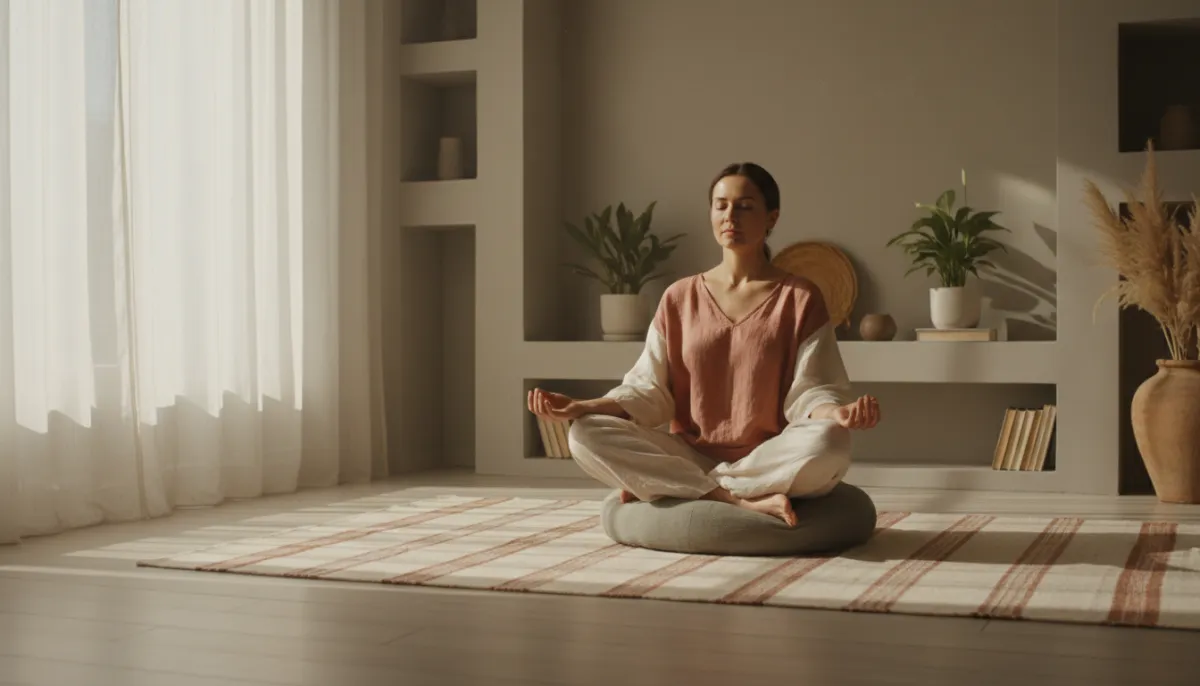
Core Breathing Techniques You Can Start Today
Several structured breathing methods have proven effective for anxiety relief. Below is a concise guide to three of the most popular approaches, each with a brief description, step‑by‑step instructions, and ideal usage scenarios.
| Technique | Pattern (Inhale‑Hold‑Exhale‑Hold) | Duration | Best For |
|---|---|---|---|
| Box Breathing | 4‑4‑4‑4 seconds | 2‑5 minutes | Acute panic attacks, high‑stress moments |
| 4‑7‑8 Breathing | 4‑7‑8 seconds | 5‑10 minutes | Sleep preparation, chronic anxiety |
| Diafragmatische ademhaling | Deep inhale (6‑8 secs), gentle exhale (6‑8 secs) | 5‑15 minutes | Daily stress reduction, long‑term practice |
Box Breathing (Square Breath)
Also known as the “box breathing technique,” this method involves four equal phases: inhale, hold, exhale, and hold, each lasting four seconds. It is frequently used by athletes and first responders to regain composure.
- Find a comfortable seated position with a straight spine.
- Inhale slowly through the nose for a count of four.
- Hold the breath for a count of four.
- Exhale gently through the mouth for a count of four.
- Hold again for a count of four, then repeat.
Practicing box breathing for just two minutes can lower heart rate and provide an immediate sense of control during anxiety spikes.
4‑7‑8 Breathing (Relaxing Breath)
The 4‑7‑8 technique, popularized by Dr. Andrew Weil, emphasizes a longer exhalation to activate the vagus nerve. This method is especially useful before bedtime to reduce racing thoughts.
- Place the tip of your tongue against the roof of your mouth.
- Exhale completely through your mouth, making a soft whoosh sound.
- Close your mouth and inhale quietly through the nose for a count of four.
- Hold the breath for a count of seven.
- Exhale through the mouth for a count of eight.
- Repeat the cycle three to four times.
Because the exhale is longer than the inhale, the body receives a clear signal to relax, making it an effective tool for both acute anxiety and insomnia.
Diaphragmatic (Abdominal) Breathing
Diaphragmatic breathing focuses on engaging the diaphragm, allowing the lungs to fill more fully. This technique is foundational for many other breathwork practices.
- Lie on your back with one hand on your chest and the other on your abdomen.
- Breathe in slowly through the nose, feeling the abdomen rise while the chest stays relatively still.
- Exhale gently through pursed lips, allowing the abdomen to fall.
- Maintain a smooth, steady rhythm for several minutes.
Regular practice strengthens the diaphragm, improves oxygen exchange, and reduces the tendency to breathe shallowly during stress.
Integrating Breathwork into Your Daily Routine
Consistency is key to reaping the long‑term benefits of breathwork. Below are practical strategies to embed these exercises into everyday activities without disrupting your schedule.
- Morning Reset: Start the day with three cycles of diaphragmatic breathing while still in bed.
- Work‑Break Boost: Use a 2‑minute box breathing session before a meeting or after checking email.
- Evening Wind‑Down: Perform 4‑7‑8 breathing while dimming lights to signal the body it’s time to sleep.
- On‑the‑Go Calm: Practice “5‑minute deep breathing” during a commute by inhaling through the nose and exhaling through the mouth.
Pairing breathwork with other relaxation methods—such as gentle stretching, mindfulness meditation, or listening to calming music—can amplify its effects. For example, a short “breathing and meditation for stress” session before lunch can lower blood pressure and improve focus for the afternoon.
When to Seek Professional Guidance
While breathing exercises are safe for most individuals, certain situations warrant professional support. If anxiety interferes with daily functioning, persists despite self‑help strategies, or is accompanied by panic attacks, consider consulting a mental‑health specialist.
Gold City Medical Center offers integrative programs that combine breathwork with evidence‑based therapies such as cognitive‑behavioral therapy (CBT) and medication management when appropriate. Our clinicians can tailor a plan that respects your preferences, whether you prefer a purely non‑pharmacological approach or a blended model.
| Signs You May Need Professional Help | Recommended Services at Gold City Medical Center |
|---|---|
| Persistent anxiety lasting more than six months | Comprehensive anxiety assessment, CBT, and personalized breathwork coaching |
| Frequent panic attacks or severe physical symptoms | Medical evaluation, possible medication review, guided relaxation techniques |
| Difficulty sleeping despite bedtime breathing practices | Sleep clinic referral, 4‑7‑8 breathing integration, sleep hygiene counseling |
Early intervention can prevent the escalation of anxiety into more serious conditions such as depression or chronic stress‑related illnesses. Our multidisciplinary team ensures that breathwork is incorporated safely within a broader health strategy.
Additional Tips for Maximizing Breathwork Benefits
Beyond the core techniques, small adjustments can make your practice more effective.
- Posture Matters: Keep the spine upright to allow full lung expansion.
- Environment: Choose a quiet space with minimal distractions; soft ambient sounds can enhance focus.
- Consistency Over Duration: Short, daily sessions are more beneficial than occasional long sessions.
- Mindful Awareness: Notice sensations in the body during each breath to deepen the mind‑body connection.
- Combine with Physical Activity: Gentle yoga or walking while practicing rhythmic breathing can improve cardiovascular health.
Integrating these habits with the previously described techniques creates a robust, sustainable routine that supports mental resilience and overall wellbeing.
Why Choose Gold City Medical Center
Gold City Medical Center delivers integrative healthcare that blends modern medicine with holistic practices, including personalized breathwork programs. Our multidisciplinary team—comprising physicians, psychologists, and certified breathwork coaches—ensures that each client receives a tailored plan that aligns with their health goals. Whether you seek anxiety relief, beauty treatments, or hair restoration, our evidence‑based approach prioritizes safety, effectiveness, and patient empowerment.
Ready to experience calmer days and clearer thoughts? Contact Gold City Medical Center today to schedule a consultation and start your personalized breathwork journey.
Take the first step toward lasting anxiety relief—call us or visit our clinic now.
FAQ
What are the best breathing techniques for anxiety?
Box breathing, 4‑7‑8 breathing, and diaphragmatic breathing are the most effective techniques for reducing anxiety quickly.
How does controlled breathing affect stress hormones?
Controlled breathing can lower cortisol levels by up to 30% within minutes, reducing overall stress.
Can I use breathing exercises without professional help?
Yes, most breathing exercises are safe to practice on your own, but professional guidance is recommended for severe or persistent anxiety.
How often should I practice breathwork to see results?
Short, daily sessions (2‑5 minutes) are more effective than occasional longer sessions.
What role does posture play in effective breathing?
An upright spine allows full lung expansion, making breathing exercises more efficient.
How can I combine breathwork with other relaxation methods?
Pair breathing exercises with gentle stretching, mindfulness meditation, or calming music for amplified effects.





