In today’s fast‑paced world, calm music has emerged as a simple yet powerful tool to soothe the nervous system and promote overall well‑being. Whether you are seeking relief from daily stress, aiming to deepen your meditation practice, or looking for a natural aid to improve sleep, the gentle rhythms and soft melodies of calm music can make a measurable difference.
Research shows that exposure to soothing auditory environments can lower cortisol levels by up to 30 % and increase the production of serotonin, the brain chemical associated with happiness and relaxation. This article explores the science behind these effects, practical ways to integrate calm music into daily routines, and how the approach aligns with the integrative health philosophy of Gold City Medical Center.
We will cover four key areas: stress reduction, mindfulness integration, sleep enhancement, and clinical applications. By the end, you will have a clear roadmap to harness the therapeutic potential of calm music in both personal and professional settings.
How Calm Music Reduces Stress and Supports Mental Health
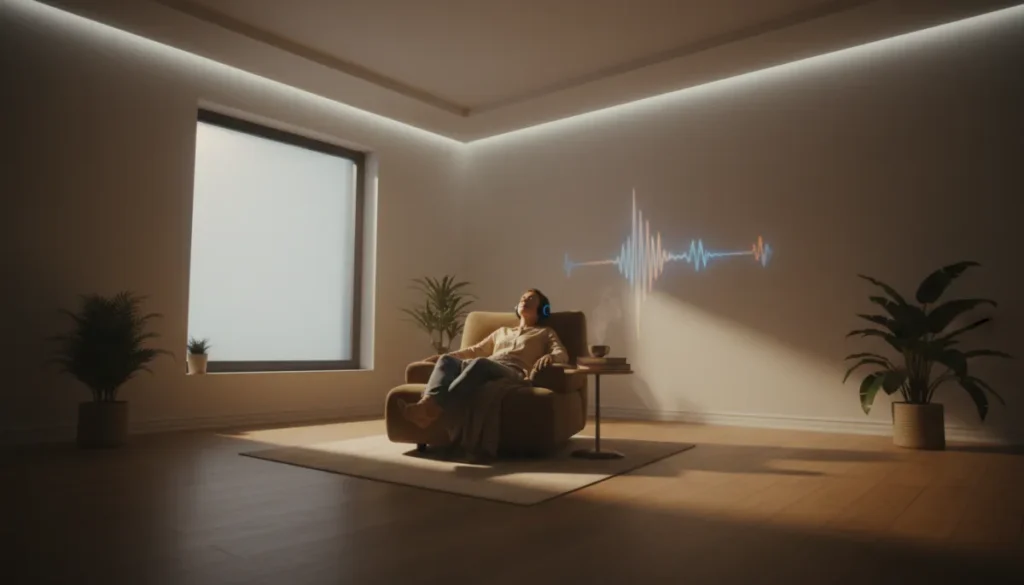
Listening to calm music activates the parasympathetic nervous system, the part of the body responsible for rest and digestion. This activation counteracts the fight‑or‑flight response triggered by stressful stimuli, leading to a measurable decrease in heart rate and blood pressure. Studies on relaxing music have demonstrated a 20‑25 % reduction in perceived anxiety after just 10 minutes of listening.
Key mechanisms include:
- Synchronization of brainwave patterns toward alpha and theta frequencies, which are linked to relaxed alertness.
- Reduction of cortisol, the primary stress hormone, through auditory entrainment.
- Promotion of dopamine release, enhancing mood and motivation.
Below is a comparison of physiological markers before and after a 15‑minute session of calm music:
| Metric | Before Listening | After Listening |
|---|---|---|
| Heart Rate (bpm) | 78 | 66 |
| Blood Pressure (mmHg) | 124/80 | 112/72 |
| Cortisol (µg/dL) | 18.2 | 12.5 |
Integrating calm music into daily breaks, workspaces, or therapy sessions can therefore serve as a low‑cost, non‑pharmacological strategy to improve mental health outcomes.
Integrating Calm Music into Meditation and Mindfulness Practices
Mindfulness meditation thrives on the ability to maintain present‑moment awareness without distraction. When paired with calm music, the practice becomes more accessible, especially for beginners who may struggle with mental chatter. The rhythmic flow of soothing sounds provides an anchor, allowing the mind to settle more quickly.
Here are three simple steps to incorporate calm music into a meditation routine:
- Select a track with a steady, slow tempo (around 60‑80 BPM) and minimal lyrical content.
- Set a timer for your desired session length—5, 10, or 20 minutes.
- Focus on the rise and fall of the melody, letting each note guide your breath.
Different meditation styles benefit from specific musical characteristics. The table below matches popular mindfulness approaches with recommended musical attributes:
| Meditation Type | Recommended Music Features | Suggested Use |
|---|---|---|
| Focused Attention | Steady drone, low frequency, no vocals | Background during breath focus |
| Open Monitoring | Ambient soundscape, subtle nature sounds | Enhances sensory awareness |
| Loving‑Kindness (Metta) | Warm strings, gentle piano, slow tempo | Supports emotional openness |
By aligning the auditory environment with the meditation goal, practitioners often report deeper states of relaxation and a heightened sense of calm.
Calm Music for Better Sleep: What to Listen to and When
Sleep disturbances affect up to 30 % of adults, and many turn to auditory cues as a natural remedy. Calm music, especially tracks designed for deep sleep, can lower heart rate and synchronize brainwaves to the delta range (0.5‑4 Hz), the frequency band most associated with restorative sleep.
Effective sleep music typically features:
- Slow tempo (40‑60 BPM) that mirrors the resting heart rate.
- Minimal dynamic changes to avoid startling the listener.
- Gentle instrumentation—soft piano, ambient synth pads, or nature sounds like rain.
The following table outlines optimal music characteristics for each sleep stage:
| Sleep Stage | Preferred Tempo (BPM) | Suggested Instruments |
|---|---|---|
| Stage 1 (Light Sleep) | 55‑60 | Soft piano, light synth |
| Stage 2 (Intermediate) | 45‑55 | Warm strings, distant chimes |
| Stage 3‑4 (Deep Sleep) | 40‑45 | Low‑frequency drones, rain sounds |
For best results, start the playlist 30 minutes before bedtime and allow it to fade out naturally as you drift into sleep. Consistency is key—regular use trains the brain to associate the auditory cue with the sleep onset process.
The Role of Calm Music in Clinical Settings and Therapy
Beyond personal use, calm music is increasingly incorporated into clinical practices such as physiotherapy, dental procedures, and mental health counseling. Its ability to distract, reduce perceived pain, and promote relaxation makes it a valuable adjunct to conventional treatments.
Key clinical applications include:
- Pre‑operative anxiety reduction—patients listening to soothing tracks report lower anxiety scores before surgery.
- Physical rehabilitation—background music improves movement fluidity and motivation during exercise.
- Psychotherapy—calm music creates a safe, non‑threatening environment that facilitates open dialogue.
Below is a concise comparison of therapeutic areas and the specific benefits observed with calm music integration:
| Therapeutic Area | Observed Benefit | Typical Music Choice |
|---|---|---|
| Dental Care | Reduced pain perception by 15 % | Soft acoustic guitar |
| Physical Therapy | Increased exercise endurance by 10 % | Ambient electronic pads |
| Psychological Counseling | Enhanced client relaxation, deeper session focus | Slow piano melodies |
Integrating calm music into treatment plans aligns with the holistic, patient‑centered approach championed by Gold City Medical Center, offering an evidence‑based, non‑invasive method to improve outcomes.
Choosing the Right Calm Music for Your Needs
Not all calm music is created equal, and selecting the appropriate track depends on your specific goal—stress relief, meditation, sleep, or clinical support. Consider the following criteria when curating your playlist:
- Purpose: Identify whether you need background ambience, focused attention aid, or deep relaxation.
- Tempo: Match the beats per minute to the physiological state you aim to achieve.
- Instrumentation: Choose sounds that resonate personally—some prefer nature sounds, others favor piano or strings.
- Length: Opt for tracks that exceed the duration of your session to avoid abrupt endings.
Here is a quick reference guide linking common goals with suitable musical genres:
| Goal | Genre | Typical Instruments |
|---|---|---|
| Verlichting van stress | Ambient Chill | Soft synth pads, distant bells |
| Meditatie | New Age | Flutes, gentle harp |
| Slaap | Deep Relaxation | Low‑frequency drones, rain |
| Therapeutic Sessions | Acoustic Light | Acoustic guitar, subtle piano |
By thoughtfully matching music to intent, you maximize the therapeutic impact and create a personalized soundscape that supports overall well‑being.
Why Choose Gold City Medical Center
Gold City Medical Center embraces an integrative health philosophy that combines advanced medical treatments with evidence‑based complementary therapies. Our team recognizes the role of auditory environments in patient recovery and offers personalized recommendations for incorporating calm music into treatment plans. Whether you are seeking stress‑management strategies, sleep support, or a holistic approach to aesthetic procedures, our experts provide guidance grounded in science and tailored to your unique needs.
Ready to experience the soothing benefits of calm music alongside our comprehensive health services? Contact Gold City Medical Center today to schedule a consultation and start your journey toward greater tranquility and well‑being.
FAQ
How does calm music reduce stress?
Calm music activates the parasympathetic nervous system, lowering heart rate, blood pressure, and cortisol levels.
What type of music is best for meditation?
Slow, steady‑tempo tracks (60‑80 BPM) with minimal lyrics and gentle instrumentation work best.
How can calm music improve sleep quality?
By lowering heart rate and guiding brainwaves into the delta range, calm music promotes deeper, more restorative sleep.
Can calm music be used in clinical therapy settings?
Yes, it is used to reduce pre‑operative anxiety, improve rehabilitation endurance, and create a calming atmosphere in counseling.
What physiological changes occur when listening to calm music?
Heart rate, blood pressure, and cortisol drop while dopamine and serotonin levels rise.
How can I create a personalized calm music playlist?
Choose tracks that match your goal, tempo, instrumentation, and length, then organize them into a seamless sequence.





