Many people wonder whether can not washing hair cause hair loss and if infrequent shampooing could be the hidden culprit behind thinning strands. While proper hygiene is essential for a healthy scalp, the relationship between washing frequency and hair loss is more nuanced than a simple cause‑and‑effect. In this article we will examine the science behind scalp health, identify the real factors that lead to hair shedding, and provide practical guidance for maintaining strong, vibrant hair without over‑washing.
Hair loss affects roughly 30 % of the global population at some point in their lives, with both men and women experiencing varying degrees of thinning. Understanding whether a lack of washing contributes to this issue is crucial for anyone seeking to prevent further hair loss or to address existing concerns.
We will explore the role of sebum, scalp micro‑flora, and mechanical stress, compare common hair‑loss triggers, and debunk myths that often circulate online. By the end, you’ll have a clear picture of how washing habits fit into the broader picture of hair health and what steps you can take to protect your follicles.
How Hygiene Affects Scalp Health
The scalp is a dynamic ecosystem where oil production, sweat, and environmental pollutants interact. Sebum, the natural oil produced by sebaceous glands, protects hair shafts and maintains moisture balance. However, when sebum accumulates excessively, it can create an environment conducive to bacterial and fungal overgrowth, potentially leading to inflammation that weakens hair follicles.
Research indicates that an imbalance in scalp micro‑flora can accelerate hair shedding, especially in individuals predisposed to alopecia or alopecia androgenetica. Regular cleansing helps to regulate sebum levels, but the optimal frequency varies per person. For some, washing every day may strip essential oils, while for others, washing only once a week might allow buildup that irritates the scalp.
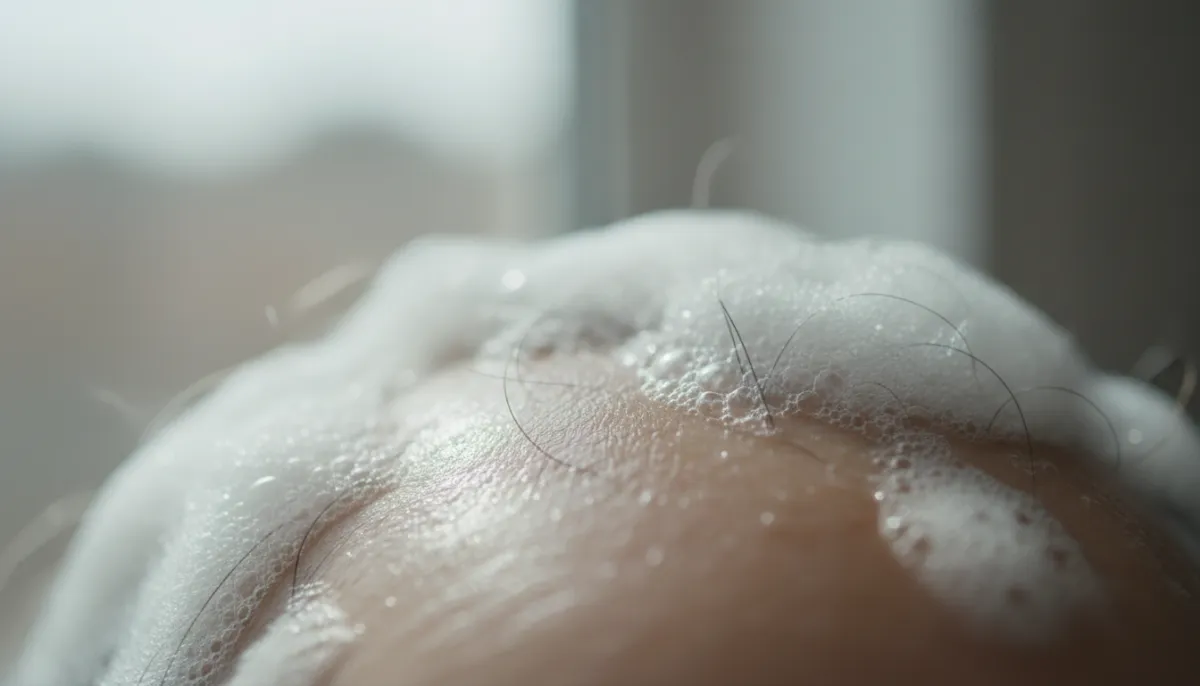
Below is a simple comparison of washing frequencies and their typical impact on scalp health:
| Washing Frequency | Potential Benefits | Possible Drawbacks |
|---|---|---|
| Daily | Removes excess oil, reduces dandruff risk | May dry out hair, cause irritation in sensitive scalps |
| Every 2‑3 days | Balances oil, maintains natural moisture | Requires monitoring for buildup in oily types |
| Once a week | Preserves natural oils for dry hair | Higher chance of sebum accumulation, possible follicle inflammation |
While the question “can not washing hair cause hair loss” surfaces frequently, the key is to match cleaning routines to your scalp’s unique needs rather than adhering to a one‑size‑fits‑all schedule.
Common Causes of Hair Loss Beyond Washing Frequency
Hair shedding is rarely linked to a single habit. Numerous factors contribute to hair loss, and understanding them helps to contextualize the role of washing practices. Below are the most prevalent causes:
- Genetic predisposition: Male pattern baldness and female pattern thinning are largely hereditary.
- Hormonal changes: Pregnancy, menopause, thyroid disorders, and elevated DHT levels can trigger shedding.
- Nutritional deficiencies: Lack of iron, zinc, vitamin D, or protein weakens hair follicles.
- Medical conditions: Autoimmune disorders such as alopecia areata, scalp infections, and chronic illnesses.
- Stress and lifestyle: Physical or emotional stress, poor sleep, and smoking accelerate hair loss.
- Mechanical damage: Tight hairstyles, excessive brushing, and harsh chemical treatments cause traction alopecia.
While inadequate washing can exacerbate scalp irritation, it is typically not the primary driver of hair loss. For individuals experiencing sudden thinning, a comprehensive evaluation that includes hormonal panels, nutritional testing, and scalp analysis is recommended.
The table below outlines how each factor may interact with washing habits:
| Cause | Interaction with Washing Frequency | Impact on Hair Loss |
|---|---|---|
| Genetica | Minimal; washing does not alter genetic predisposition | Progressive thinning over years |
| Hormonaal | Excessive washing may aggravate sensitive scalp during hormonal shifts | Accelerated shedding during puberty, pregnancy, menopause |
| Nutritional | Irrelevant; diet dictates follicle health | Diffuse thinning across scalp |
| Stress | Stress‑related scalp tension can be worsened by tight hairstyles, not washing | Telogen effluvium episodes |
Thus, while the primary question remains relevant, the broader landscape of hair loss underscores the importance of a holistic approach that includes medical assessment, nutrition, and gentle scalp care.
When Not Washing Hair Can Contribute to Hair Problems
Even though the phrase “can not washing hair cause hair loss” is often overstated, there are specific scenarios where infrequent washing can indeed aggravate hair conditions. The following situations illustrate when reduced cleansing may become a risk factor:
Excess Sebum Production
Individuals with oily scalps produce higher levels of sebum. When hair is not washed regularly, the excess oil can trap dirt and pollutants, leading to follicular blockage. This blockage can cause inflammation, which may accelerate hair shedding, especially in those already prone to alopecia or hair thinning.
Scalp Conditions
Conditions such as seborrheic dermatitis, psoriasis, or fungal infections thrive in moist, oil‑rich environments. Infrequent washing can allow these conditions to worsen, resulting in itching, flaking, and secondary hair loss.
Environmental Exposure
People who work outdoors, exercise heavily, or live in polluted areas expose their scalp to sweat, dust, and UV radiation. Without regular cleansing, these external factors can combine with natural oils, creating a breeding ground for microbes that may irritate hair follicles.
- High sweat → increased moisture → fungal growth
- Dust & pollutants → clogged pores → follicle inflammation
- UV exposure → scalp dryness → brittleness
In these contexts, the answer to “can not washing hair cause hair loss” leans toward yes, but only as a contributing factor rather than a sole cause. Addressing the underlying scalp condition, adjusting washing frequency, and using appropriate medicated shampoos can mitigate the risk.
Myths and Misconceptions About Hair Washing and Alopecia
Many myths circulate online, often blurring the line between factual information and speculation. Below are common misconceptions and the evidence that clarifies them:
- Myth: Not washing hair for weeks will make you bald.
- Fact: Extended periods without washing can lead to scalp irritation, but permanent baldness typically requires genetic or medical factors.
- Myth: Daily shampooing always damages hair.
- Fact: Gentle, sulfate‑free shampoos can cleanse daily without harming hair, especially for those with oily scalps.
- Myth: Shampoo can cure alopecia.
- Fact: While medicated shampoos can manage dandruff and inflammation, they do not reverse genetic hair loss.
Understanding these myths helps patients avoid unnecessary anxiety and focus on evidence‑based strategies. For example, individuals with traction alopecia benefit more from changing hairstyles than from altering washing frequency.
Ultimately, the belief that “can not washing hair cause hair loss” oversimplifies a complex issue. A nuanced approach—considering scalp type, lifestyle, and medical background—yields the best outcomes.
Practical Tips for Maintaining a Healthy Scalp Without Over‑Washing
Whether you wash daily or weekly, the goal is to keep the scalp clean while preserving its natural protective barrier. Here are actionable recommendations:
- Choose the right shampoo: Opt for sulfate‑free, pH‑balanced formulas that suit your scalp type.
- Use a gentle massage: Lightly massage the scalp for 30 seconds to stimulate circulation without excessive friction.
- Incorporate conditioner wisely: Apply conditioner only to the mid‑lengths and ends to avoid weighing down the roots.
- Schedule scalp treatments: Periodic use of clarifying masks or anti‑dandruff solutions can manage oil buildup.
- Maintain a balanced diet: Ensure adequate intake of iron, omega‑3 fatty acids, and protein to support follicle health.
- Limit heat styling: Excessive heat can damage hair shafts and increase breakage.
- Protect from UV: Wear hats or use scalp‑friendly sunscreen when exposed to strong sunlight.
Below is a quick reference chart for a personalized washing schedule:
| Scalp Type | Suggested Washing Frequency | Recommended Products |
|---|---|---|
| Oily | Every 1‑2 days | Sulfate‑free clarifying shampoo |
| Normal | Every 3‑4 days | Balanced pH shampoo |
| Dry | Every 5‑7 days | Moisturizing, oil‑rich shampoo |
By aligning your routine with these guidelines, you can address the concerns raised by the question “can not washing hair cause hair loss” while fostering a resilient, healthy scalp.
Why Choose Gold City Medical Center
Gold City Medical Center offers an integrative approach that combines medical expertise with advanced cosmetic solutions. Our team of dermatologists, trichologists, and hair‑restoration specialists provides personalized assessments, evidence‑based treatments, and state‑of‑the‑art hair transplant procedures. Whether you are dealing with early‑stage thinning or seeking a comprehensive hair‑loss solution, our clinic delivers safe, effective care tailored to your unique needs.
Ready to take control of your hair health? Contact Gold City Medical Center today to schedule a personalized scalp assessment and discover the optimal care plan for you.
Call us at +31 20 123 4567 or fill out our online consultation form to start your journey toward stronger, fuller hair.
FAQ
Can not washing hair cause hair loss?
Infrequent washing can contribute to hair loss when it leads to excess sebum, scalp inflammation, or worsens existing scalp conditions, but it is rarely the sole cause.
How often should I wash my hair to maintain scalp health?
The optimal washing frequency varies by scalp type; oily scalps may benefit from washing every 1‑2 days, normal scalps every 3‑4 days, and dry scalps every 5‑7 days.
What role does sebum play in hair loss?
Sebum protects hair but excessive buildup can clog follicles, cause inflammation, and accelerate shedding, especially in oily scalps.
Which common causes of hair loss are unrelated to washing frequency?
Genetics, hormonal shifts, nutritional deficiencies, medical conditions, stress, and mechanical damage are major hair‑loss factors that operate independently of how often you wash your hair.
What are common myths about hair washing and alopecia?
Myths include that never washing makes you bald, daily shampoo always damages hair, and shampoo can cure alopecia; facts show washing frequency is a personal balance and shampoos only manage symptoms.





