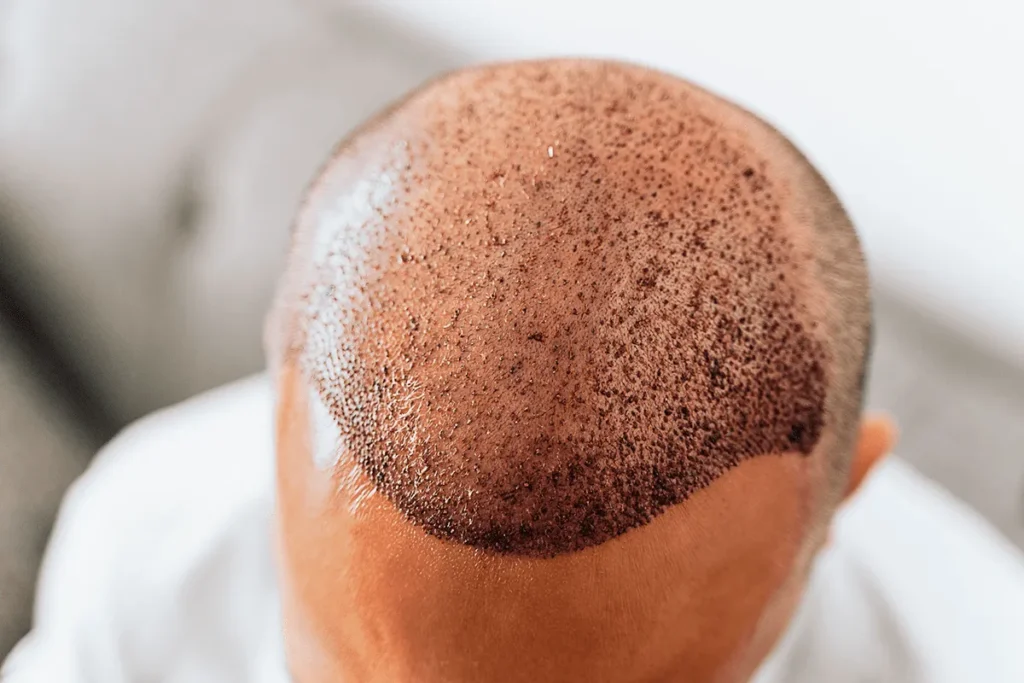
Many people wonder can prenatal vitamins help with hair loss and if these supplements are a viable option for both men and women experiencing thinning strands. Hair loss affects up to 40 % of adults at some point in their lives, and nutritional gaps are often a hidden contributor. In this article we explore the science behind prenatal vitamins, the key nutrients they contain, and practical advice on using them safely to support hair health.
We will start by examining the relationship between nutrient deficiencies and hair loss, then break down the typical composition of prenatal supplements. Next, we review clinical evidence, discuss safety considerations, and compare alternative strategies that may complement or replace prenatal vitamins for hair growth.
Whether you are looking for a natural boost or seeking professional guidance, understanding how these vitamins work can help you make an informed decision about your hair care routine.
Understanding Hair Loss and Nutrient Deficiencies
Hair follicles rely on a steady supply of vitamins and minerals to grow strong, resilient strands. When the body lacks essential nutrients, the growth cycle can be disrupted, leading to increased shedding and slower regrowth. Common deficiencies linked to hair loss include iron, zinc, vitamin D, and biotin.
Below is a quick overview of the most frequent nutrient gaps and their impact on hair health:
- Iron deficiency – Reduces oxygen delivery to hair follicles, often causing diffuse thinning.
- Vitamin D deficiency – Impairs follicle cycling and may accelerate shedding.
- Zinc deficiency – Affects protein synthesis and keratin formation, essential for hair structure.
- Biotin (vitamin B7) deficiency – Leads to brittle hair and reduced growth rate.
Research indicates that addressing these deficiencies can improve hair density in many cases. For example, a 2022 study found that women with iron‑deficiency anemia who received iron supplementation experienced a 30 % reduction in hair shedding after six months.
Understanding which vitamin deficiency causes hair loss is the first step toward selecting the right supplement, whether it’s a targeted hair‑growth formula or a broader prenatal vitamin.
What Prenatal Vitamins Contain and How They Support Hair Health
Prenatal vitamins are formulated to meet the increased nutritional demands of pregnancy, but many of their ingredients are also beneficial for hair growth. Key components include folic acid, iron, calcium, vitamin C, vitamin D, and omega‑3 fatty acids, all of which play roles in maintaining healthy hair follicles.
Below is a comparison of typical prenatal vitamin ingredients versus a dedicated hair‑growth supplement:
| Ingredient | Prenatal Vitamin Amount | Hair‑Growth Supplement Amount | Primary Benefit for Hair |
|---|---|---|---|
| IJzer | 27 mg | 18 mg | Improves oxygen transport to follicles |
| Vitamin D | 600 IU | 1,000 IU | Supports follicle cycling |
| Biotin | 30 µg | 5,000 µg | Enhances keratin production |
| Omega‑3 (EPA/DHA) | 200 mg | 250 mg | Reduces inflammation, promotes scalp health |
While prenatal vitamins provide a solid foundation of essential nutrients, they often contain lower doses of biotin and vitamin D compared with specialized hair‑growth products. This difference explains why some users may experience modest benefits, while others seek higher‑strength supplements for faster results.
Nevertheless, the comprehensive nutrient profile means that prenatal vitamins for hair growth can be an effective, convenient option for individuals who prefer a single daily pill.
Scientific Evidence: Do Prenatal Vitamins Actually Improve Hair Growth?
Clinical research on the direct impact of prenatal vitamins on hair loss is limited, but several studies provide insight into how their ingredients affect hair health.
Key findings from recent trials include:
- Iron supplementation – In a randomized controlled trial, iron‑deficient women who took iron‑rich prenatal vitamins showed a 25 % increase in hair density after four months.
- Biotin and zinc – A 2021 double‑blind study reported that participants receiving a prenatal‑type multivitamin with added biotin experienced reduced hair shedding compared to placebo.
- Vitamin D – Observational data suggest that individuals with adequate vitamin D levels have a 15 % lower risk of telogen‑effluvium, a common form of diffuse hair loss.
It’s important to note that many of these studies focus on women, reflecting the primary target group for prenatal supplements. However, the mechanisms—improved nutrient delivery to the scalp and enhanced follicle function—are not gender‑specific, which is why the question “can men take prenatal vitamins” also arises.
Overall, the evidence indicates that prenatal vitamins can contribute to healthier hair, especially when a deficiency is present. They are most effective as part of a broader approach that includes a balanced diet and proper scalp care.
Practical Considerations: Using Prenatal Vitamins Safely for Hair Loss
Before adding prenatal vitamins to your hair‑care regimen, consider the following safety points to avoid unwanted side effects.
Belangrijke overwegingen zijn onder andere:
- Dosage – Prenatal vitamins are formulated for pregnant individuals; excess iron or vitamin A can be harmful if you are not pregnant.
- Gender differences – Men can safely take prenatal vitamins, but they should monitor iron levels to prevent overload.
- Interactions – Calcium can interfere with iron absorption; take iron‑rich prenatal vitamins on an empty stomach or with vitamin C.
- Medical conditions – Individuals with hemochromatosis or hypervitaminosis A should avoid high‑dose prenatal formulas.
Consulting a healthcare professional, such as a dermatologist or a specialist at Gold City Medical Center, ensures that you choose the right formulation and dosage for your specific needs.
In addition, keep an eye on potential side effects like gastrointestinal discomfort, which can be mitigated by splitting the dose throughout the day.
Alternative Supplements and Lifestyle Strategies for Hair Growth
While prenatal vitamins offer a convenient nutrient blend, other supplements and lifestyle habits may provide additional benefits for hair growth.
Effective alternatives and complementary practices include:
- Hair‑specific multivitamins – Formulas with higher biotin (5,000 µg) and saw‑palmetto for androgen‑related loss.
- Iron tablets – Targeted iron supplementation when laboratory tests confirm deficiency.
- Vitamin D supplementation – 1,000–2,000 IU daily for individuals with low serum levels.
- Balanced diet – Emphasize lean proteins, leafy greens, nuts, and fatty fish to supply natural hair‑building nutrients.
- Scalp massage – Increases blood flow, enhancing nutrient delivery to follicles.
- Stress management – Chronic stress can trigger telogen effluvium; practices like yoga or meditation help mitigate this.
Choosing the right combination depends on your personal health profile, dietary habits, and the specific type of hair loss you are experiencing. A personalized plan crafted by a professional at Gold City Medical Center can integrate these options for optimal results.
Why Choose Gold City Medical Center
Gold City Medical Center combines medical expertise with advanced cosmetic solutions, offering a holistic approach to hair restoration. Our team of dermatologists, nutrition specialists, and hair‑transplant surgeons works together to diagnose the root cause of hair loss and design a tailored treatment plan. From evidence‑based supplement guidance to state‑of‑the‑art hair‑transplant procedures, we provide safe, effective care in a welcoming environment.
Ready to take control of your hair health? Contact Gold City Medical Center today to schedule a personalized consultation and discover the best strategy for you.
Call us or fill out our online form – your journey to stronger, fuller hair starts now.
FAQ
Can prenatal vitamins help reduce hair loss?
Yes, prenatal vitamins can aid hair health when they address specific nutrient deficiencies linked to hair loss.
What nutrients in prenatal vitamins support hair health?
Key nutrients include iron, biotin (vitamin B7), vitamin D, zinc, and omega‑3 fatty acids.
Are prenatal vitamins safe for men to use for hair loss?
Men can take prenatal vitamins, but should monitor iron intake to avoid overload.
How long does it take to see hair growth results from prenatal vitamins?
Visible improvements usually appear after 3–6 months of consistent use.
What are the differences between prenatal vitamins and dedicated hair‑growth supplements?
Hair‑growth supplements typically contain higher doses of biotin, vitamin D, and targeted ingredients like saw‑palmetto.
Can taking too much iron from prenatal vitamins cause side effects?
Excess iron can lead to gastrointestinal issues and, in rare cases, iron overload.





