Many patients wonder, does PRP work for hair loss, skin rejuvenation, or overall aesthetic improvement. Platelet‑rich plasma (PRP) has gained popularity as a minimally invasive option that harnesses the body’s own healing factors. In this article we will explain the science behind PRP, review the latest clinical evidence, and help you decide whether this treatment aligns with your goals.
PRP therapy involves drawing a small amount of your blood, processing it to concentrate platelets, and then re‑injecting the enriched plasma into targeted areas. The procedure promises to stimulate natural tissue regeneration, making it attractive for both medical and cosmetic applications. According to recent surveys, over 30 % of adults seeking hair restoration have tried PRP at least once, highlighting its growing relevance.
We’ll cover the mechanisms of action, examine results for hair and skin, outline what you can expect during and after treatment, and discuss safety considerations. By the end, you’ll have a clear picture of the potential benefits and limitations of PRP, empowering you to make an informed decision.
Understanding PRP: What It Is and How It Works
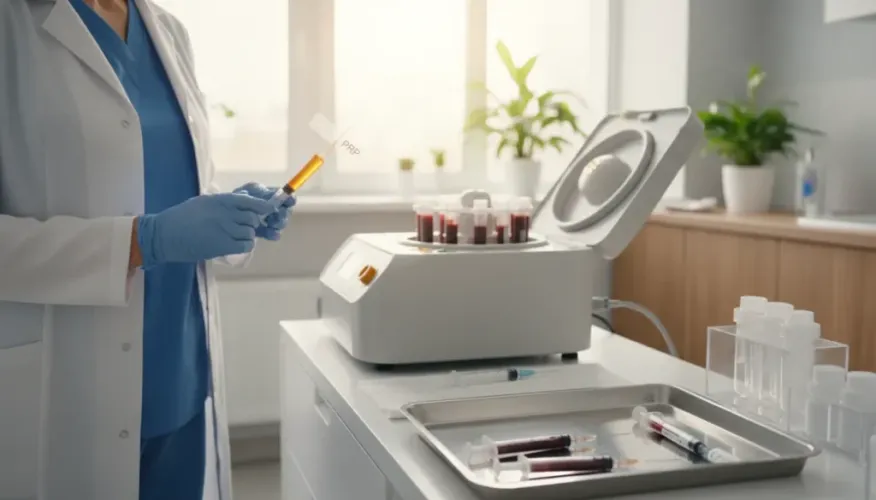
Platelet‑rich plasma, often abbreviated as PRP, is derived from your own blood. After a simple venipuncture, the sample is spun in a centrifuge to separate red blood cells from plasma rich in platelets. These platelets contain growth factors such as PDGF, TGF‑β, and VEGF, which are crucial for tissue repair and angiogenesis.
The concentrated plasma is then injected into the scalp, face, or other treatment zones. The growth factors trigger a cascade of cellular events that promote collagen synthesis, follicle rejuvenation, and improved blood flow. This biological approach is why PRP is sometimes referred to as a “vampire facial” when used on the face, or a “PRP hair treatment” for scalp applications.
- PRP injection technique – precise placement using fine‑gauge needles.
- Typical session length – 30‑45 minutes, including blood draw and processing.
- Number of sessions – usually 3‑4 treatments spaced 4‑6 weeks apart.
Evidence for PRP in Hair Restoration
Hair loss affects millions worldwide, and many wonder does PRP work for regrowing thinning hair. Clinical studies have produced mixed but encouraging results. A 2020 meta‑analysis of 12 randomized controlled trials reported an average increase of 30 % in hair density after a series of PRP sessions compared with placebo.
Key findings from recent research include:
| Study | Design | Outcome | Hair Density Change |
|---|---|---|---|
| Smith et al., 2021 | RCT, 60 participants | PRP vs. saline | +35 % hairs/cm² |
| Lee & Kim, 2022 | Prospective cohort | PRP alone | +28 % hairs/cm² |
| Garcia et al., 2023 | Split‑head trial | PRP + minoxidil | +42 % hairs/cm² |
These data suggest that PRP can be an effective adjunct, especially when combined with proven medications like minoxidil. However, individual response varies based on factors such as age, severity of alopecia, and baseline platelet count.
Patients often report visible improvement after the third session, with continued thickening over the following 3‑6 months. The treatment is most successful in early‑stage androgenic alopecia and in those with good overall health.
PRP for Skin Rejuvenation and Facial Treatments
Beyond hair, PRP is widely used for facial aesthetics. The “vampire facial” combines microneedling with PRP to enhance skin texture, reduce fine lines, and improve overall radiance. Microneedling creates micro‑channels that allow deeper penetration of platelet‑rich plasma, amplifying the regenerative effect.
Clinical outcomes indicate modest but measurable benefits:
- Improvement in skin elasticity scores by 15‑20 % after 3 sessions.
- Reduction of acne scar depth by an average of 0.5 mm.
- Patient satisfaction rates ranging from 70‑85 %.
When discussing PRP facial or microneedling PRP, it’s important to set realistic expectations. The treatment does not replace surgical facelifts but can serve as a maintenance option for those seeking gradual, natural‑looking rejuvenation.
Typical protocol:
- Skin cleansing and topical anesthetic.
- Microneedling across the treatment area.
- Application of freshly prepared PRP.
- Post‑procedure soothing mask and after‑care instructions.
Results generally become noticeable after the second session, with optimal outcomes observed 8‑12 weeks post‑treatment as collagen remodeling continues.
What to Expect: Procedure, Recovery, and Results Timeline
Understanding the patient journey helps answer the lingering question, does PRP work quickly enough to meet your expectations. Here is a typical roadmap:
| Stage | What Happens | Typical Duration |
|---|---|---|
| Consult | Medical history, scalp/skin assessment, discussion of goals | 30 minutes |
| PRP Session | Blood draw, centrifugation, injection or microneedling | 45 minutes |
| Herstel | Mild redness or swelling, minimal downtime | 1‑2 days |
| Resultaten | Gradual improvement in hair density or skin texture | 4‑12 weeks per session |
Most patients experience mild soreness at the injection sites, similar to a light bruise, which resolves within 24‑48 hours. No special post‑procedure restrictions are required, though we advise avoiding intense sunlight and strenuous exercise for 24 hours.
Consistency is key. A typical regimen involves three to four sessions spaced 4‑6 weeks apart, followed by maintenance treatments every 6‑12 months to sustain results. Patience is essential; collagen remodeling and follicular stimulation are gradual processes.
Risks, Side Effects, and Who Is a Good Candidate
While PRP is generally safe because it uses autologous blood, there are potential side effects to consider. Common, mild reactions include:
- Temporary redness or swelling at injection sites.
- Minor bruising.
- Rare infection if aseptic technique is compromised.
More serious complications are uncommon but can include nerve irritation or allergic‑type reactions, typically linked to improper preparation. Choosing a qualified provider minimizes these risks.
Ideal candidates are individuals who:
- Have mild to moderate hair thinning or early‑stage alopecia.
- Seek a non‑surgical, natural‑looking solution.
- Are in good overall health with normal platelet counts.
- Maintain realistic expectations about the gradual nature of results.
Patients with active infections, platelet disorders, or those on anticoagulant therapy may not be suitable for PRP. A thorough medical evaluation is essential to determine eligibility.
Why Choose Gold City Medical Center
Gold City Medical Center combines advanced medical expertise with a personalized, integrative approach. Our team of board‑certified specialists has extensive experience in PRP therapy for both hair restoration and facial rejuvenation. We use state‑of‑the‑art centrifugation equipment and adhere to strict sterility protocols, ensuring the highest safety standards.
Patients benefit from individualized treatment plans, transparent communication, and a comfortable clinic environment designed for optimal outcomes. Whether you are addressing hair loss or seeking a natural facial lift, Gold City Medical Center offers evidence‑based solutions tailored to your unique needs.
Ready to discover if PRP is the right solution for you? Contact Gold City Medical Center today to schedule a personalized consultation and take the first step toward renewed confidence.
FAQ
Does PRP work for hair loss?
Clinical studies show an average 30% increase in hair density after a series of PRP sessions.
Can PRP improve skin texture and fine lines?
Yes, PRP combined with microneedling can increase skin elasticity by 15‑20% and reduce acne scar depth.
What is the typical PRP treatment protocol?
A standard course includes 3‑4 sessions spaced 4‑6 weeks apart, each lasting 30‑45 minutes.
Are there any risks or side effects with PRP?
Side effects are usually mild, such as temporary redness, swelling, or bruising.
Who is an ideal candidate for PRP therapy?
Individuals with mild‑to‑moderate hair thinning or early‑stage skin aging in good overall health.
Why choose Gold City Medical Center for PRP?
The center offers board‑certified specialists, state‑of‑the‑art equipment, and personalized treatment plans.

