Many people ask what are causes of hair fall and search for answers that can stop the shedding. Hair loss is a common concern that affects both men and women, often leading to reduced confidence and a desire for effective treatment. In fact, studies show that up to 50 % of men and 40 % of women experience noticeable thinning by the age of 35. This article breaks down the most frequent reasons behind hair shedding, explains how each factor works, and highlights practical steps you can take.
We will explore genetic predispositions, hormonal shifts, lifestyle habits, medical conditions, scalp health, and age‑related changes. By understanding the underlying mechanisms, you can identify which factors apply to you and discuss targeted solutions with a qualified specialist.
Whether you are dealing with a sudden increase in shedding or gradual thinning, recognizing the root cause is the first step toward restoring a fuller, healthier head of hair.
Hormonale en genetische factoren
Genetics play a pivotal role in hair density, and the most well‑known hereditary condition is alopecia androgenetica, commonly referred to as male or female pattern baldness. This type of hair loss is driven by the hormone dihydrotestosterone (DHT), which miniaturizes hair follicles over time.
Androgenetic Alopecia (Male and Female Pattern)
In men, the condition typically begins with a receding hairline and thinning at the crown, while women often notice diffuse thinning across the top of the scalp. Both sexes experience a gradual shortening of the hair growth phase, leading to finer, shorter hairs.
Thyroid and Hormonal Imbalance
Thyroid disorders, such as hypothyroidism and hyperthyroidism, can disrupt the normal hair cycle, causing diffuse shedding. Additionally, hormonal fluctuations during pregnancy, menopause, and the use of oral contraceptives may trigger temporary hair loss.
- Elevated DHT levels
- Low thyroid hormone (T3/T4)
- Estrogen decline during menopause
- Pregnancy‑related hormonal shifts
| Condition | Typical Pattern | Primary Hormone Involved |
|---|---|---|
| Male Pattern Baldness | Receding hairline, crown thinning | DHT |
| Female Pattern Baldness | Diffuse top‑scalp thinning | DHT, estrogen |
| Thyroid‑Related Hair Loss | Generalized shedding | Thyroid hormones |
Understanding these hormonal and genetic drivers clarifies why many individuals wonder what are causes of hair fall and helps clinicians tailor treatments such as DHT blockers, hormone therapy, or topical minoxidil.
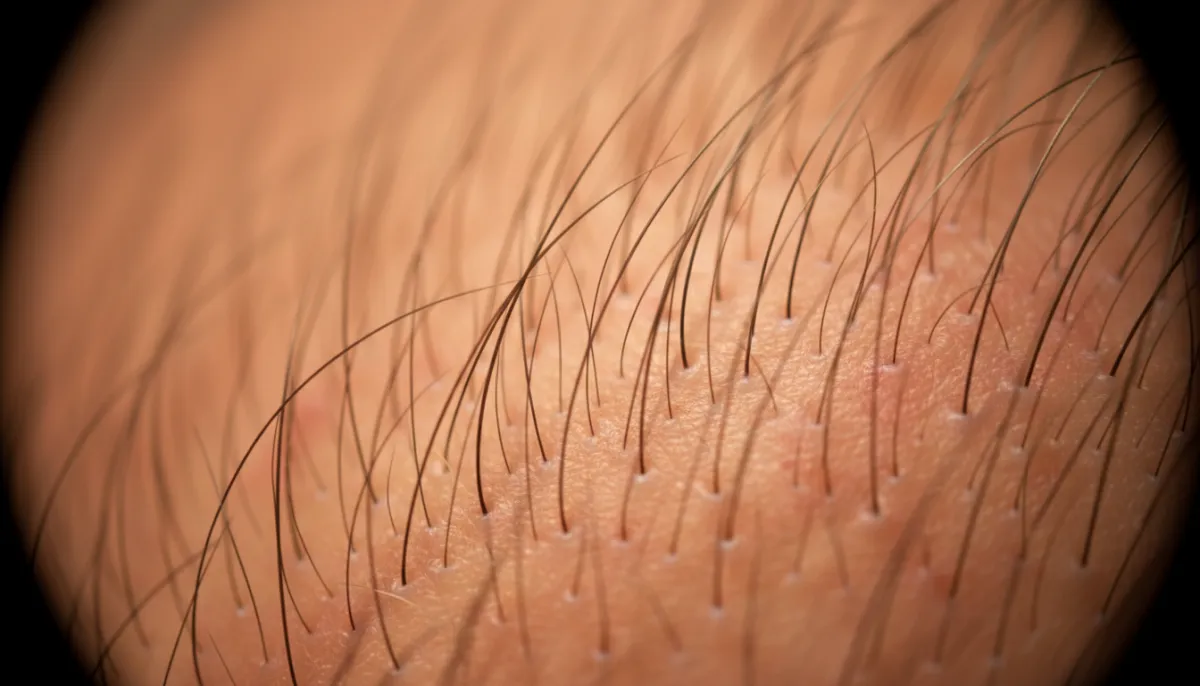
Triggers door levensstijl en omgeving
Even with a strong genetic background, everyday habits can accelerate shedding. Poor nutrition, chronic stress, and harsh hairstyling practices are frequent culprits that people ask about when they wonder what are causes of hair fall.
Stress and Nutrition
High cortisol levels from prolonged stress push hair follicles into the telogen (resting) phase, a condition known as telogen effluvium. Simultaneously, deficiencies in iron, zinc, biotin, and protein limit the building blocks needed for robust hair growth.
Hairstyling Practices
Repeated tension from tight ponytails, braids, or extensions can cause traction alopecia, a form of hair loss that appears as localized bald spots. Over‑use of heat tools and harsh chemicals also damages the cuticle, leading to breakage and thinning.
- Chronic psychological stress
- Iron‑deficient diet
- Tight hairstyles (braids, buns)
- Frequent heat styling
| Trigger | Effect on Hair | Typical Timeline |
|---|---|---|
| Stress (telogen effluvium) | Diffuse shedding | 2–4 months after stress |
| Iron deficiency | Thinning, especially on the scalp | Weeks to months |
| Traction alopecia | Localized bald spots | Months of constant tension |
Addressing lifestyle factors—improving diet, managing stress, and adopting gentle hair care—can significantly reduce the frequency of hair fall and answer the recurring question of what are causes of hair fall.
Medical Conditions and Medications
Underlying health issues and certain drugs are often overlooked when people ask what are causes of hair fall. Autoimmune disorders, systemic illnesses, and prescription medications can all disrupt the hair growth cycle.
Autoimmune Disorders (Alopecia Areata)
Alopecia areata is an autoimmune condition where the immune system attacks hair follicles, leading to sudden, patchy hair loss. While the exact trigger is unknown, it is frequently associated with other autoimmune diseases such as thyroiditis or vitiligo.
Medications and Treatments
Common culprits include chemotherapy, anticoagulants, beta‑blockers, and retinoids. Even over‑the‑counter supplements with high vitamin A can cause shedding if taken in excess.
- Chemotherapy agents
- Anticoagulants (e.g., warfarin)
- Beta‑blockers
- High‑dose vitamin A
| Medication | Hair Loss Type | Reversibility |
|---|---|---|
| Chemotherapy | Diffuse shedding | Often reversible after treatment |
| Beta‑blockers | Telogen effluvium | Improves after discontinuation |
| Retinoids | Hair thinning | May improve with dosage adjustment |
Identifying medication‑related hair loss is essential for clinicians to adjust dosages or switch therapies, providing a clear answer to the question of what are causes of hair fall for many patients.
Scalp Health and External Factors
Beyond internal biology, the condition of the scalp itself can precipitate shedding. Infections, inflammation, and environmental pollutants are frequent answers to what are causes of hair fall that people encounter.
Infections and Dandruff
Fungal infections such as Malassezia overgrowth cause seborrheic dermatitis, leading to itching, flaking, and secondary hair loss. Bacterial folliculitis can also weaken follicles, resulting in patchy thinning.
Pollution and UV Exposure
Airborne pollutants deposit particulate matter on the scalp, clogging pores and generating oxidative stress. Prolonged UV radiation damages the cuticle and depletes natural oils, making hair more fragile.
- Seborrheic dermatitis
- Bacterial folliculitis
- Air pollution particles
- UV‑induced oxidative damage
| External Factor | Scalp Impact | Visible Result |
|---|---|---|
| Fungal infection | Inflammation, excess oil | Flaking, localized loss |
| Air pollution | Clogged follicles | General thinning |
| UV exposure | Oxidative damage | Breakage, brittleness |
Maintaining a clean, protected scalp—through medicated shampoos, antioxidant‑rich hair care, and sun protection—helps mitigate these external contributors and directly answers the lingering query of what are causes of hair fall.
Age‑Related Changes
As we age, the hair follicle undergoes natural transformations that can lead to thinning, even without other risk factors. This is another common answer to what are causes of hair fall among older adults.
Reduced Follicle Activity
With advancing age, the anagen (growth) phase shortens, and the proportion of follicles in the telogen phase rises. The result is finer hair and a lower overall hair count.
Decreased Sebum Production
Older skin produces less sebum, reducing the natural lubrication that protects hair shafts. This can make hair more susceptible to breakage and environmental damage.
- Shortened growth phase
- Higher telogen ratio
- Lower sebum output
- Increased brittleness
| Age Range | Typical Hair Changes | Underlying Mechanism |
|---|---|---|
| 30‑40 | Early thinning, especially at temples | Onset of androgenetic alopecia |
| 50‑60 | Generalized fine hair | Reduced anagen phase |
| 70+ | Significant reduction in density | Follicle miniaturization & low sebum |
While aging is inevitable, understanding its impact equips you to seek interventions—such as low‑level laser therapy, platelet‑rich plasma, or nutritional support—that can preserve hair volume and address the question of what are causes of hair fall in later life.
Why Choose Gold City Medical Center
Gold City Medical Center combines advanced diagnostics with personalized treatment plans for hair loss. Our integrative approach blends medical expertise, cutting‑edge hair‑transplant techniques, and evidence‑based cosmetic solutions. With a dedicated team of dermatologists, trichologists, and hair‑restoration surgeons, we ensure each patient receives a comprehensive evaluation and a tailored protocol that addresses the specific cause of their hair fall.
Our state‑of‑the‑art clinic offers options ranging from DHT‑blocking therapies and nutritional counseling to follicular unit extraction (FUE) and platelet‑rich plasma (PRP) sessions. By focusing on both the underlying cause and the aesthetic outcome, we help you regain confidence and a natural‑looking hairline.
Ready to uncover the root cause of your hair loss and start a personalized treatment plan? Contact Gold City Medical Center today to schedule a comprehensive hair health assessment and take the first step toward fuller, healthier hair.
FAQ
What are the most common genetic causes of hair loss?
The primary genetic cause is androgenetic alopecia, also known as male or female pattern baldness, driven by DHT.
How do hormones like DHT affect hair thinning?
DHT shortens the growth phase of hair follicles, causing them to produce thinner, shorter hairs.
Can stress cause hair loss and how long does it take to recover?
Yes, chronic stress can trigger telogen effluvium, leading to diffuse shedding that typically appears 2–4 months after the stressor.
Which medications are known to cause hair shedding?
Common culprits include chemotherapy, beta‑blockers, anticoagulants, retinoids, and high‑dose vitamin A supplements.
How does scalp health influence hair loss?
Inflammation, infections, and environmental damage to the scalp can weaken follicles and lead to shedding.
What lifestyle changes can reduce hair fall?
Improving nutrition, managing stress, and avoiding tight hairstyles or excessive heat can significantly lower shedding.
At what age does hair thinning typically begin?
Early signs can appear in the 30s, with more noticeable thinning in the 40s and 50s.
How can thyroid disorders lead to hair loss?
Both hypothyroidism and hyperthyroidism disrupt the hair cycle, causing diffuse shedding.





