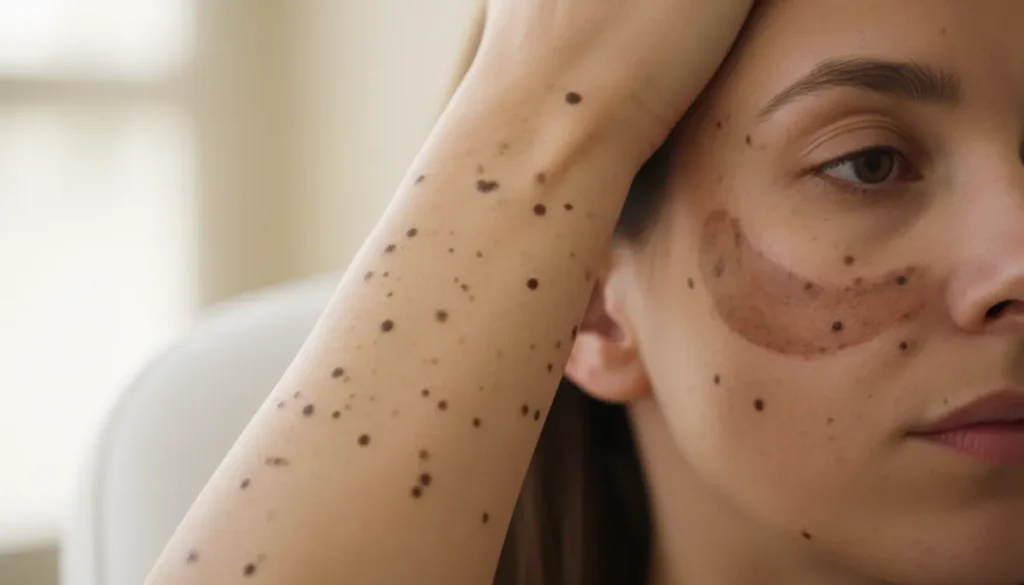
Dark spots are a common skin concern that affect people of all ages and skin types. They appear as uneven patches of color, ranging from light brown to deep black, and can be caused by a variety of factors including sun exposure, hormonal changes, and skin inflammation. Recognizing the underlying reasons for these discolorations is the first step toward effective management.
According to dermatological studies, up to 70% of adults notice some form of hyperpigmentation by the age of 40, making it one of the most prevalent cosmetic issues worldwide. Whether you refer to them as liver spots, age spots, or sun spots, the impact on confidence and self‑esteem can be significant.
This article will explore the science behind dark spots, outline practical prevention strategies, and review the most reliable treatment options available at Gold City Medical Center. By the end, you will have a clear roadmap to achieve a more even skin tone and maintain long‑term skin health.
What Causes Dark Spots? Exploring the Underlying Factors
Understanding why dark spots develop helps you choose the right prevention and treatment plan. The most common triggers include:
- Excessive ultraviolet (UV) radiation from sun exposure, leading to increased melanin production.
- Hormonal fluctuations, such as those occurring during pregnancy or with oral contraceptives, often result in melasma.
- Inflammatory skin conditions, including acne or eczema, which leave post‑inflammatory hyperpigmentation.
- Genetic predisposition, where certain skin types are more prone to developing lentigines.
These factors can interact, amplifying the appearance of pigmentation. For instance, a person with a family history of liver spots who also spends a lot of time outdoors without protection is at higher risk.
Below is a comparison of the most frequent types of dark spots, highlighting their typical locations and triggers.
| Type | Common Location | Primary Trigger |
|---|---|---|
| Solar lentigo (age spots) | Face, hands, shoulders | Chronic sun exposure |
| Melasma | Cheeks, upper lip, forehead | Hormonale veranderingen |
| Post‑inflammatory hyperpigmentation | Anywhere acne or injury occurs | Ontsteking |
| Liver spots (senile lentigo) | Back of hands, forearms | Aging + sun exposure |
Prevention Strategies: Protecting Your Skin from Hyperpigmentation
Prevention is always more effective—and less costly—than treating established pigmentation. The cornerstone of any prevention routine is diligent sun protection.
Daily Sunscreen Use
Choose a broad‑spectrum sunscreen with an SPF of 30 or higher. Apply it generously to all exposed areas each morning, and reapply every two hours when outdoors. Look for formulations containing zinc oxide or titanium dioxide for physical protection, which are less likely to cause irritation.
Supplementary Protective Measures
- Wear wide‑brimmed hats and UV‑protective clothing.
- Seek shade during peak sun hours (10 am–4 pm).
- Use antioxidants such as vitamin C serum to neutralize free radicals.
In addition to external protection, internal factors play a role. Maintaining a balanced diet rich in antioxidants—berries, leafy greens, and nuts—supports skin resilience. Hydration also assists in the skin’s natural repair processes.
For those already experiencing early signs of hyperpigmentation, incorporating gentle exfoliation 2–3 times per week can accelerate cell turnover, helping to fade existing spots faster.
Professional Treatments: Options Available at Gold City Medical Center
When home care is insufficient, professional interventions can deliver faster and more noticeable results. Gold City Medical Center offers a range of evidence‑based treatments tailored to the severity and type of dark spots.
Lasertherapie
Fractional laser resurfacing targets melanin clusters with precise microbeams, breaking down pigment while stimulating collagen production. This method is especially effective for solar lentigo and melasma, offering results after 2–3 sessions.
Intense Pulsed Light (IPL)
IPL uses broad spectrum light to heat and disperse pigment particles. It is ideal for treating sun spots and early signs of liver spots. Patients typically notice improvement after 4–6 treatments spaced a few weeks apart.
Chemische peelings
Glycolic acid or trichloroacetic acid (TCA) peels gently remove the top layers of skin, encouraging the growth of new, evenly pigmented cells. These peels are suitable for post‑inflammatory hyperpigmentation and can be combined with topical agents for enhanced effect.
The table below outlines the key benefits and considerations for each professional option.
| Behandeling | Ideal For | Number of Sessions | Recovery Time |
|---|---|---|---|
| Fractional Laser | Solar lentigo, melasma | 2–3 | 2–5 days of mild redness |
| IPL | Sun spots, early liver spots | 4–6 | 1–2 days of mild swelling |
| Chemical Peel | Post‑inflammatory hyperpigmentation | 1–4 | 3–7 days of peeling |
Home Care Products: Topical Solutions to Lighten Dark Spots
For many patients, a well‑chosen topical regimen can complement professional procedures or serve as a standalone approach for mild discoloration. Effective ingredients include:
- Hydroquinone – the gold standard for melanin inhibition, used in concentrations up to 2% over‑the‑counter.
- Vitamin C – an antioxidant that interferes with melanin synthesis and brightens skin.
- Niacinamide – reduces pigment transfer and improves barrier function.
- Retinoids – accelerate cell turnover, revealing fresher skin underneath.
When selecting a product, look for formulations that are fragrance‑free and suited to your skin type to avoid irritation, which can worsen hyperpigmentation. Consistency is key; most agents require 8–12 weeks of regular use before noticeable fading occurs.
Below is a quick guide to match the right ingredient with your specific concern.
| Concern | Best Ingredient | Typical Usage |
|---|---|---|
| Sun spots | Hydroquinone | Apply nightly for 8–12 weeks |
| Post‑acne marks | Niacinamide | Morning and evening |
| Overall dullness | Vitamine C | Morning, under sunscreen |
| Stubborn melasma | Retinoids | Every other night, under dermatologist supervision |
Why Choose Gold City Medical Center
Gold City Medical Center combines cutting‑edge technology with a holistic approach to skin health. Our team of board‑certified dermatologists and aesthetic specialists tailors each treatment plan to the individual’s skin type, lifestyle, and aesthetic goals. From advanced laser systems to personalized skincare regimens, we ensure safe, effective outcomes that enhance confidence and wellbeing.
Our integrative care model also means you can access complementary services—such as nutritional counseling and wellness therapies—under one roof, supporting lasting skin improvement from the inside out.
Ready to say goodbye to dark spots? Contact Gold City Medical Center today to schedule a personalized skin assessment and discover the most effective treatment pathway for you.
Take the first step toward clearer, radiant skin—call us or visit our clinic for a complimentary consultation.
FAQ
What are the main causes of dark spots?
Dark spots are caused by UV exposure, hormonal changes, inflammation, and genetics.
Hoe kan ik voorkomen dat er donkere vlekken ontstaan?
Consistent sun protection, antioxidants, and gentle exfoliation are key prevention methods.
Which professional treatments are most effective for dark spots?
Laser therapy, IPL, and chemical peels are the leading clinical options.
What topical ingredients help lighten dark spots at home?
Hydroquinone, vitamin C, niacinamide, and retinoids are the most effective ingredients.
Hoe lang duurt het voordat je resultaat ziet van de behandeling van pigmentvlekken?
Results vary: home products need 8–12 weeks, while professional procedures show changes in weeks to months.
Are there any side effects of laser therapy for hyperpigmentation?
Common side effects include mild redness, swelling, and temporary darkening of treated areas.
Can lifestyle changes improve the appearance of dark spots?
Yes, diet, hydration, and sun‑safe habits can enhance skin health and reduce pigmentation.





