In today’s fast‑paced world, achieving calming calming moments can feel like an elusive goal. This article explores practical methods to foster a sustained sense of calm, drawing on evidence‑based mental health exercises, soothing soundscapes, and simple lifestyle adjustments. According to recent research, more than 70 % of adults report feeling stressed on a daily basis, highlighting the urgent need for reliable relaxation tools.
We will examine the science behind relaxation, introduce everyday practices such as meditation and guided breathing, and reveal how calming music can enhance sleep quality. Whether you are seeking immediate relief from anxiety or long‑term strategies to improve emotional balance, the insights shared here are designed to empower you to create a tranquil inner environment.
By integrating these techniques into your routine, you can nurture a deeper, lasting sense of calm that supports both mental and physical health.
Understanding Calm: The Science Behind Relaxation
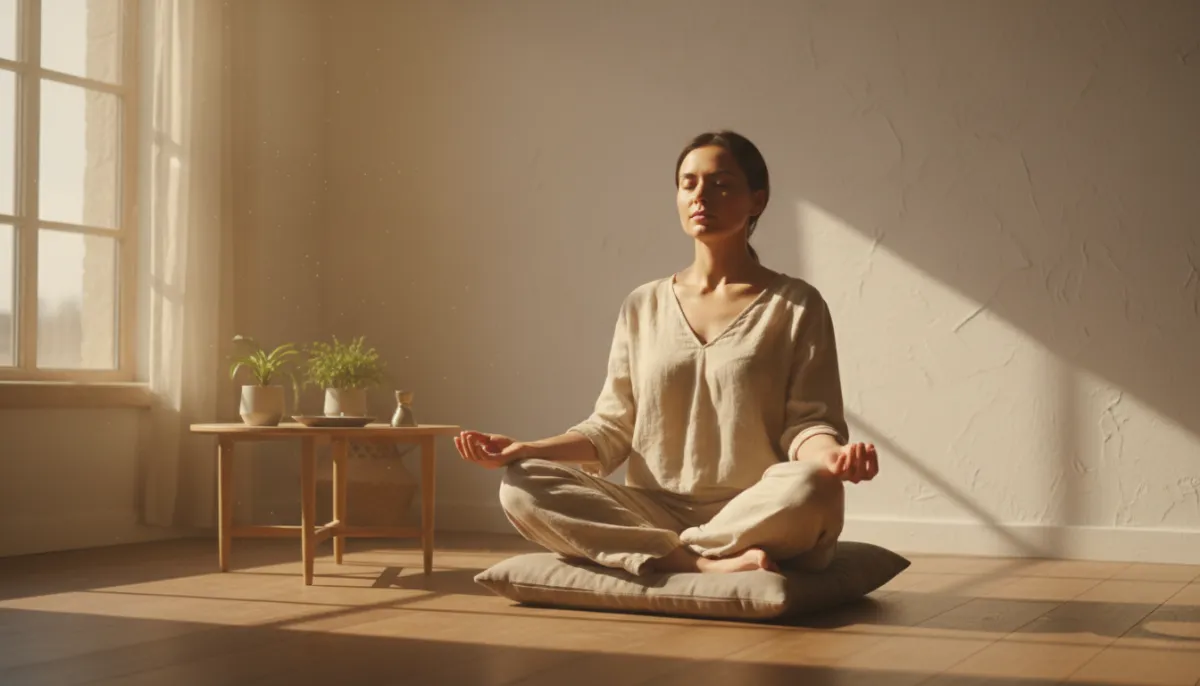
The human body responds to stress through the sympathetic nervous system, triggering a cascade of hormones such as cortisol and adrenaline. When we engage in activities that promote calm, the parasympathetic system activates, lowering heart rate and encouraging a state of relaxation. Regular mental health exercises—like deep breathing, progressive muscle relaxation, and mindfulness meditation—have been shown to reduce cortisol levels by up to 30 %.
Physiological Benefits
- Reduced blood pressure and heart rate
- Improved immune function
- Verbeterde slaapkwaliteit
- Lowered anxiety and depressive symptoms
Incorporating simple practices such as a 5‑minute breathing exercise before bedtime can significantly improve sleep metrics, while a daily mindfulness session can increase emotional resilience. These findings underscore the importance of embedding calm‑cultivating habits into everyday life.
Everyday Practices to Cultivate Calm
Developing a routine that supports calming calming is easier when you have a toolbox of proven techniques. Below are three core practices that can be seamlessly integrated into a busy schedule.
1. Mindfulness Meditation
Mindfulness meditation involves focusing attention on the present moment, observing thoughts without judgment. Apps such as Calm and Headspace provide guided sessions ranging from 2 minutes to 30 minutes, making it accessible for beginners.
2. Gentle Physical Activity
Low‑intensity activities like yoga, tai chi, or a leisurely walk can lower stress hormones and improve mood. Even a 10‑minute stretch break during work hours can reset the nervous system.
3. Structured Breathing Exercises
Techniques such as the 4‑7‑8 breathing pattern (inhale 4 seconds, hold 7 seconds, exhale 8 seconds) are effective for rapid anxiety reduction.
| Practice | Duration | Frequency | Key Benefit |
|---|---|---|---|
| Mindfulness Meditation | 5–20 min | Daily | Reduces rumination |
| Gentle Yoga | 15–30 min | 3–4 times/week | Improves flexibility |
| 4‑7‑8 Breathing | 2–5 min | As needed | Instant calm |
Adopting these practices consistently can transform the way you respond to stress, fostering a reliable sense of calm throughout the day.
The Role of Sound: Using Calming Music for Stress Relief
Sound is a powerful modulator of emotional states. Listening to calming calming audio—such as relaxing music, soft piano melodies, or nature sounds—can lower heart rate and promote a tranquil mindset. Studies reveal that a 30‑minute session of soothing music before sleep can increase melatonin production, facilitating deeper, more restorative sleep.
Choosing the Right Music
- Relaxing music: Slow tempo (60–80 BPM), minimal lyrics.
- Calming music for sleep: Ambient tones, gentle repetitions.
- Soft music: Acoustic instruments, low volume.
- Zen spa sounds: Water fountains, bamboo chimes.
Platforms offering curated playlists—often labeled as “calming music” or “sleep music”—make it simple to find tracks that match personal preferences. For maximum effect, pair the audio with a dimly lit environment and focus on slow, rhythmic breathing.
Creating a Calming Environment at Home
Designing a space that encourages calming calming can amplify the benefits of meditation and music. Simple adjustments to lighting, scent, and decor can transform any room into a sanctuary for relaxation.
Key Elements
- Lighting: Use warm, dimmable bulbs or salt lamps to reduce harsh glare.
- Scent: Essential oils like lavender or chamomile can trigger the brain’s relaxation centers.
- Textures: Soft blankets, plush cushions, and natural fabrics add tactile comfort.
- Plants: Greenery improves air quality and provides a calming visual focus.
By curating these elements, you can create a dedicated “calm corner” where you regularly practice mindfulness or simply unwind after a demanding day.
Professional Support for Deep Relaxation
While self‑guided techniques are valuable, professional guidance can accelerate progress toward lasting calming calming. Integrative healthcare providers, such as those at Gold City Medical Center, offer personalized stress‑management programs that combine medical expertise with holistic practices.
Services Offered
- Individual counseling focused on anxiety reduction.
- Guided meditation sessions led by certified therapists.
- Sound therapy using curated calming music.
- Mind‑body workshops integrating yoga and breathwork.
These services are tailored to each client’s unique needs, ensuring that the journey toward calm is both safe and effective.
Why Choose Gold City Medical Center
Gold City Medical Center blends cutting‑edge medical treatments with holistic wellness approaches. Our team of experienced professionals specializes in creating individualized plans that incorporate mental health exercises, soothing music therapies, and evidence‑based relaxation techniques. By choosing us, you gain access to a supportive environment dedicated to enhancing both physical health and emotional well‑being.
Ready to experience lasting calm? Contact Gold City Medical Center today to schedule a personalized relaxation consultation and begin your journey toward a more peaceful you.
FAQ
What are effective techniques for deep relaxation?
Effective techniques include mindfulness meditation, gentle yoga, and structured breathing exercises like the 4‑7‑8 method.
How does calming music influence sleep quality?
Calming music lowers heart rate and boosts melatonin production, leading to deeper, more restorative sleep.
What role does the environment play in fostering calm?
A calm environment uses soft lighting, pleasant scents, comfortable textures, and greenery to support relaxation.
Can professional support enhance personal relaxation practices?
Yes, professional guidance can personalize techniques and accelerate progress toward lasting calm.
How often should mindfulness meditation be practiced for optimal benefits?
A daily session of 5–20 minutes is ideal for consistent mental health improvements.





