Understanding dht and hair loss in females is essential for anyone noticing increased shedding or thinning strands. Hormonal shifts, genetics, and lifestyle factors intertwine, making the condition both common and often misunderstood. In fact, up to 40 % of women experience noticeable hair thinning by the age of 50, and many attribute it to the influence of dihydrotestosterone (DHT).
This article delves into the science behind DHT, outlines the primary causes of female hair loss linked to this hormone, and presents a clear roadmap for diagnosis and treatment. Whether you are seeking medical advice, exploring non‑prescription options, or simply want to understand why your hair is changing, the information below will help you make informed decisions.
We will cover the hormonal mechanisms, common triggers, diagnostic tools, and both pharmaceutical and natural strategies to combat thinning hair. By the end, you will have a comprehensive view of how to address DHT‑related hair loss and restore confidence in your appearance.
What Is DHT and How It Affects Female Hair Growth
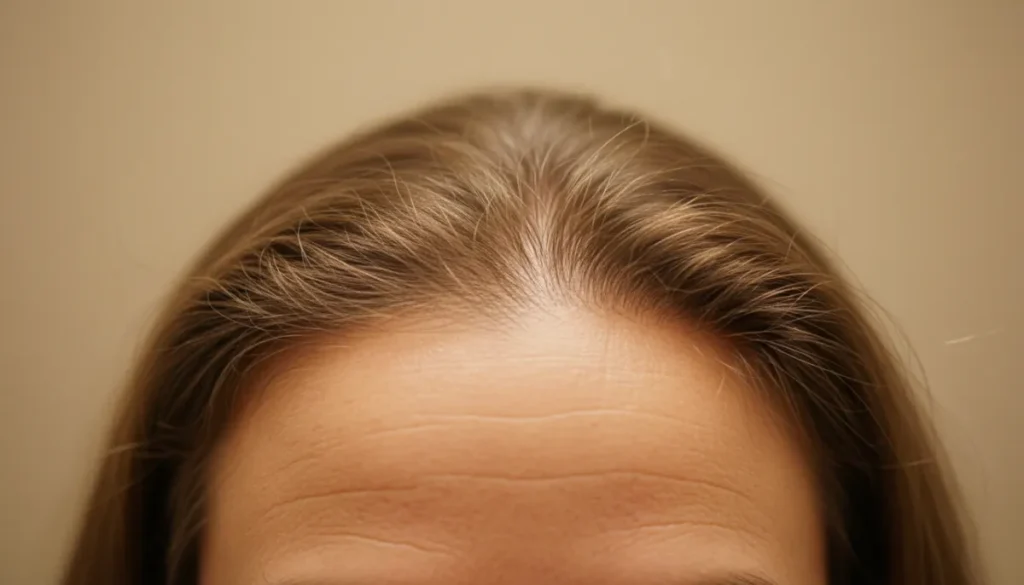
Dihydrotestosterone, commonly abbreviated as DHT, is a potent androgen derived from testosterone through the action of the enzyme 5‑alpha‑reductase. While men produce higher levels of DHT, women also generate the hormone in smaller quantities, and it can still affect the hair cycle.
In the scalp, DHT binds to androgen receptors located in hair follicles. This binding shortens the anagen (growth) phase and prolongs the telogen (resting) phase, leading to progressively thinner strands and eventual miniaturization of follicles. Over time, the visible result is a pattern of thinning that often mirrors male‑pattern baldness but presents differently in women.
Key symptoms of DHT‑related hair loss in females include:
- Gradual widening of the part line
- Diffuse thinning across the crown
- Reduced hair density without a distinct bald spot
Below is a concise comparison of average DHT concentrations and typical clinical manifestations in men versus women.
| Aspect | Mannen | Vrouwen |
|---|---|---|
| Average serum DHT (ng/dL) | 300–900 | 50–200 |
| Common pattern | Receding hairline, vertex balding | Crown thinning, widened part |
| Primary treatment focus | 5‑alpha‑reductase inhibitors | Combination of blockers and hormonal regulation |
Common Causes of Hair Loss in Women Linked to DHT
While DHT is a central player, several underlying conditions can amplify its impact on the scalp. The most prevalent is alopecia androgenetica in women, often referred to as female pattern baldness. This hereditary condition makes hair follicles more sensitive to DHT, even at normal hormone levels.
Other contributors include hormonal imbalances such as polycystic ovary syndrome (PCOS), thyroid disorders, and elevated insulin levels. Each of these can increase androgen production or enhance the activity of 5‑alpha‑reductase, thereby raising local DHT concentrations.
Additional factors that may exacerbate DHT‑related thinning:
- Stress‑induced cortisol spikes, which can disrupt the hair growth cycle.
- Rapid weight loss or restrictive dieting, leading to nutrient deficiencies.
- Use of certain medications, including anabolic steroids and some hormonal contraceptives.
Understanding the root cause is crucial because it guides the choice of a dht-blokker or other therapeutic approach. For example, women with PCOS may benefit from insulin‑sensitizing agents alongside standard hair loss treatments.
Diagnosing DHT‑Related Hair Loss
Accurate diagnosis begins with a thorough clinical evaluation. A dermatologist or trichologist will assess the pattern of thinning, measure hair density, and inquire about medical history, medication use, and lifestyle factors.
Key diagnostic steps include:
- Physical scalp examination – visual inspection and dermatoscopic imaging to identify follicular miniaturization.
- Blood tests – measuring serum levels of testosterone, DHT, thyroid hormones, ferritin, and vitamin D.
- Hormonal profiling – especially for women with irregular menstrual cycles or signs of PCOS.
Below is a step‑by‑step table that outlines the typical diagnostic pathway for women suspecting DHT‑related hair loss.
| Step | Purpose | Typical Findings |
|---|---|---|
| Clinical inspection | Identify pattern and severity | Diffuse crown thinning, preserved frontal hairline |
| Trichoscopy | Visualize follicle size | Increased proportion of vellus‑like hairs |
| Hormone panel | Detect elevated androgens | High DHT, elevated free testosterone |
| Additional labs | Rule out deficiencies | Low ferritin, low vitamin D |
When the results point toward elevated DHT activity, targeted therapy can be initiated with confidence.
Treatment Options for DHT‑Related Female Hair Loss
Effective management often requires a combination of medical, topical, and lifestyle interventions. Below are the most widely used approaches, each with its own mechanism of action and expected outcomes.
Pharmaceutical DHT Blockers
Prescription‑only options such as spironolactone and low‑dose oral finasteride (off‑label for women) inhibit the conversion of testosterone to DHT. These agents have demonstrated a reduction in hair shedding and modest regrowth in many clinical studies.
Topical Solutions
Topical minoxidil (2 % or 5 %) remains the first‑line therapy for women, stimulating follicular activity and prolonging the growth phase. When combined with a dht-blokker like ketoconazole shampoo, the dual action can further suppress scalp DHT.
Adjunct Therapies
Low‑level laser therapy (LLLT) and platelet‑rich plasma (PRP) injections are emerging options that improve vascular supply and promote follicle health, complementing the hormonal approach.
Comparison of common treatments:
| Behandeling | Mechanism | Typical Results (6 months) | Side Effects |
|---|---|---|---|
| Spironolactone | Androgen receptor antagonist | 30‑40 % reduction in shedding | Breast tenderness, menstrual changes |
| Finasteride (off‑label) | 5‑alpha‑reductase inhibitor | 20‑35 % increase in density | Rare sexual dysfunction |
| Minoxidil 5 % | Vasodilator, prolongs anagen | 15‑25 % new hair growth | Hoofdhuidirritatie |
| Ketoconazole shampoo | Anti‑fungal, reduces scalp DHT | 10‑15 % improvement when combined | Mild dryness |
Choosing the right regimen depends on individual hormone profiles, tolerance, and personal preferences. A qualified specialist can tailor a plan that maximizes benefit while minimizing adverse effects.
Lifestyle and Natural Strategies to Support Hair Health
Medical treatment works best when paired with supportive lifestyle habits. Nutrient deficiencies, chronic stress, and poor scalp hygiene can undermine even the most potent DHT blockers.
Nutrition for Stronger Hair
Key vitamins and minerals include:
- Biotin (B7) – supports keratin production.
- Iron – essential for oxygen transport to follicles.
- Vitamin D – modulates the hair growth cycle.
- Zinc – regulates hormone metabolism.
Incorporating foods such as eggs, lean meats, legumes, nuts, and fatty fish helps maintain adequate levels.
Stress Management
Elevated cortisol can exacerbate DHT activity. Practices like mindfulness meditation, regular aerobic exercise, and adequate sleep (7‑9 hours) contribute to hormonal balance and overall hair resilience.
Scalp Care Routine
Gentle cleansing with a sulfate‑free shampoo, occasional use of a ketoconazole‑based cleanser, and avoiding excessive heat styling reduce inflammation and keep the follicles healthy.
By integrating these natural strategies with clinically proven treatments, many women experience noticeable improvement in hair thickness and density within 3‑6 months.
Why Choose Gold City Medical Center
Gold City Medical Center combines cutting‑edge medical expertise with a personalized, integrative approach to hair restoration. Our team of experienced dermatologists and trichologists conducts thorough assessments, offers evidence‑based DHT‑blocking therapies, and tailors treatment plans to each patient’s unique hormonal profile. With state‑of‑the‑art facilities and a commitment to ongoing care, we help women regain confidence through healthier, fuller hair.
Ready to take control of DHT‑related hair loss? Contact Gold City Medical Center today to schedule a comprehensive consultation and start your personalized treatment journey.
Call us or fill out our online request form—your path to thicker, stronger hair begins now.
FAQ
What is DHT and how does it affect female hair growth?
DHT is a potent androgen that shortens the growth phase of hair follicles in women, leading to thinning and miniaturization.
Which conditions increase DHT activity in women?
Conditions like PCOS, thyroid disorders, insulin resistance, and high stress can raise DHT levels or its activity.
How is DHT‑related hair loss diagnosed in women?
Diagnosis involves clinical scalp examination, trichoscopy, and blood tests for hormones and nutrient levels.
What are the most effective treatment options for female DHT‑related hair loss?
Effective options include spironolactone, low‑dose finasteride, topical minoxidil, ketoconazole shampoo, and adjuncts like laser therapy or PRP.
Can lifestyle changes help improve DHT‑related hair loss?
Yes, a nutrient‑rich diet, stress reduction, and proper scalp care support medical treatments and can improve outcomes.





