Dry and patchy skin can be uncomfortable and affect confidence, especially when it appears on visible areas such as the face, arms, or legs. This article explains why the skin loses its smooth texture, how common conditions like atopic dermatitis and eczema contribute to the problem, and which moisturizers and medical options provide the most relief. With nearly 10,000 monthly searches for this concern, many people are looking for practical guidance that fits into a busy lifestyle.
Understanding the underlying causes is the first step toward a lasting solution. Whether the dryness stems from environmental factors, genetic predisposition, or an underlying skin disease, the right approach can restore barrier function and reduce irritation. We will explore the science behind skin hydration, identify warning signs that merit professional attention, and present a clear plan you can follow at home or with a dermatologist.
By the end of this article you will know how to recognize the signs of serious skin conditions, choose the best moisturizer for dry skin, and decide when it is time to seek expert care at Gold City Medical Center.
Understanding the Causes of Dry and Patchy Skin
Dryness and patchiness arise when the skin’s natural barrier is compromised. The outer layer, called the stratum corneum, loses its ability to retain moisture, leading to flaking, tightness, and sometimes visible scales. Several factors contribute to this breakdown:
- Environmental stressors such as low humidity, wind, and cold temperatures.
- Frequent washing with harsh soaps or hot water.
- Genetic predisposition to conditions like xerosis or atopic dermatitis.
- Underlying medical issues, including thyroid disorders and diabetes.
- Age‑related decline in natural oil production.
When the skin becomes dehydrated, it may develop dry patches on skin that are prone to cracking and infection. Recognizing these early signs can prevent more serious complications, such as secondary bacterial infections or chronic inflammation.
| Factor | Impact on Skin Barrier | Typical Symptoms |
|---|---|---|
| Low Humidity | Increases transepidermal water loss | Tightness, fine scaling |
| Harsh Cleansers | Disrupts lipid layer | Redness, itching |
| Genetic Xerosis | Reduced natural moisturizers | Persistent dry patches, rough texture |
Addressing the root cause—whether it is environmental, behavioral, or medical—allows you to choose the most effective treatment plan. In the next sections we will examine common skin disorders that often present with dry and patchy skin.
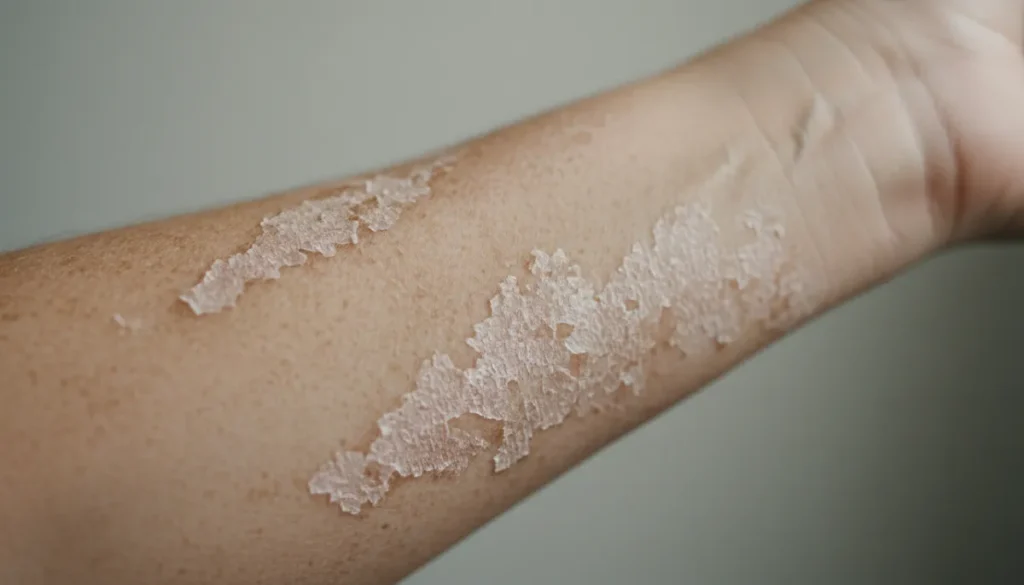
Recognizing Common Skin Conditions That Mimic Dryness
Many dermatological conditions manifest as dry, patchy areas, making it essential to differentiate simple xerosis from more complex diseases. Below are the most frequently encountered disorders:
Eczema (Atopic Dermatitis)
Eczema, also known as atopic dermatitis, often begins in childhood but can persist into adulthood. It is characterized by red, itchy patches that may become dry and scaly over time. Triggers include allergens, stress, and irritants.
Nummular Eczema
Also called discoid eczema, nummular eczema presents as coin‑shaped lesions that are intensely itchy and may ooze. The patches can become crusty and dry, especially when scratched.
Contact Dermatitis
Exposure to irritants or allergens—such as certain soaps, metals, or plants—can cause localized dryness and redness, often limited to the area of contact.
- Key signs: well‑defined borders, sudden onset after exposure.
- Treatment: removal of irritant, soothing moisturizers, occasional corticosteroids.
Understanding these patterns helps you decide whether a simple moisturizing routine will suffice or if a medical consultation is warranted.
Effective Moisturizing Strategies and Best Products
Moisturizing is the cornerstone of managing dry and patchy skin. The goal is to restore the lipid barrier and lock in hydration. A good moisturizer contains three key ingredients: humectants, emollients, and occlusives.
Choosing the Right Moisturizer
When selecting the best moisturizer for dry skin, consider the following factors:
- Humectants (e.g., glycerin, hyaluronic acid) attract water to the skin.
- Emollients (e.g., shea butter, ceramides) fill gaps between skin cells.
- Occlusives (e.g., petrolatum, dimethicone) create a barrier to prevent water loss.
For individuals with eczema, products that contain ceramides and colloidal oatmeal are especially beneficial because they soothe inflammation while reinforcing the barrier.
| Product Type | Key Ingredients | Ideal For |
|---|---|---|
| Rich Cream | Ceramides, glycerin, petrolatum | Severe xerosis, eczema flare‑ups |
| Light Lotion | Hyaluronic acid, shea butter | Normal‑to‑dry skin, daytime use |
| Barrier Serum | Niacinamide, panthenol | Sensitive skin, post‑procedure care |
Apply moisturizer immediately after a gentle cleanse, while the skin is still damp, to maximize absorption. Reapply at least twice daily, and more often if the skin feels tight.
Medical Treatments and When to Seek Professional Help
While diligent skin care can alleviate mild dryness, certain cases require medical intervention. Dermatologists may prescribe topical or systemic therapies based on the severity and underlying cause.
Topical Therapies
Prescription‑strength corticosteroid creams reduce inflammation quickly, but they should be used short‑term to avoid skin thinning. For long‑term maintenance, non‑steroidal options such as calcineurin inhibitors (tacrolimus, pimecrolimus) are effective for eczema without the side‑effects of steroids.
Systemic Options
In severe atopic dermatitis, oral medications like antihistamines, or newer biologic agents (e.g., dupilumab) target the immune pathways that drive chronic inflammation. These treatments are typically reserved for patients who have not responded to topical regimens.
Procedural Interventions
Phototherapy (narrowband UVB) can improve skin barrier function and reduce itchiness for patients with widespread dry patches. In cases of secondary infection, a short course of antibiotics may be necessary.
- Signs you need a dermatologist: persistent redness, oozing, cracking, or spreading patches.
- Benefits of professional care: accurate diagnosis, tailored treatment, faster relief.
Gold City Medical Center offers a comprehensive dermatology service, combining evidence‑based medicine with personalized skin‑care plans.
Lifestyle and Home Care Tips for Long‑Term Relief
Beyond products and prescriptions, everyday habits play a crucial role in maintaining skin health. Consistency is key; small adjustments can produce big results over time.
Hydration and Nutrition
Drink plenty of water throughout the day to support systemic hydration. Incorporate omega‑3 fatty acids (found in fish, flaxseed, walnuts) to help reinforce the skin’s lipid barrier from within.
Gentle Cleansing
Choose fragrance‑free, sulfate‑free cleansers. Limit shower time to 10 minutes and use lukewarm water instead of hot, which can strip natural oils.
Environmental Protection
During cold or windy weather, protect exposed skin with scarves or gloves. In dry indoor environments, use a humidifier to maintain a relative humidity of 40‑60%.
- Sleep on cotton pillowcases to reduce friction.
- Avoid scratching; use cool compresses to soothe itching.
- Regularly exfoliate with a mild, non‑abrasive scrub to remove dead skin cells.
By integrating these habits into your routine, you can prevent the recurrence of dry, patchy areas and support overall skin resilience.
Why Choose Gold City Medical Center
Gold City Medical Center combines integrative medicine with cutting‑edge dermatology to deliver personalized solutions for dry and patchy skin. Our team of experienced physicians assesses each patient’s unique skin type, lifestyle, and medical history to create a comprehensive treatment plan. From advanced moisturization protocols to targeted prescription therapies, we ensure that every step is evidence‑based and aligned with your aesthetic goals. Trust a center that integrates medical expertise with a commitment to overall wellbeing.
Ready to restore smooth, healthy skin? Contact Gold City Medical Center today to schedule a personalized skin assessment. Our specialists will guide you toward lasting comfort and confidence.
FAQ
What causes dry and patchy skin?
Dry and patchy skin occurs when the skin barrier is compromised by factors like low humidity, harsh cleansers, genetics, medical conditions, and aging.
How can I tell if my dry skin is a sign of eczema?
Eczema usually presents with red, itchy, inflamed patches that may ooze or crust, often in characteristic locations and with a history of flare‑ups.
What are the best moisturizers for dry skin?
The best moisturizers contain humectants, emollients, and occlusives, with ingredients like glycerin, ceramides, shea butter, and petrolatum.
When should I see a dermatologist for dry patches?
Seek a dermatologist if patches are persistent, painful, cracked, oozing, spreading, or accompanied by redness, swelling, or signs of infection.
What medical treatments are available for severe dry skin?
Medical options include prescription corticosteroids, non‑steroidal topicals like calcineurin inhibitors, systemic antihistamines, biologics, phototherapy, and antibiotics for secondary infection.
How do lifestyle changes help prevent dry skin?
Staying hydrated, using gentle cleansers, protecting skin from harsh weather, maintaining indoor humidity, and eating omega‑3‑rich foods support skin health.





