When an eczema rash appears, it can be both uncomfortable and concerning, especially if you’re unsure of its origin. This article explores what an eczema rash is, why it develops, how to recognize its signs, and which treatments provide lasting relief. With over 90,000 monthly searches for this condition, many individuals are seeking clear, trustworthy information.
From mild dry patches to intense inflammation, eczema manifests in various forms, affecting people of all ages. Whether you’re dealing with atopic dermatitis on your hands, dyshidrotic eczema on your feet, or a persistent facial flare‑up, understanding the underlying mechanisms helps you take control of your skin health.
We’ll dive into the most common triggers, outline practical self‑care steps, and explain when professional medical help is essential. By the end of this guide, you’ll have a roadmap for managing an eczema rash and preventing future outbreaks.
What Is an Eczema Rash?
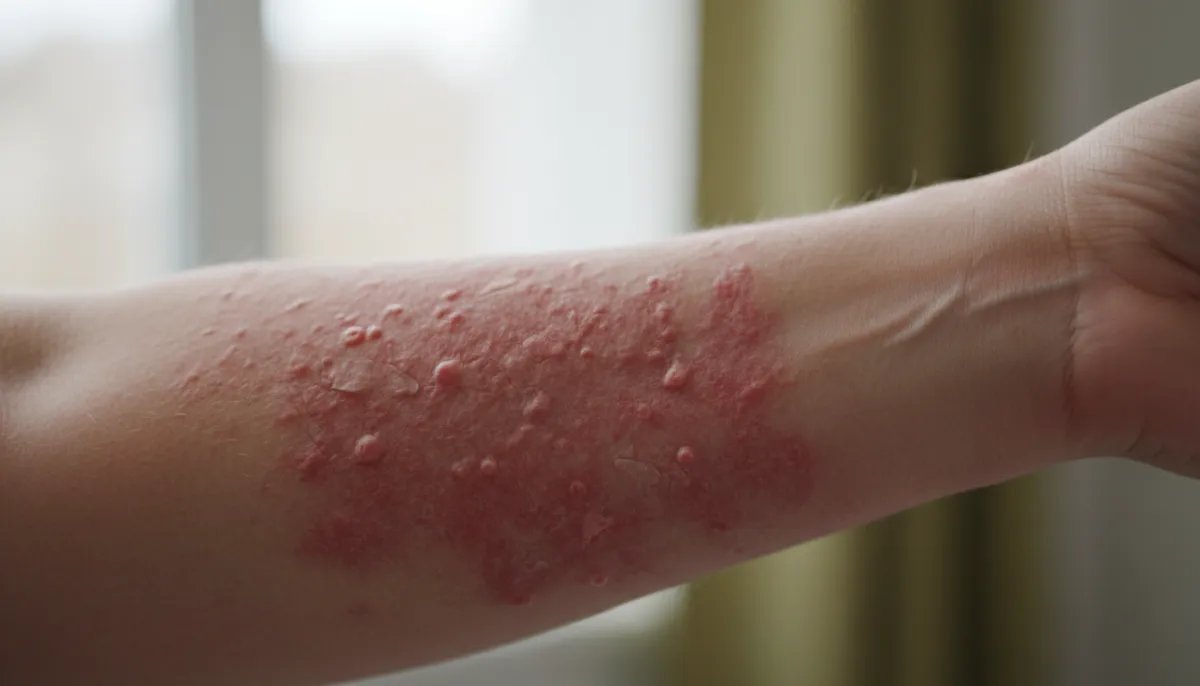
An eczema rash is a type of inflammatory skin condition characterized by redness, itching, and sometimes blistering or scaling. It falls under the broader umbrella of dermatitis, a term that describes any skin inflammation. The most prevalent forms include atopic dermatitis, dyshidrotic eczema (also known as pompholyx), and contact dermatitis.
Key characteristics of an eczema rash:
- Intense itching that worsens at night
- Red or brownish patches that may become dry and cracked
- Swelling, especially on the hands, feet, or face
- Blisters that may ooze or crust over
Below is a quick comparison of the main eczema types:
| Type | Typical Location | Distinct Features |
|---|---|---|
| Atopic Dermatitis | Face, neck, flexural areas | Chronic, often starts in childhood |
| Dyshidrotic Eczema | Hands, feet | Small, itchy vesicles that may weep |
| Contact Dermatitis | Any area exposed to irritant | Triggered by allergens or chemicals |
Recognizing the specific type of rash you’re experiencing guides effective treatment choices. While the primary symptom is itching, the appearance and distribution of lesions can signal whether you’re dealing with atopic dermatitis, dyshidrotic eczema, or another form of dermatitis.
Veelvoorkomende triggers en oorzaken
Understanding what provokes an eczema rash is essential for breaking the cycle of flare‑ups. Many factors can irritate the skin’s barrier, leading to inflammation. Common triggers include genetic predisposition, environmental allergens, stress, and certain skin‑care products.
Key contributors:
- Genetica: A family history of atopic dermatitis increases susceptibility.
- Allergens: Dust mites, pollen, and pet dander can aggravate skin.
- Irritants: Harsh soaps, detergents, and fragrances often cause contact eczema.
- Climate: Low humidity and extreme temperatures dry out the skin.
- Stress: Emotional tension can exacerbate itching and inflammation.
Below is a checklist for identifying personal triggers:
| Trigger Category | Examples | Potential Impact |
|---|---|---|
| Environmental | Dust, pollen, mold | May worsen atopic dermatitis |
| Skin Care Products | Fragranced lotions, alcohol‑based cleansers | Can cause contact eczema |
| Physical Factors | Heat, sweating, friction | May trigger dyshidrotic eczema on hands |
| Dietary | Food allergens (e.g., nuts, dairy) | Sometimes linked to flare‑ups |
By tracking exposure to these elements, you can pinpoint the “what causes eczema” in your own case and take proactive steps to reduce future outbreaks.
Recognizing Symptoms and When to Seek Care
Identifying an eczema rash early helps prevent severe skin damage. Symptoms can vary widely, but there are hallmark signs to watch for. The rash often appears as red, inflamed patches that may become dry, flaky, or weepy.
Typical manifestations include:
- Intense itching that leads to scratching
- Red or brownish discoloration, especially on the hands, feet, or face
- Cracked skin that may bleed
- Blister‑like vesicles in dyshidrotic eczema
- Thickened skin from chronic inflammation (lichenification)
When to consult a dermatologist:
- If the rash spreads rapidly or covers large areas
- When you notice signs of infection (pus, increased warmth)
- If over‑the‑counter creams fail to relieve itching within two weeks
- When the rash interferes with sleep or daily activities
The following table outlines symptom severity and recommended actions:
| Severity | Symptomen | Recommended Action |
|---|---|---|
| Mild | Dry patches, occasional itch | Moisturize regularly, use mild soap |
| Moderate | Redness, frequent itch, minor cracking | Apply over‑the‑counter hydrocortisone, monitor |
| Severe | Weeping lesions, swelling, signs of infection | Seek professional medical care promptly |
Understanding “what does eczema look like” empowers you to act quickly, reducing the risk of complications such as secondary infections or permanent skin changes.
Treatment Options and Home Care
Managing an eczema rash often requires a combination of medical therapies and diligent skin‑care routines. The goal is to soothe inflammation, restore the skin barrier, and prevent future flare‑ups.
Medical treatments commonly prescribed include:
- Topical corticosteroids (e.g., hydrocortisone, betamethasone)
- Calcineurin inhibitors (tacrolimus, pimecrolimus) for sensitive areas
- Antihistamines to control itching
- Moisturizers enriched with ceramides and urea
- Antibiotics if bacterial infection is present
For dyshidrotic eczema, specific approaches such as wet dressings and short courses of oral steroids may be recommended. In chronic cases, phototherapy or systemic medications like dupilumab are options under specialist supervision.
Effective home‑care practices:
- Moisturize daily – Apply fragrance‑free creams immediately after bathing.
- Gebruik lauw water – Hot showers strip natural oils, worsening dryness.
- Avoid irritants – Choose mild, dye‑free soaps and detergents.
- Wear breathable fabrics – Cotton reduces friction and sweating.
- Manage stress – Mindfulness and relaxation techniques can lower flare‑up frequency.
The following table contrasts prescription versus over‑the‑counter options:
| Category | Voorschrift | OTC |
|---|---|---|
| Anti‑Inflammatory | Clobetasol propionate 0.05% | Hydrocortisone 1% |
| Barrier Repair | Prescription ceramide cream | Petrolatum‑based ointments |
| Itch Relief | Oral antihistamines (e.g., cetirizine) | Topical antihistamine creams |
Consistent application of these strategies can dramatically reduce the intensity and frequency of an eczema rash, leading to healthier skin and improved quality of life.
Preventive Strategies and Lifestyle Tips
While treatment addresses existing symptoms, prevention focuses on maintaining skin health to avoid new eruptions. Lifestyle adjustments can reinforce the skin’s natural barrier and reduce exposure to known irritants.
Key preventive measures:
- Hydratatie – Drink plenty of water to keep skin cells hydrated.
- Balanced diet – Include omega‑3 fatty acids, vitamin E, and zinc to support skin integrity.
- Regular moisturizing – Apply emollients at least twice daily, especially after bathing.
- Temperature control – Use humidifiers in dry climates and avoid excessive heat.
- Protective clothing – Gloves for cleaning tasks and breathable fabrics for everyday wear.
Below is a quick reference guide for daily skin‑care habits:
| Time of Day | Action | Purpose |
|---|---|---|
| Morning | Apply moisturizer | Replenish skin barrier after night |
| After Bath | Pat skin dry, then seal with cream | Lock in moisture |
| Evening | Use a gentle, fragrance‑free cleanser | Remove irritants without stripping oils |
| Before Bed | Apply heavier ointment if needed | Provide overnight repair |
By integrating these habits, many individuals experience a noticeable reduction in “eczema on hands” and “eczema on face” occurrences. Consistency is key—small daily choices accumulate into lasting skin health.
Why Choose Gold City Medical Center
Gold City Medical Center combines integrative medicine with cutting‑edge dermatological expertise to deliver personalized care for eczema and other skin concerns. Our multidisciplinary team assesses each patient’s unique triggers, lifestyle, and medical history to craft tailored treatment plans. From advanced prescription therapies to supportive skin‑care counseling, we ensure comprehensive management of your eczema rash. Trust a center that prioritizes both medical excellence and aesthetic wellbeing.
Ready to regain comfortable, healthy skin? Contact Gold City Medical Center today to schedule a personalized consultation. Our specialists are here to guide you toward lasting relief and confidence.
FAQ
What causes eczema rash?
Eczema rash can be triggered by genetics, allergens, irritants, climate, and stress.
What are the symptoms of eczema rash?
Typical symptoms are intense itching, red or brownish patches, dry cracked skin, and sometimes blisters.
How can I treat eczema rash at home?
Use daily moisturizers, lukewarm water, fragrance‑free soaps, breathable fabrics, and stress‑management techniques.
When should I see a dermatologist for eczema?
Seek professional care if the rash spreads rapidly, shows signs of infection, or does not improve with OTC treatments within two weeks.
What are the differences between atopic dermatitis and dyshidrotic eczema?
Atopic dermatitis is chronic, often starts in childhood and affects flexural areas, while dyshidrotic eczema appears as itchy vesicles on hands and feet.
How can I prevent eczema flare‑ups?
Maintain skin hydration, avoid known irritants, use moi





