Skin tightening procedures have become a cornerstone of modern aesthetic medicine, offering a non‑surgical path to firmer, more youthful skin. Whether you’re dealing with loose skin after weight loss, sagging around the neck, or early signs of aging, these treatments can address a wide range of concerns without the downtime of traditional surgery.
In this article we’ll explore the science behind the most popular techniques, compare their benefits and limitations, and guide you through what to expect before, during, and after a session. Understanding the options empowers you to make an informed decision that aligns with your skin type, lifestyle, and aesthetic goals.
According to recent clinical data, over 2,400 individuals search for skin tightening solutions each month, reflecting a growing demand for minimally invasive options that deliver noticeable results. By the end of this guide, you’ll have a clear roadmap to the right procedure for your unique needs.
Understanding How Modern Skin Tightening Works
Modern skin tightening procedures rely on controlled energy delivery to stimulate collagen production, improve elasticity, and remodel tissue. The most common modalities include radiofrequency (RF), laser, ultrasound, and microneedling, each with distinct mechanisms and ideal indications.
Radiofrequency (RF) Skin Tightening
RF devices emit electromagnetic waves that heat the dermal layers, prompting fibroblasts to produce new collagen. This heat‑induced contraction leads to immediate tightening, with gradual improvement over several months.
Laser‑Based Treatments
Fractional lasers create micro‑columns of thermal injury, triggering a wound‑healing response. The result is a smoother texture and tighter skin, particularly effective for facial rejuvenation.
Ultrasound (HIFU) Therapy
High‑Intensity Focused Ultrasound targets deeper layers, delivering focused energy that tightens tissue from the inside out. HIFU is often chosen for neck and jawline tightening.
Microneedling with Radiofrequency
This hybrid approach combines mechanical needling with RF energy, enhancing collagen remodeling while minimizing surface disruption.
- RF: Quick sessions, minimal downtime.
- Laser: Precise resurfacing, suitable for texture concerns.
- Ultrasound: Deep tightening, ideal for lax neck skin.
- Microneedling‑RF: Dual action for stubborn areas.
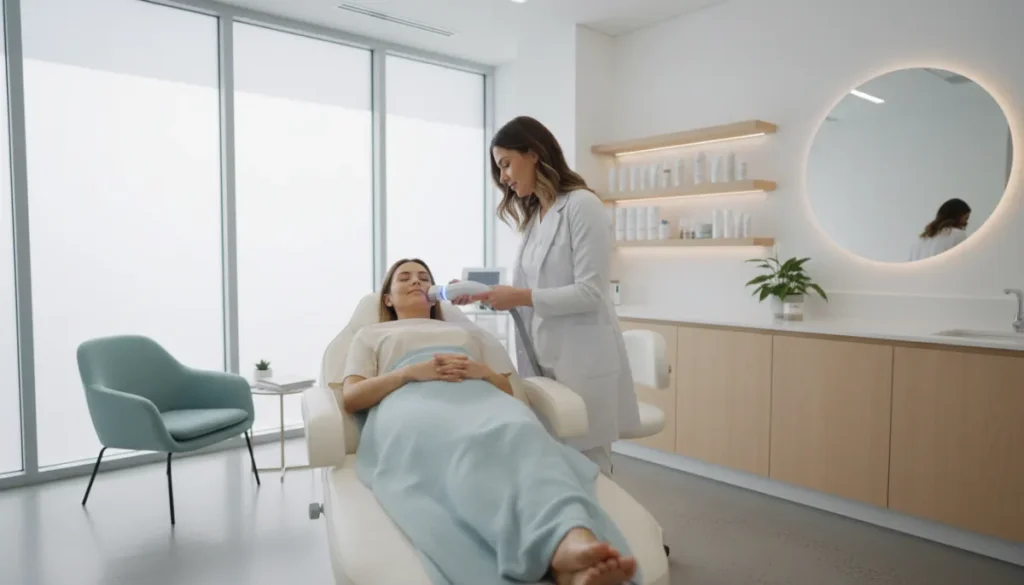
Choosing the Right Treatment for Your Skin Type and Goals
Selecting the appropriate skin tightening method depends on factors such as skin thickness, degree of laxity, treatment area, and personal tolerance for downtime. Below is a comparative overview to help you match your needs with the most suitable technology.
| Procedure | How It Works | Ideale kandidaten | Downtime | Approx. Cost (EUR) |
|---|---|---|---|---|
| Radiofrequency (RF) | Heat‑induced collagen contraction | Fine lines, mild sagging | Same‑day return | 300‑600 |
| Fractional Laser | Micro‑thermal zones stimulate remodeling | Texture, pigmentation, moderate laxity | 2‑3 days of redness | 500‑900 |
| Ultrasound (HIFU) | Focused energy deep in tissue | Neck, jawline, deeper laxity | Minimal, occasional swelling | 700‑1200 |
| Microneedling‑RF | Needles + RF stimulate collagen | Stubborn areas, post‑weight‑loss skin | 1‑2 days of mild redness | 400‑800 |
When evaluating options, consider the longevity of results. RF and microneedling‑RF often require maintenance sessions every 12‑18 months, while laser and HIFU can provide longer‑lasting outcomes, especially when combined with a structured skincare regimen.
Preparing for Your Skin Tightening Session
Proper preparation maximizes safety and enhances results. Below is a step‑by‑step checklist to follow in the weeks leading up to your appointment.
- Consultation: Discuss medical history, expectations, and any contraindications such as active infections or recent sun exposure.
- Skin Assessment: The practitioner will evaluate elasticity, pigmentation, and overall health of the target area.
- Pre‑Treatment Skincare: Use a gentle cleanser and a vitamin C serum for two weeks prior to boost collagen synthesis.
- Avoid Certain Medications: Discontinue blood thinners, retinoids, and NSAIDs as advised to reduce bruising risk.
- Hydration: Maintain adequate water intake; well‑hydrated skin responds better to energy‑based treatments.
On the day of the procedure, arrive with clean, makeup‑free skin. Wear comfortable clothing and avoid applying heavy moisturizers that could interfere with device contact.
What Happens During and After the Procedure
During the session, the selected device delivers controlled energy to the dermis while a cooling system protects the epidermis. Most treatments last between 20 and 60 minutes, depending on the area treated.
- Sensation: Patients often describe a warm, tingling feeling; most devices include built‑in comfort settings.
- Immediate Results: Slight tightening can be observed right after treatment due to collagen contraction.
- Post‑Treatment Care: Apply a soothing, fragrance‑free moisturizer and avoid direct sun exposure for at least 48 hours.
- Recovery Timeline: Redness or mild swelling typically resolves within 1‑3 days; full collagen remodeling continues for up to 6 months.
Adhering to post‑procedure instructions is crucial for optimal outcomes. Patients who incorporate a collagen‑supporting diet and regular skincare routines often experience more pronounced and lasting firmness.
Maintaining Results and Long‑Term Skin Health
While skin tightening procedures provide a significant lift, maintaining the results requires a holistic approach that includes lifestyle choices, skincare, and occasional touch‑ups.
- Sun Protection: Daily SPF 30+ shields newly formed collagen from UV degradation.
- Antioxidant‑Rich Skincare: Products containing vitamin C, niacinamide, and peptides support ongoing collagen synthesis.
- Healthy Lifestyle: Balanced nutrition, regular exercise, and adequate sleep enhance skin elasticity.
- Periodic Maintenance: Schedule follow‑up sessions every 12‑18 months to sustain firmness.
For individuals who have experienced significant weight loss, combining skin tightening with targeted nutrition plans can further improve skin tone and texture. Consult with a specialist at Gold City Medical Center to develop a personalized maintenance program.
Why Choose Gold City Medical Center
Gold City Medical Center blends cutting‑edge technology with a holistic, patient‑centered approach. Our team of board‑certified physicians and certified aestheticians tailor each skin tightening procedure to your unique anatomy and goals, ensuring safe, effective outcomes. With a reputation for excellence in integrative healthcare, we combine medical expertise with aesthetic precision, offering a comprehensive suite of services under one roof.
From the initial consultation through post‑treatment follow‑up, we prioritize comfort, transparency, and long‑term satisfaction. Trust Gold City Medical Center to help you achieve smoother, firmer skin with confidence.
Ready to rediscover youthful firmness? Contact Gold City Medical Center today to schedule your personalized skin tightening consultation. Experience professional care, advanced technology, and lasting results—book now!
FAQ
What are the most common skin tightening procedures?
The most common non‑surgical skin tightening methods are radiofrequency (RF), fractional laser, high‑intensity focused ultrasound (HIFU), and microneedling combined with RF.
How does radiofrequency skin tightening work?
RF skin tightening uses electromagnetic waves to heat the dermal layers, prompting fibroblasts to produce new collagen and causing immediate tissue contraction.
What is the recovery time after laser skin tightening?
Recovery after fractional laser skin tightening usually involves 2‑3 days of redness and mild swelling, with most patients returning to normal activities within a few days.
Who is a good candidate for ultrasound (HIFU) skin tightening?
HIFU is ideal for patients with deeper skin laxity, especially on the neck, jawline, and mid‑face, who prefer a non‑invasive option with minimal downtime.
How should I prepare for a skin tightening session?
Preparation includes a consultation, skin assessment, a pre‑treatment skincare regimen, avoiding certain medications, and staying well‑hydrated before the appointment.
How can I maintain results after a skin tightening treatment?
Maintaining results involves daily sun protection, antioxidant‑rich skincare, a healthy lifestyle, and periodic maintenance sessions every 12‑18 months.





