Acne scars can feel like a permanent reminder of past breakouts, but modern solutions to acne scars offer real hope for smoother, clearer skin. In this article we explore the science behind scarring, the most effective medical and topical treatments, and lifestyle habits that support healing. Whether you’re dealing with shallow pits or deep pockmarks, understanding your options is the first step toward confidence.
Statistics show that up to 80 % of people who have experienced moderate to severe acne will notice some form of scarring later in life. The emotional impact can be significant, affecting self‑esteem and social interactions. Fortunately, integrative approaches that combine cutting‑edge technology with personalized care can dramatically improve appearance.
We’ll walk you through the different types of acne scarring, review the most popular acne scar treatment modalities available at Gold City Medical Center, and provide practical tips you can start using today. By the end of this guide, you’ll have a clear roadmap to choose the right solution for your unique skin concerns.
Understanding Acne Scarring
Before selecting a treatment, it’s essential to recognize how acne scars form and the various patterns they can take. Scarring occurs when the skin’s healing response goes awry, either over‑producing collagen (resulting in raised tissue) or under‑producing it (creating depressions). The three main categories are:
Types of Acne Scars
- Atrophic scars – depressions such as ice‑pick, boxcar, and rolling scars.
- Hypertrophic and keloid scars – raised, thickened tissue that extends beyond the original lesion.
- Post‑inflammatory hyperpigmentation (PIH) – dark spots that linger after a blemish heals.
Each type responds differently to treatment, making accurate diagnosis crucial. Below is a quick comparison of severity, typical appearance, and recommended interventions.
| Scar Type | Severity | Typical Appearance | Best Treatment Options |
|---|---|---|---|
| Ice‑pick | Mild‑Moderate | Deep, narrow pits | Laser resurfacing, punch excision |
| Boxcar | Moderate‑Severe | Broad, shallow depressions with sharp edges | Subcision, dermal fillers, fractional laser |
| Rolling | Moderate‑Severe | Wavy surface, caused by tethered collagen | Microneedling, radiofrequency, subcision |
| Keloid/Hypertrophic | Severe | Raised, rubbery tissue | Corticosteroid injections, silicone sheets, laser |
| PIH | Mild‑Moderate | Flat brown/black spots | Topical brighteners, chemical peels, IPL |
Understanding the specific scar type helps you and your practitioner choose the most effective acne scar treatment plan.
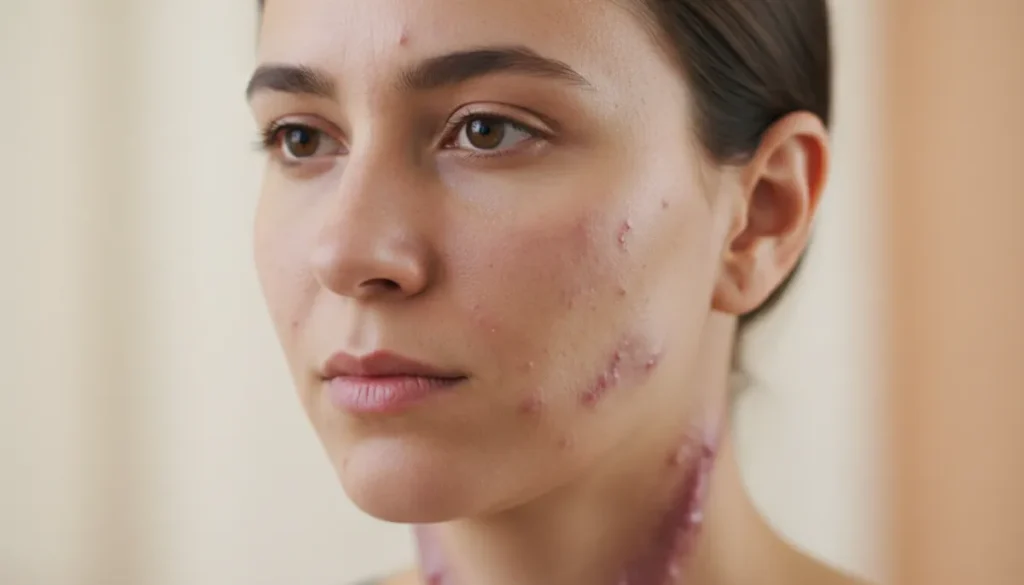
Medical Treatments Offered at Gold City
Gold City Medical Center combines evidence‑based dermatology with state‑of‑the‑art technology to address every scar category. Below are the most frequently requested procedures, each backed by clinical research and tailored to individual skin needs.
Lasertherapie
Laser resurfacing, especially fractional CO₂ and erbium lasers, targets the deeper layers of the skin to stimulate collagen remodeling. This approach is particularly effective for ice‑pick and boxcar scars, and can also improve the texture of hypertrophic scars. Patients often notice a gradual reduction in scar depth after a series of 3‑4 sessions spaced 4‑6 weeks apart.
Chemische peelings
Medium‑depth peels using trichloroacetic acid (TCA) or glycolic acid help to exfoliate the outer skin layers, encouraging fresh cell turnover. While peels are less invasive than laser, they work best for superficial PIH and mild rolling scars. A typical regimen includes 4‑6 treatments at monthly intervals.
Microneedling and Radiofrequency
Microneedling creates controlled micro‑injuries that trigger the body’s natural healing response, while radiofrequency (RF) adds heat to further stimulate collagen production. This combination is ideal for rolling scars and can be paired with topical serums for enhanced results.
Dermal Fillers
For deep boxcar or rolling scars, hyaluronic‑acid fillers can instantly lift depressions, providing immediate visual improvement. Fillers are a temporary solution, lasting 6‑12 months, but they are valuable for patients seeking rapid cosmetic enhancement while undergoing longer‑term remodeling therapies.
When selecting a modality, the practitioner evaluates scar type, skin tone, and patient preferences. Often, a blended approach—laser followed by microneedling, for example—delivers the most comprehensive outcome.
- Laser acne scar removal – precise, long‑lasting.
- Microneedling with RF – versatile for various textures.
- Dermal fillers – quick lift for deep depressions.
- Chemical peels – ideal for surface discoloration.
Topical Options and Home Care
While in‑office procedures accelerate results, consistent at‑home care sustains and enhances improvement. Several over‑the‑counter and prescription products are proven to soften scar texture and fade discoloration.
Retinoids and Vitamin C
Retinoids (tretinoin, adapalene) increase cell turnover, encouraging the shedding of pigmented cells and promoting collagen synthesis. Vitamin C serums provide antioxidant protection and brighten hyperpigmented areas. When used together, they create a synergistic effect that can reduce the appearance of shallow scars over 12‑16 weeks.
Spot Scar Creams
Formulations containing silicone, onion extract, or niacinamide are marketed as “spot scar treatment” products. Silicone gels form a protective barrier that hydrates the scar tissue, while onion extract has anti‑inflammatory properties. These creams are most effective on fresh scars (within 6 months of formation).
Sun Protection
UV exposure darkens post‑inflammatory hyperpigmentation and can impede healing. A broad‑spectrum SPF 30 or higher should be applied daily, even on cloudy days. Re‑application every two hours during outdoor activities is essential.
Combining these topical agents with professional treatments creates a comprehensive plan that addresses both texture and color.
- Retinoid creams – boost collagen and cell turnover.
- Vitamin C serum – brighten and protect.
- Silicone gel – hydrate and flatten.
- SPF 30+ – prevent darkening of scars.
Lifestyle Factors that Influence Healing
Even the most advanced medical interventions can be undermined by habits that delay skin regeneration. Understanding how diet, stress, and daily routines affect scar remodeling empowers patients to maximize results.
Voeding
Foods rich in zinc, vitamin A, and omega‑3 fatty acids support collagen synthesis and reduce inflammation. Incorporating lean proteins, leafy greens, nuts, and fatty fish can accelerate the healing cascade. Conversely, high‑glycemic foods and excessive dairy may exacerbate acne activity, leading to new lesions and potential scarring.
Stress Management
Chronic stress elevates cortisol, which can impair wound healing and increase oil production. Techniques such as mindfulness meditation, regular exercise, and adequate sleep (7‑9 hours) have been shown to improve skin barrier function.
Huidverzorgingsroutine
A gentle, non‑comedogenic cleanser removes excess oil without stripping the skin’s natural moisture. Exfoliation—using chemical (AHA/BHA) rather than harsh physical scrubs—helps prevent clogged pores that can evolve into new acne and subsequent scarring.
By integrating these lifestyle adjustments, patients often notice faster fading of PIH and smoother texture, complementing the procedural work done at the clinic.
- Balanced diet – supports collagen and reduces inflammation.
- Stress reduction – improves overall skin recovery.
- Gentle cleansing – prevents new breakouts.
- Regular exfoliation – encourages cell turnover.
Choosing the Right Solution for Your Skin
Every individual’s scarring pattern is unique, so a one‑size‑fits‑all approach rarely works. The decision‑making process should involve a thorough consultation with a qualified dermatologist who can assess scar type, skin type, and personal goals.
Key Considerations
- Scar severity – Mild PIH may respond to topical therapy alone, while deep pitting often requires laser or filler interventions.
- Skin tone – Patients with darker skin tones are more prone to post‑inflammatory hyperpigmentation; they may benefit from non‑ablative lasers and careful topical regimens.
- Recovery time – Some procedures (e.g., CO₂ laser) involve downtime, whereas microneedling or topical treatments have minimal interruption to daily life.
- Budget – A blended plan can spread costs over time, combining lower‑cost home care with periodic professional sessions.
Gold City Medical Center offers a personalized assessment that maps out a step‑by‑step roadmap, often integrating multiple modalities for optimal outcomes. Patients are encouraged to ask about “how to get rid of acne scars” and “best acne scar treatment” options during their first visit.
Remember, consistency is key. Even after visible improvement, maintenance with sunscreen and gentle skincare helps preserve the results for years to come.
Why Choose Gold City Medical Center
Gold City Medical Center combines integrative healthcare expertise with cutting‑edge aesthetic technology. Our multidisciplinary team tailors each solution to acne scars to the patient’s unique skin profile, ensuring safety, efficacy, and lasting confidence. With a focus on evidence‑based treatments and a welcoming environment, we help you achieve smoother, radiant skin without compromising overall health.
Ready to transform your skin? Contact Gold City Medical Center today to schedule a personalized scar‑assessment and start your journey toward a flawless complexion.
Call us or fill out our online form – your confidence is just one appointment away.
FAQ
What are the different types of acne scars?
Acne scars are classified into atrophic (ice‑pick, boxcar, rolling), hypertrophic/keloid, and post‑inflammatory hyperpigmentation (PIH).
Which laser treatment works best for ice‑pick scars?
Fractional CO₂ and erbium laser resurfacing are most effective for ice‑pick scars.
How do chemical peels help with post‑inflammatory hyperpigmentation?
Medium‑depth peels exfoliate pigmented skin cells, promoting a more even tone.
Can topical retinoids improve acne scar texture?
Yes, retinoids increase cell turnover and collagen production, softening scar texture over time.
What lifestyle changes can speed up acne scar healing?
A balanced diet, stress management, gentle skincare, and adequate sun protection accelerate scar recovery.





