When faced with anxiety disorder depression treatment, many patients seek comprehensive care that addresses both conditions simultaneously. Anxiety and depression frequently coexist, creating a complex clinical picture that demands an integrated approach. Understanding the underlying mechanisms, recognizing overlapping symptoms, and selecting evidence‑based interventions are essential steps toward lasting relief.
According to recent mental‑health surveys, nearly one in three adults will experience an anxiety disorder or major depressive episode in their lifetime. This high prevalence underscores the importance of timely, personalized treatment plans that combine medical, psychological, and lifestyle components.
In this article, we will examine the core features of anxiety and depression, explore medication and psychotherapy options, discuss lifestyle modifications, and highlight emerging complementary therapies. By the end, you will have a clear roadmap for navigating anxiety disorder depression treatment and improving overall well‑being.
Understanding Anxiety and Depression: Symptoms and Overlap
Both anxiety and depression manifest through a range of emotional, cognitive, and physical signs. While each disorder has distinct diagnostic criteria, they often share common features that can complicate diagnosis and treatment.
Key symptoms of anxiety include:
- Persistent worry or fear
- Restlessness and difficulty concentrating
- Physical tension, muscle aches, or headaches
- Sleep disturbances, such as insomnia
- Rapid heartbeat or shortness of breath
Typical signs of depression encompass:
- Persistent sadness or feelings of emptiness
- Loss of interest in previously enjoyable activities
- Fatigue and low energy
- Changes in appetite or weight
- Thoughts of worthlessness or suicidal ideation
When anxiety and depression co‑occur, patients may experience a blended symptom profile—often termed “mixed anxiety‑depressive disorder.” This overlap can intensify functional impairment, making it crucial for clinicians to assess both sets of symptoms during the initial evaluation.
Recognizing the interaction between anxiety symptoms and depression symptoms guides treatment selection, as some interventions target both conditions effectively.
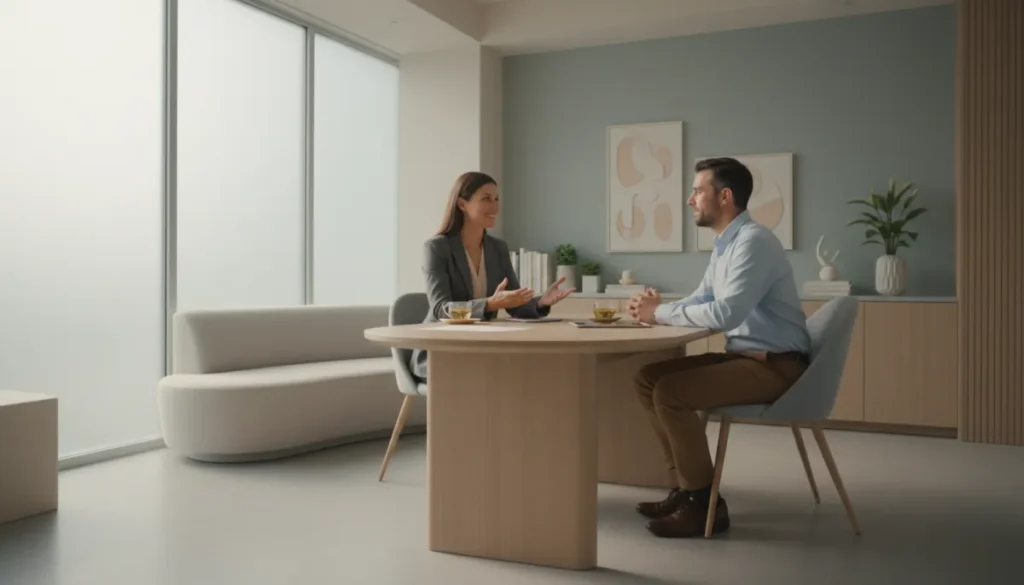
Integrated Medical Approaches: Medication and Therapy
Pharmacological treatment and psychotherapy remain the cornerstones of anxiety disorder depression treatment. Selecting the appropriate modality—or a combination of both—depends on symptom severity, patient preference, and any co‑existing medical conditions.
Medication options typically include:
- Selective serotonin reuptake inhibitors (SSRIs) – e.g., sertraline, escitalopram
- Serotonin‑norepinephrine reuptake inhibitors (SNRIs) – e.g., venlafaxine, duloxetine
- Buspirone for anxiety‑predominant cases
- Atypical antipsychotics as adjuncts for treatment‑resistant depression
Psychotherapeutic modalities encompass:
- Cognitive‑behavioral therapy (CBT) – focuses on restructuring negative thought patterns
- Dialectical behavior therapy (DBT) – emphasizes emotion regulation
- Interpersonal therapy (IPT) – addresses relationship dynamics contributing to mood disturbances
- Mindfulness‑based stress reduction (MBSR) – cultivates present‑moment awareness
The table below compares the primary benefits and considerations of medication versus therapy for combined anxiety and depression:
| Aspect | Medication | Therapie |
|---|---|---|
| Onset of Effect | 2–4 weeks for most antidepressants | 4–12 weeks for skill acquisition |
| Side‑Effect Profile | Potential nausea, sexual dysfunction, weight change | Generally low; emotional discomfort during sessions |
| Long‑Term Benefits | Reduces relapse risk when maintained | Improves coping skills and relapse prevention |
| Accessibility | Requires prescription; may involve insurance prior‑auth | Requires regular appointments; may be covered by mental‑health plans |
Evidence suggests that a combined approach—using both medication and psychotherapy—yields higher remission rates than either modality alone, especially for patients with moderate to severe symptomatology.
Lifestyle Interventions: Nutrition, Exercise, and Mindfulness
Beyond formal medical treatment, lifestyle modifications play a pivotal role in managing anxiety and depression. Incorporating healthy habits can enhance the efficacy of primary therapies and provide patients with additional tools for self‑care.
Key lifestyle strategies include:
- Balanced Nutrition: Diets rich in omega‑3 fatty acids, B vitamins, and antioxidants support brain health. Reducing caffeine and refined sugar can mitigate anxiety spikes.
- Regular Physical Activity: Aerobic exercise (e.g., brisk walking, cycling) releases endorphins, improves sleep, and reduces depressive symptoms. Aim for at least 150 minutes of moderate activity per week.
- Mindfulness-oefeningen: Daily meditation, deep‑breathing exercises, and progressive muscle relaxation lower cortisol levels and improve emotional regulation.
- Sleep Hygiene: Consistent sleep‑wake schedules, limiting screen time before bed, and creating a dark, quiet environment promote restorative sleep, essential for mood stability.
- Social Connection: Engaging in supportive relationships and community activities combats isolation, a known risk factor for both anxiety and depression.
Integrating these habits into a personalized plan can reduce reliance on medication, accelerate recovery, and sustain long‑term mental health.
Complementary Treatments: CBT, EMDR, and Emerging Therapies
In addition to conventional medication and psychotherapy, a growing number of complementary treatments have demonstrated efficacy for anxiety‑depression comorbidity. These options can be tailored to individual preferences and may address treatment‑resistant cases.
Prominent complementary modalities include:
- Cognitive‑Behavioral Therapy (CBT): Structured, short‑term therapy that challenges maladaptive thoughts and encourages behavioral activation.
- Eye Movement Desensitization and Reprocessing (EMDR): Particularly useful for trauma‑related anxiety and depression, EMDR facilitates adaptive information processing.
- Transcranial Magnetic Stimulation (TMS): Non‑invasive brain stimulation approved for major depressive disorder and showing promise for anxiety symptoms.
- Acupuncture and Yoga: These mind‑body practices can lower stress hormones and improve mood through gentle physical activity and breath control.
- Digital Therapeutics: Mobile apps delivering CBT modules, mood tracking, and guided relaxation have expanded access to evidence‑based care.
When selecting complementary treatments, clinicians assess compatibility with existing medication regimens, patient goals, and evidence strength. Integrating these therapies within an overall anxiety disorder depression treatment plan can enhance outcomes and patient satisfaction.
Why Choose Gold City Medical Center
Gold City Medical Center offers an integrative approach that combines cutting‑edge medical treatments with personalized wellness programs. Our multidisciplinary team includes psychiatrists, psychologists, nutritionists, and physiotherapists, all dedicated to delivering coordinated care for anxiety and depression. By blending evidence‑based medication, psychotherapy, and lifestyle coaching, we ensure each patient receives a comprehensive anxiety disorder depression treatment plan tailored to their unique needs. Trust our expertise to guide you toward lasting mental‑health recovery.
Ready to start your journey toward improved mental well‑being? Contact Gold City Medical Center today to schedule a confidential consultation and discover a treatment plan that works for you.
Take the first step—call us or fill out our online appointment form and experience compassionate, integrated care.
FAQ
What are the most effective medication options for treating both anxiety and depression?
SSRIs and SNRIs are first‑line medications that address both anxiety and depressive symptoms, often combined with therapy for best results.
How does cognitive‑behavioral therapy help with anxiety disorder depression treatment?
CBT restructures negative thought patterns and teaches coping skills, reducing both anxiety and depressive symptoms.
Can lifestyle changes such as exercise and nutrition improve symptoms of anxiety and depression?
Yes, regular physical activity, balanced nutrition, and good sleep hygiene can significantly lessen anxiety and depressive symptoms.
What is EMDR and how is it used for co‑occurring anxiety and depression?
EMDR is a trauma‑focused therapy that reprocesses distressing memories, often reducing anxiety and depressive symptoms.
How does Gold City Medical Center integrate medical and therapeutic approaches for anxiety and depression?
Gold City combines medication management, evidence‑based psychotherapy, and personalized lifestyle coaching within a multidisciplinary team.
What are common side effects of SSRIs when used for combined anxiety and depression treatment?
Typical SSRI side effects include nausea, sexual dysfunction, weight changes, and occasional insomnia or agitation.





