Female hair loss in 30s is a common concern that many women face as they navigate career, family, and personal health challenges. While hair thinning is often associated with aging, a noticeable reduction in hair density can begin as early as the third decade of life. This article explores the underlying causes, early warning signs, and the most effective treatment options tailored for women in their 30s. With an estimated 1 in 4 women experiencing some degree of hair thinning by age 35, recognizing the problem early can make a significant difference in outcomes.
We will examine hormonal influences, genetic predispositions, lifestyle factors, and medical conditions that contribute to hair loss. You will learn how to differentiate normal shedding from progressive thinning, and discover practical steps you can take to protect and restore your hair. Whether you are interested in medical therapies, cosmetic solutions, or preventive care, the information provided here will help you make informed decisions and feel confident about your hair health.
By the end of this guide, you will have a clear roadmap for addressing female hair loss in 30s, including when to seek professional help and what to expect from modern treatment approaches.
What Causes Hair Loss in Women in Their 30s
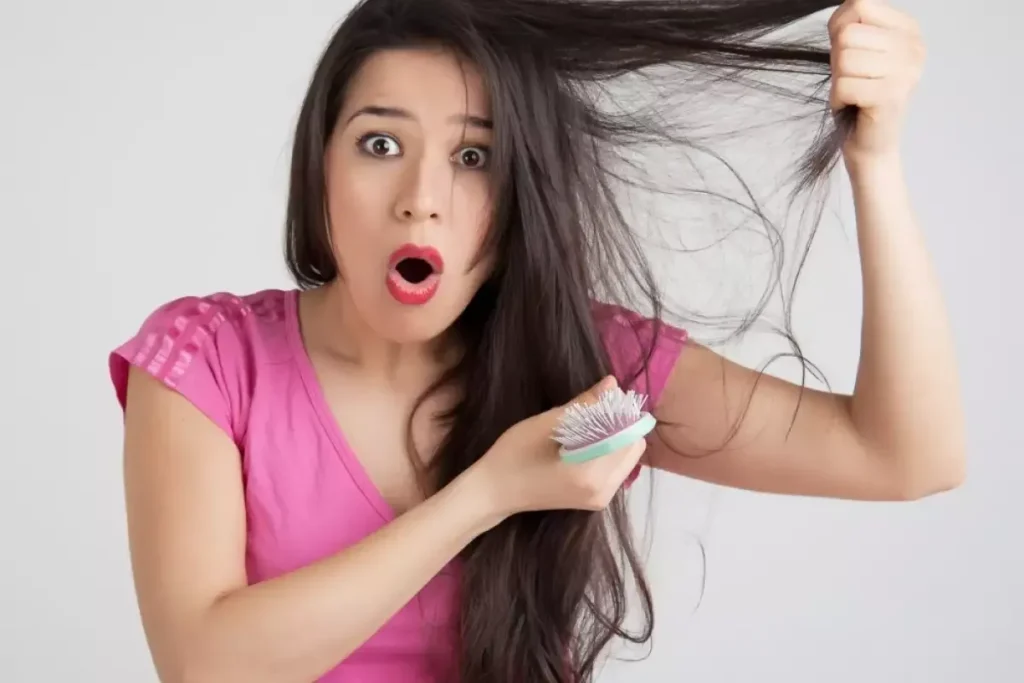
The onset of female hair loss in 30s can be traced to a combination of hormonal, genetic, and environmental factors. Understanding these triggers is essential for selecting the most appropriate intervention.
Hormonale factoren
Fluctuations in estrogen and progesterone levels during menstrual cycles, pregnancy, and postpartum periods can disrupt the hair growth cycle. Thyroid imbalances, particularly hypothyroidism, also play a significant role by prolonging the telogen (resting) phase, leading to increased shedding.
Genetische factoren
Androgenetic alopecia, often referred to as female pattern baldness, is hereditary. Women inherit a predisposition to hair follicle miniaturization, which typically manifests as diffuse thinning over the crown rather than a receding hairline. Although more common in men, the condition affects up to 30 % of women by the age of 40.
Lifestyle and Stress
Chronic stress triggers the release of cortisol, which can push hair follicles into the telogen phase, a condition known as telogen effluvium. Poor nutrition, especially deficiencies in iron, zinc, and biotin, further compromises hair strength and growth.
- Hormonal imbalances (estrogen, thyroid)
- Genetic predisposition (androgenetic alopecia)
- Chronic stress and cortisol elevation
- Nutrient deficiencies (iron, zinc, biotin)
- Harsh hair care practices (tight hairstyles, heat styling)
Identifying the root cause often requires a thorough medical evaluation, including blood tests and a detailed health history. Once the underlying issue is pinpointed, targeted treatments can be employed to halt or reverse the thinning process.
Recognizing the Early Signs of Thinning Hair
Spotting the first indicators of hair loss can prevent further progression and open the door to early treatment. Women often mistake normal shedding for a problem, but certain patterns signal that intervention may be needed.
| Normal Shedding | Early Thinning Signs |
|---|---|
| Up to 100 hairs per day | Noticeable widening of part line |
| Even distribution across scalp | Increased shedding after stress or illness |
| Hair regrows without gaps | Visible scalp in certain lighting |
Key visual cues include a widening part, reduced volume at the crown, and a feeling of increased hair on the pillow or in the shower. Women may also experience a sensation of “tightness” or itching, which can be a sign of inflammation associated with alopecia areata or traction alopecia.
- Widening part line or “bald” spot on the crown
- Increased hair on pillows or in the shower drain
- Scalp feels tighter or itchy
- Hair feels finer or less resilient
Early detection empowers you to explore non‑invasive options such as topical minoxidil, nutritional supplementation, and lifestyle modifications before resorting to surgical procedures.
Effective Treatment Options for Women in Their 30s
When addressing female hair loss in 30s, a personalized approach that combines medical, cosmetic, and lifestyle strategies yields the best results. Below is a comparison of the most commonly recommended treatments.
| Behandeling | Mechanism | Typical Duration | Potential Side Effects |
|---|---|---|---|
| Topical Minoxidil (2% or 5%) | Stimulates follicles, prolongs anagen phase | 4–6 months for visible improvement | Scalp irritation, unwanted facial hair |
| Low‑Level Laser Therapy (LLLT) | Increases blood flow, cellular activity | 3–6 months | Minimal; occasional eye strain |
| Platelet‑Rich Plasma (PRP) Injections | Growth factors promote follicle health | 3‑4 sessions over 6 months | Mild swelling, bruising |
| Hair Transplant (FUE or FUT) | Relocates healthy follicles to thinning area | One‑time procedure; 12‑month regrowth | Scarring, donor site discomfort |
| Nutritional Supplements (Biotin, Iron, Zinc) | Addresses deficiencies that hinder growth | 2–3 months for noticeable effect | Rare gastrointestinal upset |
Topical minoxidil remains the first‑line medical therapy, especially for diffuse thinning. Low‑level laser devices, either in‑clinic or home‑use, complement pharmacologic treatment by enhancing scalp circulation. For patients seeking a more regenerative approach, PRP injections have shown promising results in stimulating dormant follicles.
Surgical hair transplantation, performed by experienced specialists, offers a permanent solution for those with significant balding. The procedure is meticulously planned to match natural hair direction and density, ensuring a seamless appearance.
- Consult a dermatologist to confirm diagnosis
- Start with non‑invasive options (minoxidil, LLLT)
- Consider PRP if medical therapy is insufficient
- Explore hair transplant for lasting restoration
- Maintain a balanced diet rich in hair‑supporting nutrients
Preventive Care and Lifestyle Adjustments
Preventing further hair loss begins with everyday habits that support follicle vitality. While genetics cannot be altered, many external factors are within your control.
Voeding
A diet rich in protein, omega‑3 fatty acids, and essential vitamins (A, D, E, and B‑complex) provides the building blocks for strong hair. Iron‑rich foods such as lentils, spinach, and lean red meat are especially important for women, as iron deficiency is a leading cause of telogen effluvium.
Stress Management
Incorporating mindfulness practices—such as yoga, meditation, or regular aerobic exercise—helps lower cortisol levels, reducing the risk of stress‑induced shedding.
Gentle Hair Care
Avoid tight hairstyles that pull on the scalp, and limit heat styling tools to prevent follicle damage. Use sulfate‑free shampoos and conditioners that maintain scalp health without stripping natural oils.
- Eat a balanced diet with adequate protein and iron
- Include omega‑3 sources like fish and flaxseed
- Practice stress‑relief techniques daily
- Choose loose hairstyles and avoid excessive heat
- Use gentle, sulfate‑free hair products
Adopting these habits not only slows the progression of hair loss but also enhances the effectiveness of any medical or cosmetic treatments you may pursue.
Wanneer professionele hulp zoeken?
While mild thinning can often be managed with lifestyle changes, certain situations warrant prompt medical attention. Recognizing red‑flag symptoms ensures timely intervention and better outcomes.
| Red‑Flag Symptom | Possible Underlying Condition | Recommended Specialist |
|---|---|---|
| Sudden, patchy hair loss | Alopecia areata | Dermatologist |
| Scalp inflammation or pain | Folliculitis, scalp psoriasis | Dermatologist |
| Persistent shedding despite treatment | Hormonal imbalance, thyroid disorder | Endocrinologist |
| Significant thinning affecting self‑esteem | Androgenetic alopecia | Hair restoration surgeon |
Schedule a consultation if you notice any of the above symptoms, or if hair loss interferes with your daily confidence. A comprehensive evaluation—including blood work, scalp analysis, and possibly a biopsy—will guide a tailored treatment plan.
- Rapid or patchy hair loss
- Scalp redness, itching, or pain
- Unexplained weight changes or fatigue
- Family history of early baldness
- Desire for a permanent restoration solution
Professional guidance ensures that you receive evidence‑based therapies and avoid ineffective or potentially harmful DIY remedies.
Why Choose Gold City Medical Center
Gold City Medical Center combines cutting‑edge medical expertise with a holistic approach to hair health. Our multidisciplinary team offers personalized assessments, advanced treatments such as PRP and laser therapy, and state‑of‑the‑art hair transplantation performed by experienced surgeons. By integrating medical, cosmetic, and wellness services, we provide a comprehensive solution that addresses the root causes of female hair loss in 30s while supporting overall well‑being. Trust our commitment to safety, innovation, and patient‑centered care for lasting confidence.
Ready to reclaim fuller, healthier hair? Contact Gold City Medical Center today to schedule a personalized consultation and discover the most effective treatment plan for your needs.
Call us or fill out the online form—our specialists are here to guide you every step of the way.
FAQ
What are the common causes of hair loss in women in their 30s?
Hormonal changes, genetic predisposition, stress, and nutrient deficiencies are the main contributors.
How can I recognize early signs of thinning hair?
Look for a widening part, increased shedding, visible scalp, and finer hair texture.
What treatment options are most effective for female hair loss in the 30s?
Topical minoxidil, low‑level laser therapy, PRP injections, and lifestyle changes are first‑line options.
Can diet and lifestyle really prevent further hair loss?
Yes, a balanced diet, stress reduction, and gentle hair care can slow progression.
When should I see a dermatologist for hair loss?
Seek professional help if you notice sudden patchy loss, scalp inflammation, or persistent shedding despite treatment.





