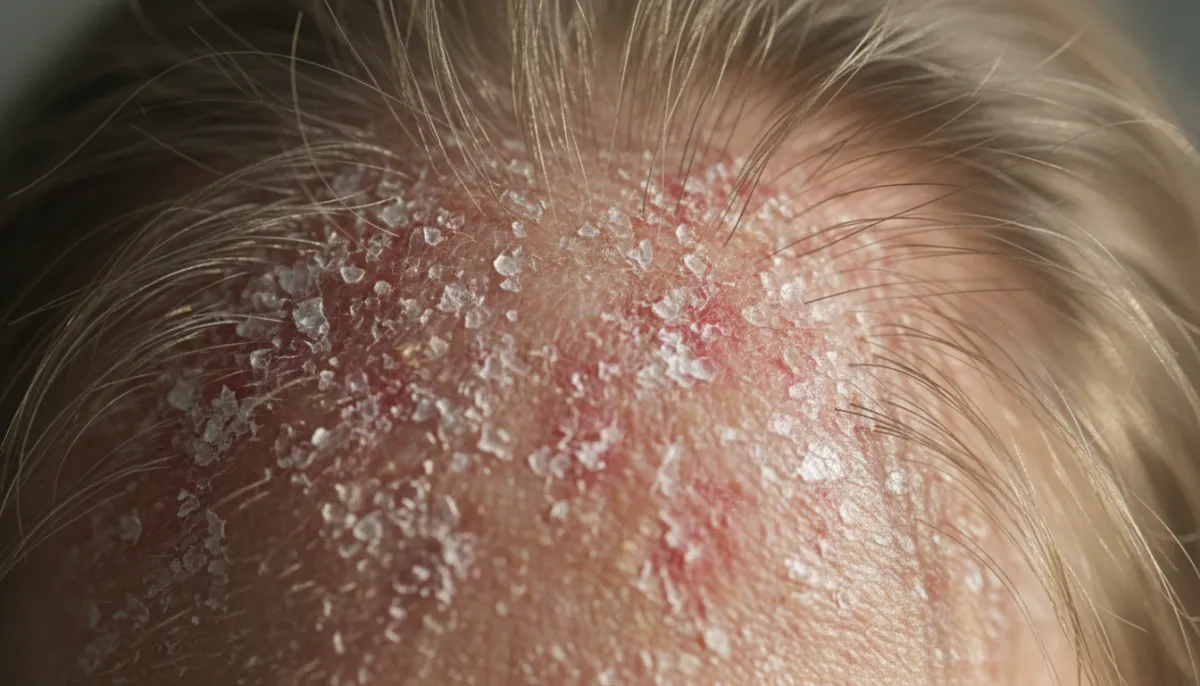
When a flaky scalp hair loss pattern emerges, many people assume it’s simply a cosmetic nuisance, but the reality is often more complex. An itchy, flaky scalp can signal underlying skin conditions that accelerate hair shedding, making early identification crucial for effective management.
Recent dermatological surveys indicate that up to 30% of individuals experiencing persistent dandruff also notice increased hair thinning within the first year. This link underscores why understanding the root causes is essential for anyone seeking to preserve hair density.
In this article we will explore the most common triggers behind a flaky scalp that leads to hair loss, outline diagnostic approaches used by specialists, review proven treatment strategies, and share practical preventive measures. Whether you are dealing with occasional flaking or a chronic scalp condition, the information here will help you make informed decisions about your scalp health.
Let’s begin by examining what drives the combination of scalp flaking and hair shedding, and how you can break the cycle before it impacts your confidence.
What Causes Flaky Scalp Hair Loss?
A flaky scalp does not develop in isolation; it often reflects an imbalance in the skin’s barrier, microbial flora, or hormonal environment. Below are the primary factors that can turn simple dandruff into a catalyst for hair loss.
Common Dermatological Conditions
- Seborrheic dermatitis – an inflammatory condition that produces oily, yellowish scales and can irritate hair follicles.
- Dandruff – caused by an overgrowth of Malassezia yeast, leading to dry, white flakes that may clog follicles.
- Folliculitis – bacterial infection of hair follicles that results in itchy bumps and potential follicle damage.
- Dry scalp – lack of natural oils, often exacerbated by harsh shampoos or low humidity.
Hormonal and Genetic Influences
Androgenetic alopecia (male or female pattern baldness) can coexist with scalp flaking, especially when excess sebum fuels yeast proliferation. Telogen effluvium, a stress‑related shedding phase, may also be triggered by chronic scalp irritation.
Environmental and Lifestyle Triggers
- Frequent heat styling or harsh chemical treatments that strip the scalp of moisture.
- Pollution and dust that accumulate on the scalp, worsening irritation.
- Stress and poor nutrition, which can impair skin barrier repair.
| Condition | Typical Flake Type | Potential Hair Impact |
|---|---|---|
| Seborroïsch eczeem | Oily, yellowish | Follicle inflammation → increased shedding |
| Dandruff (Malassezia) | Dry, white | Clogged follicles → temporary thinning |
| Dry Scalp | Fine, powdery | Reduced scalp health → slower growth |
| Folliculitis | Red, inflamed bumps | Permanent follicle damage if untreated |
Understanding which of these factors is at play is the first step toward stopping the cycle of flaking and hair loss.
How to Diagnose the Underlying Issue
Accurate diagnosis is essential because the treatment for dandruff differs significantly from that for seborrheic dermatitis or folliculitis. Dermatologists employ a combination of visual examination, patient history, and targeted tests.
Step‑by‑Step Diagnostic Process
- Clinical Scalp Examination – The specialist inspects the scalp for flake size, color, and distribution.
- Medical History Review – Questions about stress levels, diet, hair care products, and family history of alopecia.
- Wood’s Lamp Examination – UV light can highlight fungal overgrowth and differentiate between dry scalp and seborrheic dermatitis.
- Skin Scraping & Microscopy – Samples are examined under a microscope to identify yeast or bacterial presence.
- Blood Tests (if needed) – Assess hormonal imbalances or nutritional deficiencies that may contribute to hair loss.
Diagnostic Tools Comparison
| Tool | Purpose | What It Detects |
|---|---|---|
| Visual Exam | Initial assessment | Flake type, inflammation, pattern |
| Wood’s Lamp | Fluorescence detection | Malassezia overgrowth, pigment changes |
| Microscopy | Sample analysis | Yeast cells, bacterial colonies |
| Blood Panel | Systemic evaluation | Hormonal levels, iron, vitamin D |
By pinpointing the exact cause, clinicians can tailor a treatment plan that addresses both the flaking and the associated hair loss, reducing the risk of permanent follicle damage.
Effective Treatment Options for Flaky Scalp and Hair Loss
Once the cause is identified, treatment can be divided into three main categories: medicated therapy, topical care, and lifestyle adjustments. Combining approaches often yields the best results.
Medicated Therapies
- Antifungal Shampoos – Ketoconazole or selenium sulfide reduce Malassezia overgrowth, easing dandruff and seborrheic dermatitis.
- Corticosteroid Lotions – Low‑strength steroids calm inflammation in severe seborrheic dermatitis or eczema.
- Antibiotic Creams – Target bacterial folliculitis, preventing follicle scarring.
- Minoxidil – Encourages new hair growth, especially useful when telogen effluvium follows scalp irritation.
Topical and Natural Care
| Product | Key Ingredient | Benefit |
|---|---|---|
| Moisturizing Shampoo | Panthenol & Aloe Vera | Hydrates dry scalp, reduces flake formation |
| Scalp Serum | Tea Tree olie | Antimicrobial, soothing irritation |
| Leave‑in Conditioner | Argan Oil | Restores lipid barrier, supports hair shaft strength |
Integrative Approaches at Gold City Medical Center
Our clinic blends evidence‑based medicine with personalized care. Patients may receive platelet‑rich plasma (PRP) sessions to stimulate follicle activity, alongside prescription‑strength scalp treatments tailored to their diagnosis.
Consistent use of the appropriate therapy typically shows visible improvement within 4–6 weeks, with hair shedding decreasing dramatically once the scalp environment stabilizes.
Preventive Care and Lifestyle Tips
Long‑term scalp health hinges on daily habits that maintain moisture balance, minimize irritation, and support overall hair vitality.
Daily Scalp Hygiene
- Choose a gentle, sulfate‑free shampoo formulated for sensitive scalps.
- Limit washing to 2–3 times per week to preserve natural oils.
- Massage the scalp lightly to improve blood flow without over‑scratching.
Nutrition and Supplements
Essential nutrients such as zinc, biotin, omega‑3 fatty acids, and vitamin D play a role in skin barrier repair and hair growth. Incorporating foods like fatty fish, nuts, leafy greens, and fortified dairy can bolster scalp resilience.
Stress Management
Chronic stress elevates cortisol, which can exacerbate seborrheic dermatitis and trigger telogen effluvium. Practices like mindfulness meditation, regular exercise, and adequate sleep are valuable preventive tools.
Environmental Protection
- Wear a hat or UV‑protective scarf when exposed to strong sunlight.
- Use a humidifier in dry indoor environments to prevent scalp dehydration.
- Avoid excessive use of heat styling tools; opt for air‑drying when possible.
By integrating these habits, most individuals can keep flaking at bay and reduce the risk of hair loss progressing to a more serious condition.
When to Seek Professional Help at Gold City Medical Center
If you notice persistent flaking accompanied by noticeable hair thinning, it’s time to consult a specialist. Early intervention can prevent permanent follicle damage and improve treatment outcomes.
Red‑Flag Symptoms
- Rapid increase in hair shedding (more than 100 hairs per day).
- Red, swollen, or oozing patches on the scalp.
- Persistent itching that interferes with daily activities.
- Signs of infection such as pus or foul odor.
Our multidisciplinary team evaluates each case thoroughly, using the diagnostic steps outlined earlier, and crafts a personalized plan that may include advanced therapies like PRP, laser scalp stimulation, or surgical hair transplantation when appropriate.
Contact Gold City Medical Center today to schedule a comprehensive scalp assessment and take the first step toward a flake‑free, fuller head of hair.
Why Choose Gold City Medical Center
Gold City Medical Center combines cutting‑edge medical expertise with a holistic approach to scalp and hair health. Our team of dermatologists, trichologists, and cosmetic specialists works together to deliver tailored treatments that address the root cause of flaky scalp hair loss. With state‑of‑the‑art facilities, evidence‑based protocols, and a commitment to patient comfort, we help you achieve lasting results and renewed confidence.
Ready to restore a healthy scalp and fuller hair? Book your personalized consultation today and let our experts design a treatment plan just for you.
Call us or use our online portal to secure your appointment – your journey to healthier hair starts now.
FAQ
What are the main causes of flaky scalp hair loss?
Flaky scalp hair loss is usually triggered by conditions like seborrheic dermatitis, dandruff caused by Malassezia yeast, folliculitis, dry scalp, hormonal factors, and environmental irritants.
How do dermatologists diagnose flaky scalp conditions that cause hair loss?
They use a visual scalp exam, patient history, Wood’s lamp examination, skin scraping with microscopy, and sometimes blood tests to pinpoint the exact cause.
What medicated therapies are effective for treating flaky scalp and hair loss?
Antifungal shampoos, low‑strength corticosteroid lotions, antibiotic creams, and minoxidil are commonly prescribed.
Which natural or topical products help maintain a healthy scalp?
Moisturizing shampoos with panthenol or aloe, tea‑tree oil scalp serums, and argan‑oil leave‑in conditioners are beneficial.
What lifestyle changes can prevent flaky scalp and related hair loss?
Adopt gentle hair‑care habits, eat nutrient‑rich foods, manage stress, protect the scalp from UV and dry air, and limit heat styling.
When should someone seek professional help for flaky scalp hair loss?
If flaking is persistent and accompanied by rapid shedding, red or oozing patches, severe itching, or signs of infection, a dermatologist should be consulted.





