Glycolic acid peel is one of the most popular chemical peel treatments for achieving smoother, brighter skin. It uses a gentle alpha‑hydroxy acid (AHA) derived from sugar cane to dissolve dead skin cells, stimulate collagen, and improve texture. Whether you struggle with fine lines, uneven tone, or mild acne scarring, a glycolic acid peel can offer noticeable improvement with minimal downtime.
In the Netherlands, more than 12 % of cosmetic dermatology patients opt for an AHA‑based peel each year, underscoring its reputation for safety and effectiveness. This article explains how the treatment works, how to choose the right strength, what to expect before and after the procedure, and why Gold City Medical Center stands out as a leading provider.
We’ll also address common myths, safety considerations, and practical aftercare tips so you can make an informed decision and enjoy lasting results.
How Glycolic Acid Peels Work on the Skin
Glycolic acid, the smallest AHA molecule, penetrates the epidermis quickly, loosening the bonds between dead skin cells. This accelerated exfoliation reveals fresh, healthier skin underneath and triggers a mild inflammatory response that boosts collagen synthesis. The result is a smoother surface, reduced hyperpigmentation, and a subtle lift in fine lines.
The process can be broken down into three stages:
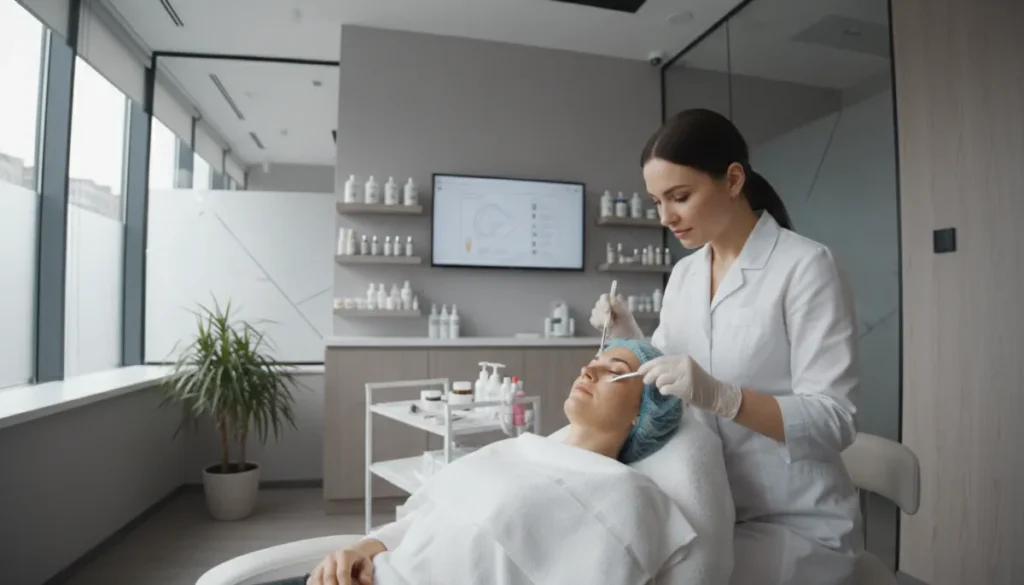
- Application: The clinician applies a calibrated solution, typically ranging from 20 % to 70 % concentration, depending on the desired depth.
- Reaction: Within minutes, the acid creates a controlled “frosting” effect, indicating the peel is active.
- Neutralisation and Recovery: After the prescribed time, the solution is neutralised, and the skin begins to regenerate.
Compared with other chemical peel types, glycolic acid offers a balance of efficacy and tolerability, making it suitable for both first‑time users and those seeking regular maintenance.
| Peel Type | Typical Concentration | Depth of Penetration | Downtime | Ideal Concerns |
|---|---|---|---|---|
| Glycolic Acid Peel | 20 %–70 % | Superficial to Light | 1–3 days | Fine lines, mild hyperpigmentation, texture |
| Salicylic Acid Peel | 10 %–30 % | Superficial | 1–2 days | Acne, oily skin |
| Phenol Peel | 15 %–20 % | Deep | 2–4 weeks | Severe wrinkles, deep scars |
Choosing the Right Glycolic Acid Peel Strength for Your Skin Type
The effectiveness of a glycolic acid peel largely depends on selecting a concentration that matches your skin’s tolerance and the specific concerns you wish to address. Light peels (20 %–30 %) are ideal for beginners, while medium‑strength peels (35 %–50 %) target more pronounced discoloration and fine lines. Deep peels (above 50 %) should be performed only by experienced dermatologists and are reserved for significant texture issues.
Below is a quick guide to help you decide:
- Normal to Combination Skin: Start with a 20 %–30 % light peel; progress to 35 % after a few sessions if needed.
- Dry or Sensitive Skin: Opt for a lower concentration (15 %–25 %) and ensure thorough moisturisation post‑treatment.
- Oily or Acne‑Prone Skin: A 30 %–40 % medium peel can help control excess sebum and reduce acne scarring.
- Experienced Users: A 45 %–55 % medium‑deep peel may be considered under close supervision for stubborn hyperpigmentation.
| Skin Type | Recommended Concentration | Frequency | Typical Results Timeline |
|---|---|---|---|
| Normal / Combination | 20 %–30 % | Every 4–6 weeks | 2–4 weeks for smoother texture |
| Dry / Sensitive | 15 %–25 % | Every 6–8 weeks | 3–5 weeks for reduced redness |
| Oily / Acne‑Prone | 30 %–40 % | Every 4 weeks | 1–3 weeks for clearer pores |
| Experienced / Severe Discoloration | 45 %–55 % | Every 8–12 weeks | 4–6 weeks for noticeable brightening |
Preparing for Your Glycolic Acid Peel Appointment
Proper preparation maximises the safety and effectiveness of the peel. Your dermatologist will review your medical history, current skincare routine, and any recent procedures to tailor the treatment.
Key pre‑peel steps include:
- Discontinue Retinoids: Stop using retinol or prescription retinoic acid at least 48 hours before the appointment.
- Avoid Sun Exposure: Limit direct UV exposure and use a broad‑spectrum sunscreen (SPF 30+) for at least two weeks prior.
- Hydrate Your Skin: Apply a gentle, fragrance‑free moisturizer daily to strengthen the skin barrier.
- Skip Harsh Exfoliants: Refrain from physical scrubs or strong acids (e.g., salicylic or glycolic at home) for a week before.
- Consult a Dermatologist: Discuss any medications, such as isotretinoin or blood thinners, that could affect healing.
During the consultation, the clinician will also discuss the expected chemical peel before and after appearance, set realistic expectations, and answer any questions about post‑procedure care.
Aftercare and Expected Results of Glycolic Acid Peels
After the peel, the skin will feel slightly tight and may exhibit a mild redness or flaking, similar to a mild sunburn. This is a normal part of the regeneration process.
Essential aftercare guidelines:
- Gentle Cleansing: Use a mild, sulfate‑free cleanser for the first week.
- Moisturise Frequently: Apply a hyaluronic‑acid‑based moisturizer to support healing.
- Sun Protection: Wear a broad‑spectrum sunscreen (SPF 50) and limit direct sunlight for at least two weeks.
- Avoid Makeup: Skip heavy cosmetics for 24‑48 hours; opt for non‑comedogenic products thereafter.
- No Picking: Allow the skin to shed naturally; picking can cause scarring.
Most patients notice smoother texture and a subtle glow within 3–5 days. Full results, such as reduced hyperpigmentation or softened fine lines, typically become evident after 2–4 weeks as collagen remodels.
Regular maintenance peels, spaced 4–6 weeks apart, can sustain the benefits and further improve skin clarity over time.
Common Myths and Safety Considerations
Despite its popularity, several misconceptions persist about glycolic acid peels. Clarifying these helps you decide confidently.
Myth 1: “Glycolic acid peels are the same as at‑home AHA products.” Professional peels use higher concentrations and are applied under medical supervision, ensuring uniform coverage and immediate neutralisation if needed.
Myth 2: “Peels cause permanent skin damage.” When performed by a qualified dermatologist, the risk of scarring or hyperpigmentation is low. Proper pre‑ and post‑care further minimises complications.
Myth 3: “You can combine glycolic acid with other acids simultaneously.” Stacking strong acids (e.g., glycolic with salicylic or benzoic) can irritate the skin. It’s best to use one active at a time and follow professional guidance.
Safety tips include:
- Confirm that you are not pregnant, nursing, or taking photosensitising medications.
- Schedule the peel at least one week before any major social event to allow for mild redness to subside.
- Report any unusual reactions—such as prolonged burning, swelling, or infection—to your practitioner promptly.
By understanding the science and adhering to professional advice, you can enjoy the rejuvenating effects of a glycolic acid peel safely.
Why Choose Gold City Medical Center for Your Glycolic Acid Peel
Gold City Medical Center combines cutting‑edge dermatological expertise with a holistic approach to beauty. Our certified specialists customise each glycolic acid peel to your unique skin profile, ensuring optimal results with minimal discomfort. State‑of‑the‑art facilities, strict hygiene protocols, and a commitment to patient education make us a trusted destination for safe, effective skin rejuvenation.
Ready to reveal smoother, brighter skin? Book a consultation with our experienced team today and discover the personalized benefits of a professional glycolic acid peel.
Contact us now to schedule your appointment and take the first step toward radiant confidence.
FAQ
What is a glycolic acid peel and how does it work?
A glycolic acid peel is a chemical exfoliation treatment that uses an alpha‑hydroxy acid to dissolve dead skin cells and stimulate collagen production.
How do I choose the right glycolic acid peel strength for my skin type?
Select a concentration based on your skin’s tolerance and specific concerns—light (20‑30%) for beginners, medium (35‑50%) for moderate issues, and deep (above 50%) only with a dermatologist.
What should I do to prepare for a glycolic acid peel appointment?
Stop retinoids, avoid sun exposure, keep skin hydrated, skip harsh exfoliants, and discuss any medications with your dermatologist.
What are the aftercare steps and expected results after a glycolic acid peel?
Use gentle cleansers, moisturise frequently, protect from sun, avoid makeup for 24‑48 hours, and expect a glow within days and full results in 2‑4 weeks.
Are there common myths or safety concerns about glycolic acid peels?
Yes—myths include that professional peels are the same as at‑home AHA products, that they cause permanent damage, and that multiple acids can be stacked safely.
How often should I schedule glycolic acid peels for maintenance?
Light peels are typically repeated every 4‑6 weeks, while medium peels can be done every 4 weeks; deep peels are spaced 8‑12 weeks apart.
Can glycolic acid peels be combined with other skincare treatments?
They can be combined, but only under professional guidance; typically, you should avoid using other strong acids or retinoids immediately before or after the peel.





