When you search for hair graft pictures, you’re looking for visual proof of what a successful hair restoration can look like. These images are more than just marketing material—they help prospective patients gauge realistic outcomes, compare techniques, and set expectations for their own journey. In this article we will break down the role of photography in hair graft procedures, explain how to interpret before‑and‑after photos, and show why Gold City Medical Center’s approach stands out in the field.
According to recent surveys, over 70% of individuals considering a hair transplant rely heavily on visual evidence before making a decision. The clarity and honesty of these pictures can influence confidence, reduce anxiety, and ultimately improve satisfaction with the final result. Whether you’re curious about a hairline transplant, a full scalp restoration, or a beard transplant before and after, understanding the nuances of the images is essential.
We’ll explore the technical aspects of capturing hair graft images, highlight the key indicators that signal a successful procedure, and provide practical tips for evaluating the authenticity of the visuals you encounter online. By the end of this guide, you’ll be better equipped to judge the quality of hair graft pictures and make an informed choice about your own treatment plan.
How Hair Graft Photography Captures the Process
Professional photographers use a standardized setup to ensure consistency across all stages of a hair graft procedure. Lighting, angle, and background are meticulously controlled so that differences between before and after images are attributable solely to the treatment itself. Most clinics employ a combination of high‑resolution digital cameras and macro lenses to capture fine details such as follicular density and hair shaft thickness.
Key elements of a reliable photo session include:
- Consistent lighting: Soft, diffused light eliminates shadows that could exaggerate or hide hair coverage.
- Fixed camera distance: Maintaining the same distance and focal length ensures accurate comparison.
- Neutral background: A plain, non‑reflective backdrop highlights the scalp without visual distractions.
- Standardized head position: Patients are photographed with the head straight and hair styled in a natural, unaltered way.
These protocols are especially important for procedures like FUE hair transplant Turkey where the grafts are harvested individually. The resulting images often showcase a dense, natural‑looking hairline that mimics the original growth pattern.
Clinics that specialize in turkish hair transplant often provide a series of images taken at multiple intervals—pre‑procedure, immediate post‑procedure, three months, six months, and one year. This timeline helps patients visualize the gradual growth of transplanted follicles and set realistic expectations for the healing process.
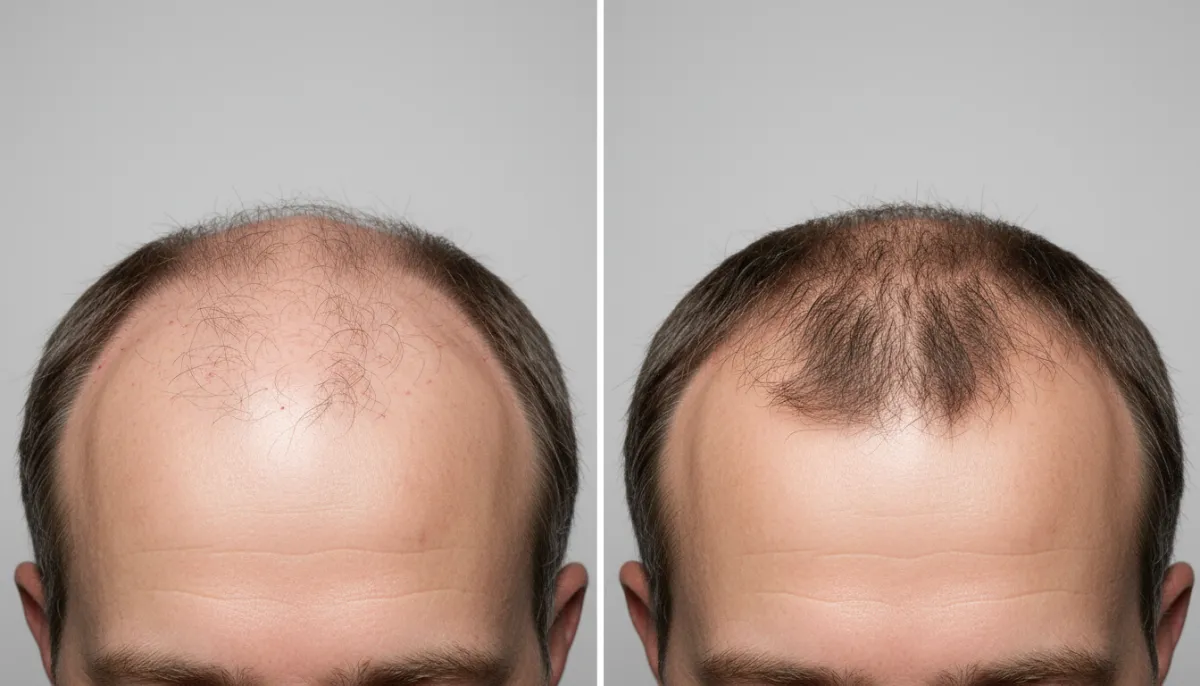
Interpreting Before and After Images: Key Indicators
Not all hair graft pictures are created equal. To assess the credibility of the results, focus on several objective criteria that reveal the true efficacy of the treatment.
Follicular Density
Density is measured in grafts per square centimeter. In high‑quality images, you can see a uniform distribution of hair across the treated area. Look for a gradual increase in density from the edges of the graft zone toward the center, indicating a natural growth pattern.
Hairline Design
A well‑designed hairline follows the patient’s natural hair pattern and facial proportions. Images should show a soft, feathered front edge rather than a sharp, unnatural line. The hairline transplant technique often results in a more refined edge compared to older strip methods.
Scalp Visibility
In the early months, some scalp may still be visible. Authentic hair transplant before and after photos will display this transitional phase, whereas overly edited images may conceal any remaining bald spots.
Color Consistency
Hair grafts should match the existing hair’s color and texture. Discrepancies can signal the use of synthetic fibers or poor graft selection. Look for natural shading and the presence of both fine and thick hairs.
| Indicator | What to Look For | Common Red Flags |
|---|---|---|
| Follicular Density | Uniform increase, visible grafts | Uneven patches, sudden density spikes |
| Hairline Design | Soft, natural curve | Sharp, straight line |
| Scalp Visibility | Gradual reduction over time | Immediate full coverage (possible editing) |
| Color Consistency | Matches natural hair tone | Noticeable color mismatch |
By applying these checks, you can differentiate genuine results from promotional exaggerations. Remember that authentic hair transplant images before and after will often show incremental progress rather than a perfect, instant transformation.
Common Questions About Hair Graft Results
Prospective patients often have similar concerns when reviewing hair graft pictures. Below we address the most frequently asked questions, drawing on clinical experience and patient feedback.
- How long does it take to see visible results? Most patients notice initial growth at three months, with significant density improvement by six to twelve months.
- Can I expect the same results as shown in the photos? Individual outcomes vary based on factors such as donor hair quality, scalp health, and post‑procedure care.
- Are the pictures edited? Reputable clinics provide raw, unedited images with consistent lighting. Any heavy retouching should be disclosed.
- What is the difference between FUE and FUT in pictures? FUE (Follicular Unit Extraction) often yields smaller, less noticeable scars, while FUT (Follicular Unit Transplantation) may show a linear scar that is hidden in the final images.
Understanding the timeline of hair growth helps set realistic expectations. For example, a hairline transplant performed in Istanbul may show a subtle improvement at three months, but the final aesthetic is usually achieved after 12‑18 months of maturation.
Another common query involves the durability of results. While hair grafts for men typically last a lifetime, ongoing maintenance—such as proper scalp hygiene and occasional medication—can preserve the transplanted hair’s vitality.
Choosing the Right Clinic: What Images Reveal
The authenticity of hair graft pictures can be a decisive factor when selecting a clinic. High‑quality images reflect a clinic’s commitment to transparency, technical expertise, and patient satisfaction.
Clinic Reputation and Certifications
Look for clinics that display certifications from recognized bodies such as the International Society of Hair Restoration Surgery (ISHRS). Accredited facilities often adhere to strict photographic standards.
Volume of Cases Documented
A robust gallery with a variety of hair loss patterns—receding hairline, crown thinning, and even beard transplants—indicates extensive experience. Clinics specializing in turkish hair transplant often have large archives due to the high demand in that region.
Patient Testimonials Paired with Images
When photos are accompanied by detailed patient stories, you gain insight into the overall experience, from consultation to recovery. Genuine testimonials will discuss both the visual results and the care received throughout the process.
| Feature | What It Indicates | Why It Matters |
|---|---|---|
| Standardized Photo Protocol | Consistent lighting, angle, background | Ensures true before‑after comparison |
| Certified Surgeons | ISHRS or equivalent credentials | Demonstrates professional expertise |
| Comprehensive Gallery | Multiple hair loss types, timelines | Shows breadth of experience |
| Patient Stories | Real‑world outcomes and satisfaction | Builds trust and sets realistic expectations |
By scrutinizing these aspects, you can differentiate a reputable provider from those that rely on overly edited or selective images. Remember, a trustworthy clinic will welcome inquiries about their photographic process and provide unaltered pictures upon request.
Maintaining Results: Post‑Procedure Care
Even the most impressive hair graft pictures can be undermined by inadequate aftercare. Proper post‑procedure protocols help preserve graft integrity, promote healthy growth, and extend the longevity of the results.
Immediate Post‑Op Recommendations
- Avoid direct sunlight and harsh wind for the first two weeks.
- Use a gentle, sulfate‑free shampoo as advised by your surgeon.
- Refrain from strenuous physical activity that may increase scalp pressure.
Long‑Term Maintenance
Maintaining a healthy scalp environment is crucial. Regular scalp massages can improve blood circulation, while a balanced diet rich in vitamins (especially biotin, vitamin D, and iron) supports hair follicle health. Some patients benefit from medically approved treatments such as minoxidil or PRP (Platelet‑Rich Plasma) therapy to enhance graft survival.
Monitoring Progress Through Photography
Continuously documenting your own progress with standardized photos helps you track improvements and identify any concerns early. Follow the same lighting and positioning guidelines used during the clinic’s initial sessions to ensure consistency.
Finally, schedule routine follow‑up appointments with your surgeon. These visits allow the medical team to assess graft growth, address any complications, and provide personalized advice for long‑term care.
Why Choose Gold City Medical Center
Gold City Medical Center combines cutting‑edge technology with a patient‑focused approach to deliver reliable hair restoration outcomes. Our team of board‑certified surgeons specializes in both FUE hair transplant Turkey and advanced hairline transplant techniques, ensuring natural‑looking results tailored to each individual.
We prioritize transparency by providing unedited hair graft pictures at every stage of the treatment journey. Our state‑of‑the‑art photography studio guarantees consistent lighting and positioning, allowing you to track progress accurately. With a commitment to safety, we adhere to strict hygiene protocols and employ minimally invasive methods that reduce recovery time.
Choosing Gold City Medical Center means partnering with a trusted provider that values both aesthetic excellence and long‑term health. Our integrated services also include comprehensive aftercare, nutritional guidance, and optional PRP therapy to maximize graft survival.
Ready to see real results for yourself? Contact Gold City Medical Center today to schedule a personalized consultation and receive a complete set of authentic hair graft pictures from previous patients.
Take the first step toward a confident new look—your journey starts here.
FAQ
How long does it take to see visible results?
Most patients notice initial hair growth around three months, with significant density improvement by six to twelve months.
Can I expect the same results as shown in the photos?
Individual outcomes vary; photos illustrate typical results but personal factors influence the final appearance.
Are the pictures edited?
Reputable clinics provide raw, unedited images with consistent lighting; heavy retouching should be disclosed.
What is the difference between FUE and FUT in pictures?
FUE images often display minimal scarring, while FUT may show a linear scar that can be hidden in the final shots.
What should I look for when evaluating hair graft pictures?
Check for consistent lighting, natural hairline design, uniform follicular density, scalp visibility, and color matching.





