Inzicht in de stages of hair growth after chemotherapy can bring hope to patients navigating post‑treatment recovery. While hair loss is one of the most visible side effects of cancer therapy, the regrowth process follows a predictable pattern that many find reassuring. In this article we explore the typical timeline, what each phase looks like, and practical ways to support healthy regrowth.
Approximately 65 % of patients experience some degree of chemo‑induced hair loss, yet most regain hair within a year. Knowing when to expect new strands can reduce anxiety and help you plan appropriate care. We’ll also address common concerns such as “how long does it take for hair to grow back” and discuss why some individuals notice texture changes, like “chemo curls,” during the regrowth period.
By the end of this guide you’ll have a clear picture of the hair growth journey, from the first fine vellus hairs to the return of your natural texture, and you’ll be equipped with evidence‑based tips to nurture your scalp along the way.
Understanding Chemotherapy‑Induced Hair Loss
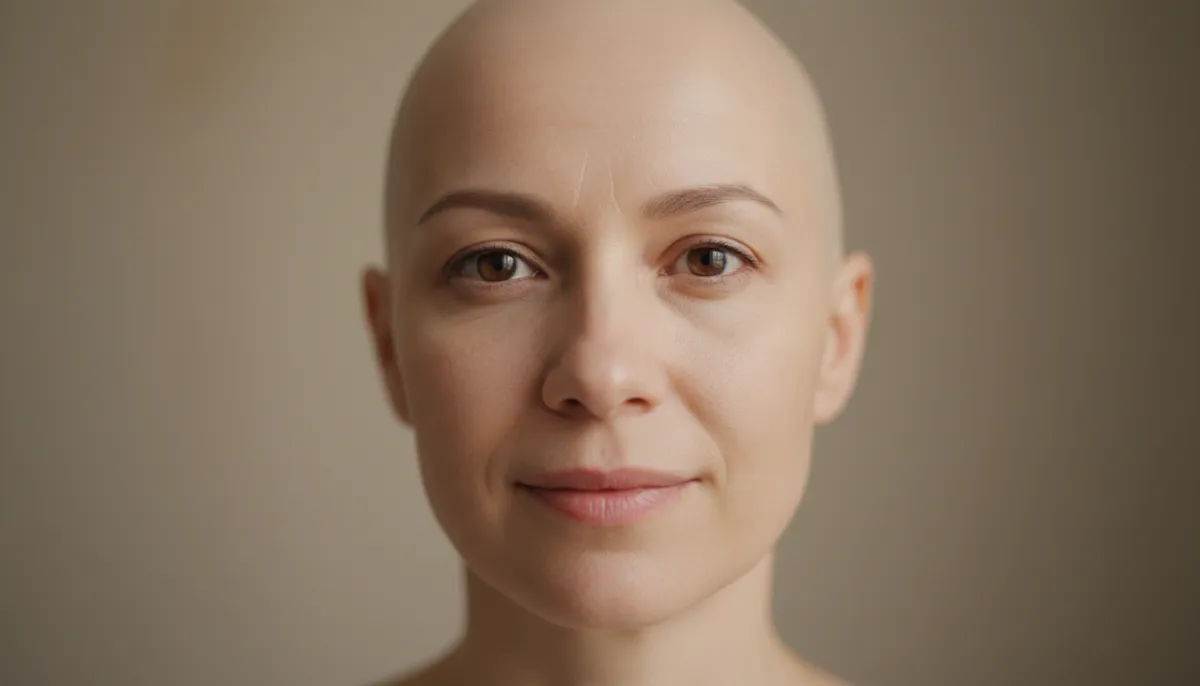
Chemotherapy targets rapidly dividing cells, which unfortunately includes hair follicle cells. This disruption leads to the shedding of existing hair and a temporary halt in new growth. The degree of hair loss varies depending on the drugs used, dosage, and individual factors such as age and overall health.
Commonly asked questions include “does chemotherapy cause hair loss” and “does radiation cause hair loss.” While both treatments can affect hair, chemotherapy typically produces more rapid and widespread shedding. Understanding the underlying mechanism helps patients anticipate the next steps in their recovery.
Key points to remember:
- Hair follicles enter a resting phase (telogen) during treatment.
- Shedding usually begins 2–3 weeks after the first chemo cycle.
- Not all patients lose all their hair; some experience thinning rather than complete loss.
| Factor | Impact on Hair Loss |
|---|---|
| Chemotherapy drug class | High‑dose alkylating agents → greater loss |
| Radiation therapy | Localized loss if the scalp is irradiated |
| Leeftijd | Older patients may experience slower regrowth |
The Typical Timeline: From Shedding to New Growth
The first visible sign that hair is returning is the appearance of fine, soft hairs known as vellus hairs. This usually occurs 3–4 months after the last chemotherapy session. While these hairs are thin, they signal that the follicles have re‑entered the growth phase (anagen).
Patients often wonder “how long does it take for hair to grow back” and the answer depends on the individual’s biology and the chemotherapy regimen. On average:
- Month 1–2: Complete shedding, scalp may feel itchy.
- Month 3–4: Emergence of vellus hairs.
- Month 5–7: Transition to thicker, pigmented hairs.
- Month 8–12: Near‑full restoration of natural density and texture.
During this period, it’s normal to notice “chemo curls” or changes in hair texture. The new hair may initially be curlier or straighter than before treatment, gradually normalizing as the follicles mature.
What to Expect in Each Growth Stage
Each stage of regrowth brings its own characteristics and care considerations. Below is a breakdown of what patients typically notice.
1. The Vellus Phase
Vellus hairs are short, fine, and often lighter in color. They appear as a soft fuzz on the scalp. While they may not provide full coverage, their presence confirms that follicles are active. Gentle scalp massage can stimulate blood flow, encouraging thicker growth.
2. The Transition Phase
Within weeks, vellus hairs begin to thicken and darken. This is the “hair growth after chemo” phase that many patients look forward to. The hair may feel slightly coarse as melanin production resumes.
3. The Maturation Phase
By the eighth month, the majority of hair strands have regained their natural thickness and texture. Some patients experience “chemo curls” during this stage, which often resolve over time. Patience is key, as the hair’s structural proteins need time to fully rebuild.
4. The Maintenance Phase
At one year post‑treatment, most individuals achieve near‑baseline hair density. Ongoing scalp health, proper nutrition, and gentle styling support long‑term results.
Each of these phases aligns with the broader concept of the stages of hair growth after chemotherapy, offering a roadmap for patients and caregivers alike.
Supporting Hair Regrowth: Tips and Treatments
While the body’s natural processes drive regrowth, several supportive measures can enhance outcomes. Below are evidence‑based recommendations.
- Nutrition: Protein‑rich foods, omega‑3 fatty acids, and biotin‑containing foods (eggs, nuts, fish) provide building blocks for keratin synthesis.
- Scalp care: Use a mild, sulfate‑free shampoo and avoid harsh chemicals. Gentle massage with the fingertips can improve circulation.
- Minimize heat: Limit the use of blow dryers, straighteners, and curling irons during the first six months to prevent breakage.
- Medical options: Low‑level laser therapy (LLLT) and platelet‑rich plasma (PRP) have shown promise in accelerating regrowth for some patients.
- Stress management: Practices such as mindfulness, yoga, or gentle exercise support overall healing and may reduce hair‑related anxiety.
For those asking “what helps hair growth after chemo,” these strategies address both the physiological and emotional aspects of recovery. Always consult your oncologist before starting any supplement or treatment, especially if you are still undergoing maintenance therapy.
Wanneer professionele hulp zoeken?
Most patients experience satisfactory regrowth without medical intervention, but certain scenarios warrant professional evaluation.
Consider consulting a dermatologist or a hair‑restoration specialist if you notice:
- Persistent bald patches beyond 12 months post‑treatment.
- Signs of scalp infection, severe itching, or inflammation.
- Rapid hair loss that seems unrelated to chemotherapy (possible medication side effect).
- Desire for accelerated regrowth through advanced therapies such as hair transplantation.
At Gold City Medical Center, our integrative approach combines medical expertise with aesthetic care, ensuring you receive personalized guidance tailored to your unique situation.
Why Choose Gold City Medical Center
Gold City Medical Center offers a comprehensive, integrative suite of services that address both medical and cosmetic concerns. Our team of experienced oncologists, dermatologists, and hair‑restoration specialists collaborates to provide personalized treatment plans, from post‑chemotherapy care to advanced hair‑transplant procedures. With a focus on patient comfort, evidence‑based therapies, and aesthetic excellence, we help you regain confidence and achieve lasting results.
Ready to support your hair’s natural recovery journey? Contact Gold City Medical Center today to schedule a personalized consultation and explore the best options for your post‑chemotherapy care.
FAQ
How long does it take for hair to grow back after chemotherapy?
Hair typically begins to regrow within 3–4 months, with near‑full density reached by 8–12 months after treatment.
What are the stages of hair regrowth after chemo?
The process includes the vellus phase, transition phase, maturation phase, and maintenance phase.
What can I do to support hair regrowth after chemotherapy?
Focus on nutrition, gentle scalp care, avoid heat, consider medical options, and manage stress.
When should I see a dermatologist for hair loss after chemo?
If bald patches persist beyond 12 months, you have scalp infection, or experience unexpected rapid loss.
Why does my hair become curly after chemotherapy?
Chemotherapy can temporarily alter the hair shaft’s protein structure, leading to texture changes such as curls.
Is low‑level laser therapy effective for post‑chemo hair growth?
LLLT has shown modest benefits for some patients, but results vary.





