Many people wonder how to get rid of dark spots and achieve a more even complexion, but the path to clearer skin often feels confusing. Dark spots—whether they appear as liver spots, age spots, or post‑inflammatory hyperpigmentation—can affect confidence and signal underlying skin health issues. Understanding the root causes and the range of treatment options empowers you to make informed choices.
Recent studies show that up to 70 % of adults notice some form of skin discoloration by the age of 40, highlighting how common this concern is. Whether the spots are triggered by sun exposure, hormonal changes, or past acne lesions, the good news is that modern dermatology offers both topical and professional solutions that can dramatically improve skin tone.
In this article we will explore the science behind dark spots, review effective over‑the‑counter ingredients, compare professional procedures, and share natural remedies and preventive habits. By the end, you’ll have a clear roadmap for how to get rid of dark spots safely and sustainably.
Donkere vlekken en de oorzaken ervan begrijpen
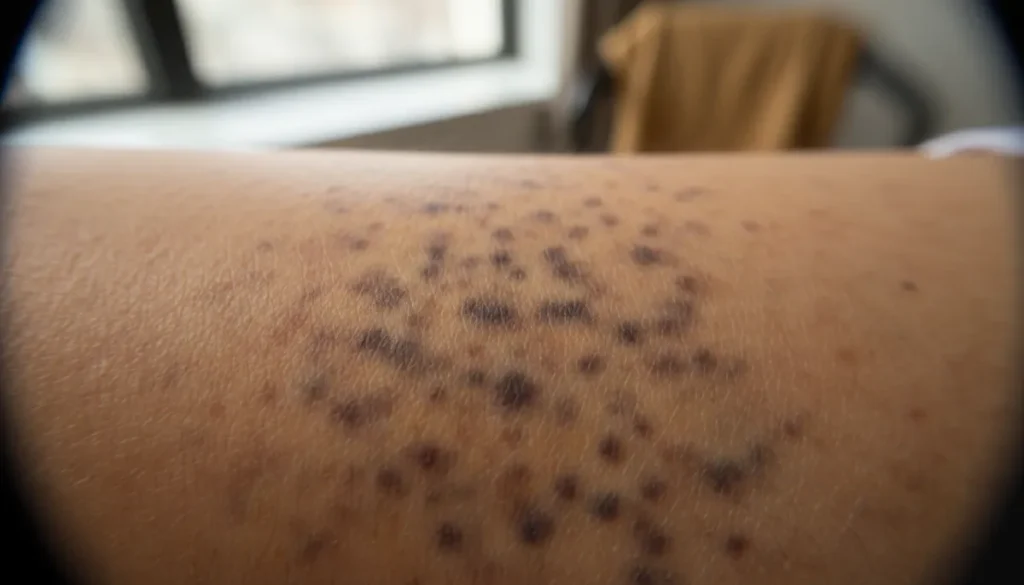
Dark spots, medically referred to as hyperpigmentation, occur when melanin production is unevenly distributed in the skin. This can result from several factors, each contributing to the appearance of brown, black, or gray patches.
What Is Hyperpigmentation?
Hyperpigmentation is the overproduction of melanin, the pigment that gives skin its color. When melanocytes (the cells that produce melanin) become overstimulated, they deposit excess pigment in the upper layers of the skin, creating visible spots.
Veelvoorkomende triggers
- Sun exposure – UV rays stimulate melanin, leading to sun spots or liver spots.
- Hormonal fluctuations – Pregnancy or birth control can cause melasma, a type of hyperpigmentation.
- Post‑inflammatory changes – Acne, eczema, or injuries often leave dark marks after healing.
- Aging – Natural decline in skin turnover can make age spots more noticeable.
- Genetics – Some individuals are predisposed to darker pigment clusters.
Identifying the underlying cause helps tailor the most effective treatment plan. For instance, sun‑induced spots respond well to sunscreen and topical brighteners, while post‑inflammatory marks may benefit from exfoliation and targeted serums.
Topical Treatments and Over‑the‑Counter Solutions
When searching for how to get rid of dark spots, many start with topical products that can be incorporated into daily skincare routines. These formulations often contain active ingredients designed to inhibit melanin synthesis or accelerate skin cell turnover.
Key Ingredients to Look For
- Hydroquinone – Gold standard for brightening, typically 2‑4 % for OTC use.
- Vitamin C – Antioxidant that reduces melanin formation and protects against UV damage.
- Niacinamide – Improves barrier function and lightens existing spots.
- Retinoids – Promote cell turnover, helping fade discoloration over time.
- Alpha‑hydroxy acids (AHA) – Exfoliate the surface layer, revealing fresher skin.
Comparison of Popular Over‑the‑Counter Products
| Product Type | Active Ingredient | Typical Concentration | Expected Timeframe for Results |
|---|---|---|---|
| Brightening Serum | Vitamin C | 10‑20 % | 4‑6 weeks |
| Spot‑Correcting Cream | Hydroquinone | 2‑4 % | 6‑12 weeks |
| Night Repair Lotion | Retinol | 0.5‑1 % | 8‑12 weeks |
| Exfoliating Gel | Glycolic Acid (AHA) | 5‑10 % | 3‑5 weeks |
Consistent use, combined with diligent sun protection, maximizes the efficacy of these products. Remember that results vary based on skin type, depth of pigmentation, and adherence to the regimen.
Professional Procedures for Faster Results
For those seeking a more rapid transformation, professional dermatological procedures can significantly speed up how to get rid of dark spots. These treatments are performed by qualified clinicians and often require a series of sessions.
Popular In‑Office Options
- Chemische peelings – Apply acids (e.g., TCA, glycolic) to exfoliate deeper skin layers.
- Lasertherapie – Targets melanin with focused light energy, breaking down pigment.
- Intense Pulsed Light (IPL) – Uses broad-spectrum light to treat discoloration.
- Microdermabrasion – Mechanical exfoliation that resurfaces the skin.
- Microneedling with PRP – Stimulates collagen and can improve pigment irregularities.
Procedure Comparison
| Procedure | Mechanism | Recovery Time | Typical Number of Sessions | Best For |
|---|---|---|---|---|
| Chemical Peel | Acid‑induced exfoliation | 3‑7 days | 3‑5 | Superficial to medium hyperpigmentation |
| Lasertherapie | Selective photothermolysis | 1‑3 days | 1‑3 | Deep melasma, stubborn age spots |
| IPL | Broad‑spectrum light absorption | 2‑5 days | 2‑4 | Sun spots, mild discoloration |
| Microdermabrasion | Mechanical sanding | Same day | 4‑6 | Surface level spots, texture improvement |
| Microneedling + PRP | Collagen induction with growth factors | 2‑4 days | 3‑6 | Combined texture and pigment issues |
Choosing the right procedure depends on spot depth, skin type, and personal tolerance. A qualified specialist at Gold City Medical Center can assess your condition and recommend a customized plan.
Natuurlijke remedies en aanpassingen van levensstijl
While professional care offers quick results, many also ask how to get rid of dark spots using natural methods. Consistent lifestyle changes can complement medical treatments and support long‑term skin health.
Effective Home‑Based Options
- Licorice Extract – Contains glabridin, which inhibits tyrosinase, the enzyme responsible for melanin production.
- Aloe Vera Gel – Soothes skin and contains aloesin, a natural brightening agent.
- Green Tea – Polyphenols provide antioxidant protection and may reduce pigmentation.
- Turmeric Mask – Curcumin has anti‑inflammatory properties that help fade spots.
- Apple Cider Vinegar – Diluted ACV can act as a mild exfoliant.
Daily Habits to Support Even Skin Tone
- Apply broad‑spectrum SPF 30+ every morning, reapply every two hours outdoors.
- Maintain a diet rich in antioxidants (berries, leafy greens, nuts).
- Stay hydrated; adequate water intake supports cellular turnover.
- Avoid smoking and limit alcohol, both of which can exacerbate pigmentation.
- Get sufficient sleep to allow skin regeneration.
Natural remedies work best for mild discoloration and as adjuncts to clinical treatments. Patience is key; visible improvement may take several weeks to months.
Prevention Tips to Keep Skin Even
Preventing new dark spots is often easier than treating existing ones. Incorporating protective measures into your routine can dramatically reduce the need for future interventions.
Sun‑Smart Strategies
- Wear wide‑brimmed hats and UV‑blocking sunglasses.
- Seek shade during peak sun hours (10 am–4 pm).
- Use clothing with UPF ratings for added protection.
Skincare Routine Essentials
- Cleanse gently twice daily to remove pollutants that can trigger inflammation.
- Incorporate antioxidants (Vitamin C serum) in the morning.
- Use retinoids or peptides at night to promote cell turnover.
Regular Professional Check‑Ups
Periodic skin assessments at a reputable clinic help detect early pigment changes. Early intervention can halt progression and preserve a uniform complexion.
By combining diligent sun protection, a balanced diet, and appropriate skincare, you can minimize the recurrence of dark spots and maintain the results of any treatment you pursue.
Why Choose Gold City Medical Center
Gold City Medical Center blends advanced medical expertise with personalized aesthetic care. Our integrative approach combines evidence‑based dermatology, state‑of‑the‑art laser technology, and tailored skincare protocols to address hyperpigmentation effectively. With a team of certified specialists, we prioritize safety, comfort, and measurable results, ensuring each client receives a treatment plan that aligns with their unique skin concerns.
Ready to transform your skin and say goodbye to dark spots? Contact Gold City Medical Center today to schedule a personalized consultation and start your journey toward a clearer, radiant complexion.
FAQ
What are the main causes of dark spots?
Dark spots are caused by uneven melanin production due to sun exposure, hormonal changes, post‑inflammatory marks, aging, and genetics.
Which over‑the‑counter ingredients are most effective for fading dark spots?
Key OTC ingredients include hydroquinone, vitamin C, niacinamide, retinoids, and alpha‑hydroxy acids.
How do professional laser and IPL treatments remove dark spots?
Laser and IPL target melanin with focused light, breaking down pigment and stimulating skin renewal.
Can natural remedies effectively fade dark spots?
Natural remedies can help with mild discoloration but work slower than clinical treatments.
What sun‑protection habits help prevent new dark spots?
Daily broad‑spectrum SPF 30+, reapplication, protective clothing, and shade are key.
How many sessions are typically needed for chemical peels and laser therapy?
Chemical peels usually require 3‑5 sessions; laser therapy often needs 1‑3 sessions.





