Many people wonder is alopecia curable as they notice thinning hair or bald patches. This question matters because hair loss can affect self‑esteem, professional confidence, and overall well‑being. According to recent dermatology surveys, up to 40 % of adults experience noticeable hair loss by the age of 35, making early insight essential.
In this article we will examine the underlying mechanisms of alopecia, differentiate between types such as alopecia areata and androgenetic baldness, and evaluate the range of medical, surgical, and lifestyle options available today. By the end, you will have a clear picture of what “curable” really means in the context of hair loss and how to choose the right path forward.
Whether you are a man dealing with pattern baldness, a woman facing diffuse thinning, or a parent concerned about a child’s hair health, understanding the science behind the condition empowers you to make informed decisions.
What Causes Alopecia and How It Affects the Scalp
Alopecia is not a single disease but a collection of disorders that lead to hair loss. The most common forms include:
- Androgenetic alopecia (male or female pattern baldness)
- Alopecia areata – an autoimmune attack on hair follicles
- Scarring alopecia – where inflammation destroys follicular tissue
- Telogen effluvium – temporary shedding after stress or illness
These conditions differ in their triggers, progression, and potential for regrowth. For instance, alopecia areata often appears as round, smooth patches and can spontaneously resolve, while androgenetic alopecia follows a predictable pattern of receding hairline and crown thinning.
Key factors influencing the onset of alopecia include genetics, hormonal changes, autoimmune activity, nutritional deficiencies, and environmental stressors. Below is a concise overview:
| Factor | Impact on Hair Follicles |
|---|---|
| Genetica | Predisposes follicles to miniaturization under DHT influence. |
| Hormonen | Elevated dihydrotestosterone (DHT) shortens growth phase. |
| Auto-immuun | Immune cells attack the bulb, causing sudden patch loss. |
| Voeding | Deficiencies in iron, zinc, or vitamin D hinder keratin synthesis. |
| Stress | Triggers telogen shift, leading to diffuse shedding. |
Understanding the root cause is the first step in answering the question is alopecia curable. While some forms, like temporary telogen effluvium, often resolve on their own, others require targeted intervention.
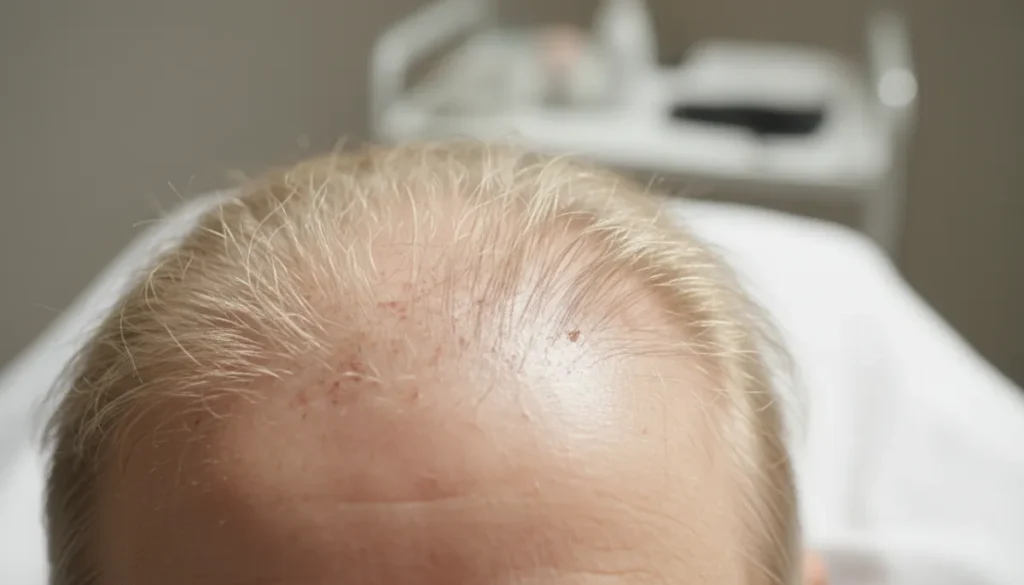
Medical Treatments That Address Hair Loss
When evaluating is alopecia curable, medical therapies are often the first line of defense. These treatments aim either to halt further loss or to stimulate new growth, depending on the type and severity of the condition.
Pharmacological Options
Two FDA‑approved drugs dominate the market:
- Finasteride – an oral 5‑α‑reductase inhibitor that reduces DHT levels, effective for male pattern baldness.
- Minoxidil – a topical vasodilator applied twice daily, suitable for both men and women.
Both medications have extensive clinical data supporting their efficacy, though they require continuous use to maintain results.
Hair Growth Products and Supplements
Patients often supplement their regimen with products such as biotin, saw‑tooth oak, and specialized hair growth serums. While not a cure, these can support follicular health when combined with proven therapies.
Comparative Overview of Medical Options
| Behandeling | Mechanism | Typical Use | Side Effects |
|---|---|---|---|
| Finasteride | DHT suppression | Male pattern baldness | Sexual dysfunction (rare) |
| Minoxidil | Follicle stimulation | Both sexes, early‑stage loss | Hoofdhuidirritatie |
| Hair Growth Serum | Topical nutrients | Adjunct therapy | Minimal |
| Supplementen met biotine | Keratin support | General thinning | None |
Medical approaches can significantly improve outcomes, yet they do not guarantee a permanent cure. The answer to is alopecia curable often lies in a combination of sustained medication, lifestyle adjustments, and, when appropriate, surgical options.
When Hair Transplant Becomes a Viable Option
For many, the question is alopecia curable evolves into whether a permanent restoration is possible. Hair transplantation offers a surgical solution that relocates healthy follicles from a donor area (usually the back of the head) to balding zones.
Techniques and Success Rates
Two primary methods dominate the field:
- Follicular Unit Extraction (FUE) – individual follicles are harvested and implanted, leaving minimal scarring.
- Follicular Unit Transplantation (FUT) – a strip of scalp is removed, dissected, and grafted, suitable for larger sessions.
Both techniques boast graft survival rates above 90 % when performed by experienced surgeons, and results become visible after 6‑12 months.
Ideale kandidaten
Ideal candidates typically have:
- Stable hair loss for at least 12 months
- Adequate donor hair density
- Realistic expectations regarding coverage
Patients with active autoimmune alopecia may need medical stabilization before surgery.
Cost and Recovery Overview
| Aspect | Details |
|---|---|
| Average Cost (EU) | €3,000 – €8,000 depending on graft number |
| Recovery Time | 7‑10 days for mild swelling; full activity in 2 weeks |
| Levensduur | Permanent, as transplanted follicles retain donor characteristics |
| Risico's | Infection, temporary numbness, rare scarring |
While a transplant does not “cure” the underlying hormonal cause, it provides a lasting aesthetic solution, effectively answering the curability question for many patients.
Lifestyle, Nutrition, and Non‑Surgical Strategies
Even if is alopecia curable remains partially unanswered by medical science alone, lifestyle modifications can dramatically influence hair health and complement other treatments.
Nutrition and Supplements
Key nutrients that support keratin production and follicular cycling include:
- Iron – essential for oxygen transport to hair follicles.
- Zinc – regulates hormone levels and cell division.
- Vitamin D – modulates immune response, relevant for alopecia areata.
- Omega‑3 fatty acids – reduce inflammation.
Incorporating foods such as lean meats, leafy greens, nuts, and fatty fish can enhance natural hair growth.
Stress Management
Chronic stress can trigger telogen effluvium and exacerbate autoimmune activity. Techniques like mindfulness meditation, regular exercise, and adequate sleep (7‑9 hours) are proven to stabilize the hair growth cycle.
Topical and Cosmetic Options
For immediate visual improvement, consider:
- Microneedling – stimulates collagen and may improve minoxidil absorption.
- Scalp camouflage powders – provide temporary coverage without chemicals.
- Low‑level laser therapy (LLLT) – FDA‑cleared devices that promote cellular metabolism.
These methods do not cure alopecia, but they enhance appearance and confidence while other treatments take effect.
Assessing Curability: What Patients Can Expect
The short answer to is alopecia curable is nuanced. Some forms, like telogen effluvium, often resolve spontaneously, while androgenetic alopecia is generally managed rather than cured. Autoimmune variants such as alopecia areata can achieve full regrowth with appropriate therapy, yet recurrence is possible.
Belangrijkste opmerkingen
- Early diagnosis improves treatment success.
- Combination therapy (medical + lifestyle) yields the best outcomes.
- Surgical transplantation offers permanent aesthetic restoration for stable cases.
- Ongoing maintenance is essential; discontinuing treatment may lead to renewed loss.
Patients should work with an integrative clinic that can tailor a plan based on individual diagnosis, hair type, and personal goals. By setting realistic expectations and pursuing evidence‑based interventions, many achieve substantial regrowth and long‑term stability.
Why Choose Gold City Medical Center
Gold City Medical Center combines cutting‑edge medical expertise with a holistic approach to hair restoration. Our team of dermatologists, trichologists, and certified surgeons offers personalized assessments, state‑of‑the‑art hair transplant techniques, and comprehensive after‑care programs. We prioritize safety, efficacy, and patient comfort, ensuring each treatment plan aligns with your unique needs and lifestyle.
Ready to take the next step toward healthier hair? Contact Gold City Medical Center today for a confidential consultation and discover a tailored solution that works for you.
Call us or fill out our online request form to schedule your appointment—your journey to confidence starts now.
FAQ
Is alopecia te genezen?
Alopecia can be managed and sometimes fully reversed, but true cure depends on the type and underlying cause.
What are the main causes of alopecia?
Alopecia results from genetics, hormonal changes, autoimmune attacks, nutritional deficiencies, and stress.
What medical treatments are available for hair loss?
FDA‑approved options include finasteride and minoxidil, complemented by supplements, serums, and emerging therapies.
When is a hair transplant recommended?
Transplantation is advised for stable, pattern‑type hair loss when donor density is sufficient and medical therapy alone is insufficient.
Can lifestyle changes improve alopecia?
Yes, proper nutrition, stress reduction, and healthy habits can support hair growth and enhance treatment results.
What nutrients support hair growth?
Iron, zinc, vitamin D, and omega‑3 fatty acids are key for healthy hair follicles.
What are the side effects of finasteride and minoxidil?
Finasteride may cause rare sexual dysfunction; minoxidil can cause scalp irritation and unwanted facial hair growth.