When you hear the question is PRP worth it, you’re likely weighing the promise of natural regeneration against the cost and commitment of treatment. Platelet‑rich plasma (PRP) has surged in popularity for hair restoration, skin rejuvenation, and even joint health, but the hype can make it hard to separate fact from fiction. In this article we break down the science, the procedures, and the real‑world outcomes so you can decide if PRP fits your goals.
Recent surveys indicate that over 30 % of adults considering aesthetic procedures have explored PRP as an option, yet many remain unsure about its effectiveness. Understanding how PRP works, who benefits most, and what to expect during recovery is essential before you invest time and money.
We’ll cover the underlying biology, the various applications, clinical evidence, cost considerations, and safety factors. By the end, you’ll have a clear picture of whether is PRP worth it for your specific needs.
Understanding Platelet‑Rich Plasma (PRP) Therapy
PRP therapy begins with a simple blood draw, typically 10‑20 ml, which is then spun in a centrifuge to concentrate platelets. These platelets release growth factors that stimulate tissue repair, collagen production, and angiogenesis. The resulting plasma, rich in these bioactive proteins, is injected into the target area.
Key terms to know:
- Platelet‑rich plasma: The concentrated component of blood used for treatment.
- Growth factors: Proteins such as PDGF, TGF‑β, and VEGF that drive cellular regeneration.
- Microneedling: A technique often combined with PRP to enhance absorption.
PRP can be applied in several ways, each tailored to a specific concern:
- Direct injections for hair follicles (PRP hair treatment).
- Intradermal micro‑injections for facial rejuvenation (often called the “vampire facial”).
- Intra‑articular injections for joint pain.
Because PRP uses the patient’s own blood, the risk of allergic reaction is minimal, which contributes to its appeal. However, the effectiveness depends heavily on technique, platelet concentration, and patient factors such as age and overall health.
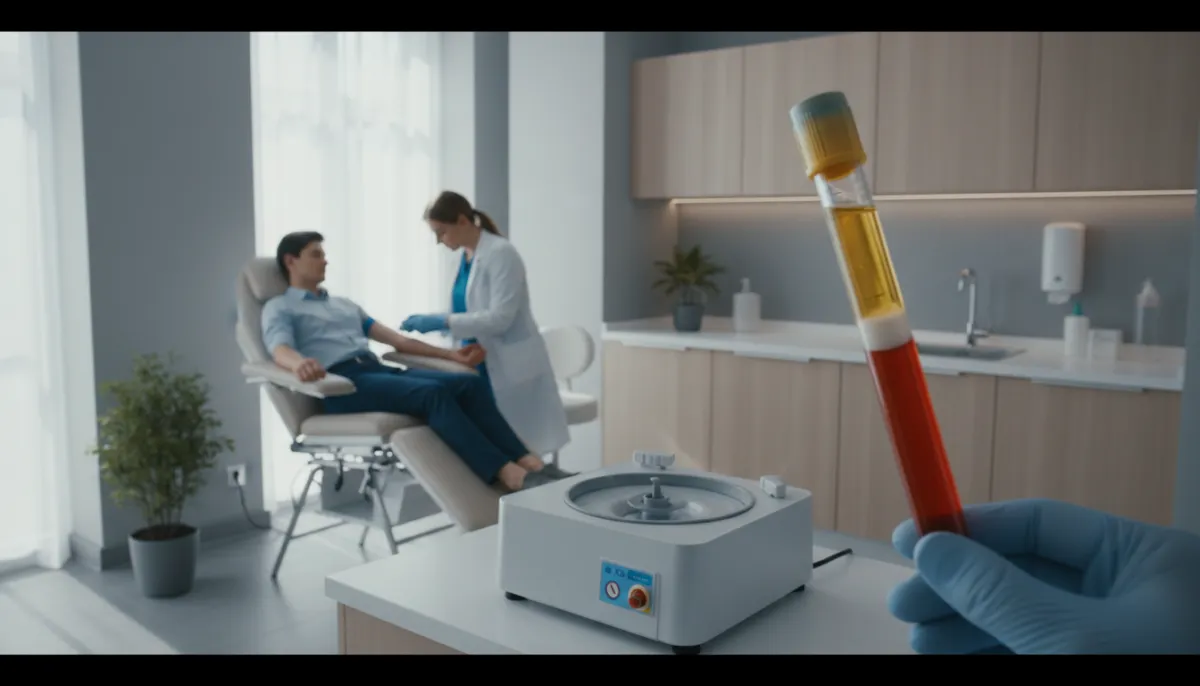
How PRP Is Applied for Hair Restoration and Skin Rejuvenation
For hair loss, PRP is injected directly into the scalp where thinning occurs. The growth factors aim to revitalize dormant follicles, improve blood supply, and prolong the anagen (growth) phase. Typical protocols involve three sessions spaced four weeks apart, followed by maintenance treatments every 4‑6 months.
In facial applications, PRP is combined with microneedling or used alone as a “PRP facial.” The process creates micro‑injuries that trigger collagen synthesis, while the plasma provides a boost of growth factors to accelerate healing and improve texture, tone, and fine lines.
Below is a quick comparison of PRP for hair versus skin:
| Aspect | Hair Restoration | Facial Rejuvenation |
|---|---|---|
| Target Area | Scalp, thinning zones | Face, neck, décolletage |
| Procedure Frequency | 3 initial sessions + maintenance | 3‑4 sessions, often combined with microneedling |
| Typical Results | Increased hair density, reduced shedding | Improved skin texture, reduced fine lines |
| Recovery Time | 1‑2 days mild soreness | 2‑3 days redness, swelling |
Patients often report subtle but noticeable improvements after the full treatment cycle. While PRP is not a miracle cure, it can be a valuable component of a comprehensive hair restoration plan, especially when combined with medications like finasteride or minoxidil.
Klinisch bewijs en succespercentages
Scientific studies on PRP have produced mixed results, largely due to variations in study design, platelet concentration, and patient selection. However, several peer‑reviewed trials provide insight into its efficacy.
Key findings include:
- A 2021 randomized controlled trial (RCT) on androgenetic alopecia reported a 35 % increase in hair count after 12 weeks of PRP compared to placebo.
- A systematic review of facial PRP treatments found moderate improvement in skin elasticity and a reduction in fine lines in 68 % of participants.
- Joint pain studies show PRP can reduce pain scores by up to 40 % in osteoarthritis patients, though long‑term benefits remain under investigation.
It’s important to note that outcomes are highly individualized. Factors such as age, severity of hair loss, and baseline skin condition influence results. Patients with early‑stage hair thinning tend to see the most benefit, while advanced baldness may require adjunctive surgical options.
Overall, the consensus among dermatologists and trichologists is that PRP is a safe adjunctive therapy with a favorable risk profile, but it should not be viewed as a standalone solution for severe cases.
Cost, Recovery, and What to Expect
Cost is a common concern when evaluating is PRP worth it. Prices vary by region and provider, but typical ranges are:
- Hair restoration: €300‑€600 per session.
- Facial PRP (vampire facial): €200‑€450 per session.
- Joint injections: €350‑€700 per treatment.
Because a full course usually requires multiple sessions, total investment can reach €1,200‑€2,500 for hair or facial protocols. Many clinics offer package discounts for bundled treatments.
Recovery is generally mild:
- Scalp injections: Slight tenderness, possible redness for 24‑48 hours.
- Facial PRP: Redness and swelling similar to a mild sunburn, typically subsiding within 3‑5 days.
- Joint injections: Temporary soreness, with most patients resuming light activity within a week.
Post‑treatment care includes avoiding intense sunlight, harsh chemicals, and vigorous exercise for 24‑48 hours. Using gentle, hydrating skincare products can enhance facial results, while scalp care should focus on keeping the area clean and avoiding tight hairstyles.
When budgeting, consider both the upfront cost and the maintenance schedule. While PRP may not be the cheapest option, many patients find the natural approach and low downtime justify the expense.
Choosing the Right Provider and Safety Considerations
Not all PRP providers are created equal. Selecting a qualified practitioner is crucial for safety and optimal outcomes.
Look for these credentials:
- Board‑certified dermatologist, plastic surgeon, or trichologist.
- Experience with PRP protocols specific to your desired treatment (hair, skin, or joint).
- Transparent discussion of platelet concentration levels and equipment used.
- Clear post‑procedure guidelines and follow‑up schedule.
Safety concerns are minimal when proper aseptic techniques are followed. Potential side effects include:
- Temporary bruising or swelling at injection sites.
- Rare infection if sterility is compromised.
- Transient pain during injection.
Patients with platelet disorders, active infections, or certain cancers should avoid PRP. A thorough medical history and pre‑treatment blood work can identify contraindications.
By partnering with a reputable clinic that adheres to strict standards, you can mitigate risks and maximize the likelihood that is PRP worth it becomes a question you answer affirmatively.
Why Choose Gold City Medical Center
Gold City Medical Center combines cutting‑edge technology with a holistic approach to health, beauty, and hair restoration. Our team of board‑certified specialists tailors PRP protocols to each individual, ensuring optimal platelet concentration and precise injection techniques. We prioritize patient safety, transparent communication, and evidence‑based results, making us a trusted partner for those seeking natural, effective treatments.
Ready to discover if PRP is the right solution for you? Contact Gold City Medical Center today to schedule a personalized consultation and take the first step toward revitalized hair, radiant skin, and renewed confidence.
FAQ
What is PRP therapy and how does it work?
PRP therapy uses a patient’s own blood, spun to concentrate platelets, which release growth factors that stimulate tissue repair.
Is PRP effective for hair loss?
Studies show PRP can increase hair density by about 30‑35% in early‑stage androgenetic alopecia.
Can PRP improve skin texture and reduce fine lines?
Yes, PRP combined with microneedling can boost collagen and improve skin elasticity in most patients.
How much does PRP treatment cost?
Prices range from €200‑€700 per session depending on the area treated.
What are the potential side effects of PRP?
Side effects are usually mild, such as temporary bruising, swelling, or soreness at injection sites.
How many PRP sessions are needed for optimal results?
Most protocols recommend three initial sessions followed by maintenance every 4‑6 months.





