Laser scar removal has become a cornerstone of modern aesthetic medicine, offering a precise way to diminish the appearance of unwanted marks without invasive surgery. This article explains the science behind the treatment, the benefits you can expect, and how to prepare for a successful outcome. Whether you’re dealing with acne scars, surgical incisions, or stretch marks, understanding the process can help you make an informed decision.
Every year, thousands of patients seek solutions for persistent skin imperfections that affect self‑esteem and daily life. According to recent surveys, more than 30 % of adults report dissatisfaction with the texture of their skin, highlighting a growing demand for effective scar‑reduction methods. Laser technologies, especially those using fractional CO₂ and ablative systems, have demonstrated remarkable results in clinical studies.
In the following sections, we’ll explore how laser scar removal works, who benefits most, what to expect during the procedure, and why Gold City Medical Center is uniquely equipped to deliver safe, personalized care. By the end, you’ll have a clear roadmap for achieving smoother, healthier skin.
How Laser Scar Removal Works
The principle behind laser scar removal is controlled skin resurfacing. A focused beam of light penetrates the epidermis and stimulates the production of new collagen, which gradually replaces scar tissue with healthier skin. Two primary laser types dominate the field: CO₂ lasers and fractional lasers.
Types of Lasers
- CO₂ laser: An ablative laser that vaporizes the outer skin layers, prompting a robust healing response.
- Fractional CO₂ laser: Delivers micro‑columns of energy, allowing faster recovery while still achieving deep remodeling.
- Non‑ablative lasers: Target deeper layers without removing the surface, suitable for lighter scars.
During a treatment session, the laser emits pulses measured in nanoseconds, creating microscopic channels that encourage the skin’s natural repair mechanisms. The procedure can be tailored to the scar’s depth, size, and location, ensuring optimal results with minimal discomfort.
| Laser Type | Depth of Penetration | Recovery Time | Ideal Scar Types |
|---|---|---|---|
| CO₂ Laser | Deep (0.5‑2 mm) | 7‑10 days | Deep acne scars, surgical scars |
| Fractional CO₂ Laser | Medium‑Deep (0.2‑1 mm) | 3‑5 days | Moderate acne marks, stretch marks |
| Non‑ablative Laser | Shallow (0.1‑0.5 mm) | 1‑2 days | Fine lines, superficial discoloration |
By customizing the laser settings, practitioners can achieve a balance between efficacy and patient comfort, making laser scar removal a versatile option for a wide range of skin concerns.
Benefits of Laser Scar Removal
kiezen laser scar removal offers several distinct advantages over traditional methods such as dermabrasion or surgical excision. The most compelling benefits include precision, reduced downtime, and long‑lasting results.
Key Advantages
- Targeted treatment: Lasers can focus on specific scar tissue without affecting surrounding healthy skin.
- Minimal scarring: Because the laser stimulates natural collagen production, the risk of new scar formation is low.
- Quick recovery: Fractional approaches allow patients to resume daily activities within a few days.
- Versatility: Effective on acne scars, keloid scars, hypertrophic scars, and even stretch marks.
- Improved skin tone: The resurfacing effect also reduces hyperpigmentation and fine lines.
Clinical research supports these claims. A 2022 study of 150 patients reported an average scar improvement rating of 68 % after a series of three fractional CO₂ laser sessions, with only mild temporary redness reported.
| Benefit | Typical Outcome | Patient Experience |
|---|---|---|
| Precision | Accurate targeting of scar tissue | Less discomfort, fewer side effects |
| Downtime | 3‑5 days for fractional, 7‑10 days for ablative | Quick return to work or school |
| Long‑Term Results | Up to 80 % reduction in scar visibility | Gradual improvement over 6‑12 months |
These benefits make laser scar removal an attractive option for anyone seeking a non‑surgical path to smoother skin.
Wie is een goede kandidaat?
Not everyone will experience the same level of improvement from laser scar removal. Ideal candidates typically have stable scar tissue, realistic expectations, and skin that can tolerate laser energy.
Types of Scars Treated
- Acne scars: Ice pick, boxcar, and rolling types.
- Surgical scars: Linear incisions from past operations.
- Keloid and hypertrophic scars: Raised, thickened tissue.
- Stretch marks: Especially those caused by rapid weight changes.
Skin type also plays a role. Patients with Fitzpatrick skin types I‑III (fair to medium) usually see the best results with minimal risk of hyperpigmentation. Those with darker skin (types IV‑VI) can still benefit, but may require adjusted laser settings and additional post‑treatment care.
Contra‑indications include active infections, recent sun exposure, or a history of poor wound healing. A thorough consultation with a qualified dermatologist will determine suitability and outline a personalized treatment plan.
Wat u kunt verwachten tijdens de behandeling
A typical laser scar removal session follows a structured protocol designed to maximize safety and comfort.
Preparation
- Pre‑treatment skin analysis and photos.
- Topical anesthetic applied to minimize pain.
- Discussion of post‑procedure care and expectations.
Procedure
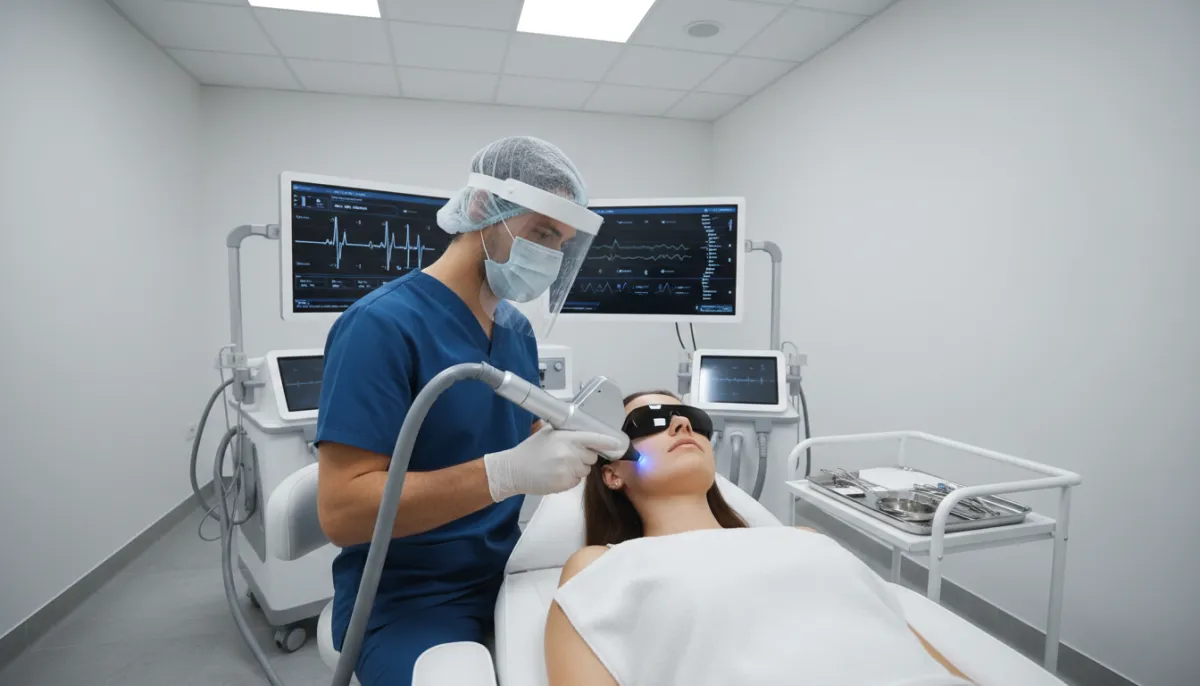
The laser device is calibrated to the scar’s depth and the patient’s skin type. The practitioner moves the handpiece over the target area, delivering micro‑pulses that create tiny columns of thermal injury. Patients often describe a mild snapping sensation, comparable to a rubber band snapping against the skin.
Aftercare
- Cool compresses to reduce redness.
- Gentle moisturizers and sunscreen to protect the healing skin.
- Follow‑up visits to monitor progress and schedule additional sessions if needed.
Most patients experience temporary redness and swelling, which typically subside within 48‑72 hours. Full results become evident over several weeks as collagen remodeling continues.
Choosing the Right Clinic for Laser Scar Removal
When it comes to laser scar removal, the expertise of the clinic and its staff can influence both safety and results. Selecting a reputable provider ensures access to the latest technology and personalized care.
Key Factors to Consider
- Qualified practitioners: Look for board‑certified dermatologists or plastic surgeons with extensive experience in laser aesthetics.
- Advanced equipment: Clinics should use FDA‑approved CO₂ and fractional laser systems.
- Patient‑centered approach: Comprehensive consultations, clear communication, and customized treatment plans are essential.
- After‑care support: Ongoing monitoring and access to skilled nursing staff improve outcomes.
Gold City Medical Center excels in each of these areas, offering a holistic environment where medical expertise meets aesthetic excellence.
Why Choose Gold City Medical Center
Gold City Medical Center combines integrative healthcare with cutting‑edge aesthetic technology. Our multidisciplinary team of physicians, dermatologists, and certified laser specialists tailors each laser scar removal program to the individual’s unique skin profile. We prioritize patient safety, using FDA‑approved CO₂ and fractional laser systems in a comfortable, state‑of‑the‑art environment. With a proven track record of delivering natural‑looking results, we help you regain confidence and enjoy smoother, healthier skin.
Ready to transform your skin? Contact Gold City Medical Center today to schedule a personalized consultation and discover how laser scar removal can renew your confidence.
Call us or use our online form – your journey to smoother skin starts now.
FAQ
What is laser scar removal and how does it work?
Laser scar removal is a minimally invasive procedure that uses focused laser energy to resurface the skin and stimulate new collagen formation, gradually replacing scar tissue.
Welke soorten littekens kunnen behandeld worden met laserlittekenverwijdering?
Laser scar removal can improve acne scars, surgical incisions, keloid and hypertrophic scars, as well as stretch marks and mild skin discolorations.
What are the benefits of laser scar removal compared to other methods?
Laser scar removal offers precise targeting, minimal downtime, low risk of new scarring, and long‑lasting improvement in skin texture and tone.
Who is a good candidate for laser scar removal?
Ideal candidates have stable scar tissue, realistic expectations, and skin that can tolerate laser energy, typically Fitzpatrick types I‑III.
What should I expect during and after a laser scar removal session?
The session includes a pre‑treatment assessment, topical anesthesia, laser application, and post‑procedure care with cool compresses and sunscreen.
How many laser scar removal sessions are typically needed for optimal results?
Most patients require 3‑5 sessions spaced several weeks apart to achieve significant scar reduction.
What aftercare is recommended following laser scar removal?
Aftercare includes gentle cleansing, moisturization, sunscreen protection, and avoiding direct sun exposure for several weeks.





