Laser treatments have become a cornerstone of modern aesthetic and medical care, offering precise, minimally invasive options for skin rejuvenation, scar reduction, and tissue tightening. At Gold City Medical Center, we combine cutting‑edge technology with expert clinicians to deliver results that enhance both health and confidence. Each year, millions of patients worldwide turn to laser‑based procedures for lasting improvements, underscoring the growing demand for safe, effective solutions.
In this article, we explore the science behind laser technology, the most common applications, what patients can expect during a session, and how to choose a trusted provider. Whether you are considering a subtle skin resurfacing or a comprehensive scar removal plan, understanding the process will help you make an informed decision.
We will also discuss the benefits and potential risks, providing a balanced view so you can weigh your options confidently. By the end, you’ll have a clear roadmap to achieve smoother, healthier skin through professional laser treatments.
Understanding Laser Technology
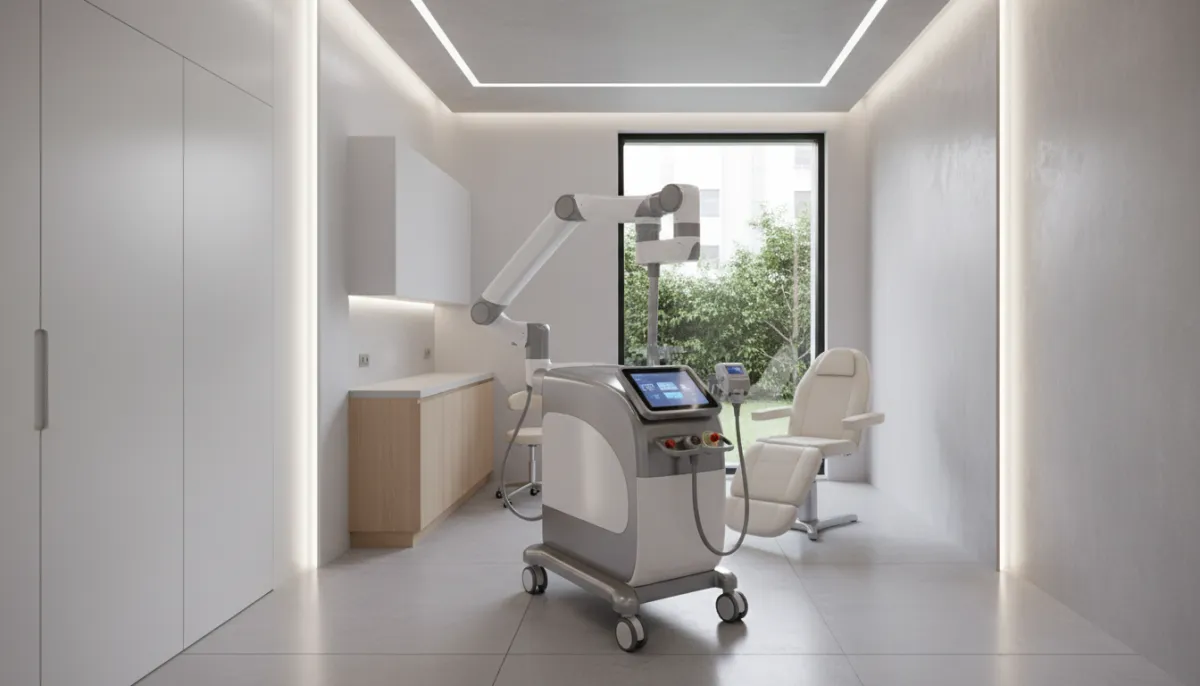
The foundation of any laser treatment lies in the precise delivery of light energy to targeted tissue. Different wavelengths and pulse durations allow clinicians to address a variety of skin concerns. Below are the most frequently used laser types in aesthetic medicine:
- CO₂ laser: Delivers deep, ablative energy ideal for resurfacing and scar revision.
- Fractional CO₂ laser: Creates micro‑columns of treatment, promoting rapid healing while resurfacing.
- Erbium laser: Offers a gentler ablative option, suitable for finer lines and mild texture issues.
- Fractional laser: Utilizes non‑ablative wavelengths to stimulate collagen without removing surface layers.
- Q‑Switched laser: Targets pigment and tattoo ink, often used for laser scar removal.
Understanding the distinction between ablative and non‑ablative systems helps patients choose the right approach for their goals. Ablative lasers, such as the CO₂, remove the outer skin layer, resulting in more dramatic improvement but longer downtime. Non‑ablative lasers, like fractional devices, stimulate deeper layers while preserving the surface, offering quicker recovery.
Common Applications of Laser Treatments
Laser treatments address a broad spectrum of dermatological and cosmetic concerns. Below is a comparison of popular procedures, highlighting key features and typical outcomes.
| Procedure | Primary Goal | Typical Sessions | Recovery Time |
|---|---|---|---|
| CO₂ Laser Resurfacing | Deep skin rejuvenation, scar reduction | 1‑3 | 7‑14 days |
| Fractional Laser | Texture improvement, fine lines | 2‑4 | 3‑7 days |
| Laser Scar Removal | Minimize scar visibility | 3‑6 | 5‑10 days |
| Laser Skin Tightening | Stimulate collagen for firmer skin | 1‑2 | 1‑3 days |
| Acne Laser Treatment | Reduce active lesions, control oil | 4‑6 | Minimal |
Patients often combine laser skin resurfacing with complementary skin rejuvenation treatments to maximize results. For example, a CO₂ laser session may be followed by topical serums that support collagen synthesis, enhancing the overall effect.
Beyond aesthetic improvements, laser therapy can also aid in medical conditions such as vascular lesions and certain types of skin cancer, underscoring its versatility.
What to Expect During a Laser Session
Preparing for a laser treatment begins with a thorough consultation. During this visit, the specialist assesses skin type, medical history, and desired outcomes to tailor the protocol. A patch test may be performed to ensure the skin tolerates the selected wavelength.
On the day of the procedure, the treatment area is cleaned and a topical anesthetic may be applied to minimize discomfort. The clinician then delivers the laser pulses, which feel like a brief snapping sensation. Most modern devices incorporate cooling systems, reducing pain and protecting surrounding tissue.
After the session, a cooling gel or dressing is applied, and the patient receives detailed after‑care instructions. Post‑treatment redness and mild swelling are common and typically subside within a few days. Sun protection is crucial to prevent hyperpigmentation and support optimal healing.
Follow‑up appointments allow the provider to monitor progress and determine if additional sessions are needed to achieve the desired results.
Benefits and Risks of Laser Treatments
When performed by experienced professionals, laser treatments offer numerous advantages:
- Precision targeting reduces damage to surrounding tissue.
- Minimally invasive nature leads to quicker recovery compared with surgical options.
- Long‑lasting results, especially when combined with proper skincare.
- Versatility across a range of concerns, from fine lines to deep scars.
Potential risks are generally mild and manageable, including temporary redness, swelling, or pigment changes. Rare complications can involve infection or scarring, emphasizing the importance of choosing a qualified provider who follows strict safety protocols.
Patients with certain skin types or medical conditions may require adjusted settings or alternative methods. A thorough pre‑treatment evaluation helps mitigate these risks and ensures a safe experience.
Choosing the Right Provider for Laser Treatments
Selecting a reputable clinic is as critical as the procedure itself. Look for providers who demonstrate:
- Board‑certified dermatologists or plastic surgeons with extensive laser experience.
- State‑of‑the‑art technology, such as CO₂ and fractional laser systems.
- Transparent patient education, including realistic expectations and after‑care guidance.
- Positive patient testimonials and a portfolio of before‑and‑after results.
Gold City Medical Center meets these criteria, offering an integrative approach that blends medical expertise with aesthetic precision. Our team prioritizes safety, customization, and long‑term skin health, ensuring each patient receives a tailored plan that aligns with their unique needs.
Why Choose Gold City Medical Center
Gold City Medical Center stands at the forefront of integrative healthcare, combining advanced laser technology with a multidisciplinary team of specialists. Our commitment to personalized care, evidence‑based protocols, and ongoing patient support makes us a trusted destination for those seeking reliable, high‑quality laser treatments. Experience the difference of a center that values both aesthetic excellence and holistic well‑being.
Ready to transform your skin with professional laser treatments? Contact Gold City Medical Center today to schedule a personalized consultation and discover the rejuvenating benefits waiting for you.
Take the first step toward smoother, radiant skin—call now or fill out our online request form to begin your journey.
FAQ
What are the different types of laser treatments available?
Laser treatments include CO₂ lasers, fractional CO₂ lasers, Erbium lasers, fractional non‑ablative lasers, and Q‑Switched lasers, each targeting specific skin concerns.
How does a CO₂ laser differ from a fractional laser?
A CO₂ laser removes the outer skin layer (ablative), producing dramatic results with longer downtime, whereas a fractional laser creates tiny treatment zones, preserving surrounding skin for faster healing.
What can I expect during a laser treatment session?
You will have a consultation, a possible patch test, topical anesthetic application, the laser pulses, and post‑treatment cooling and after‑care instructions.
What are the benefits and potential risks of laser skin resurfacing?
Benefits include precise targeting, minimal invasiveness, long‑lasting results, and versatility; risks are temporary redness, swelling, pigment changes, and rare infection or scarring.
How many sessions are typically needed for scar reduction?
Most patients require 3‑6 laser sessions for noticeable scar improvement, depending on scar depth and type.
How do I choose a qualified provider for laser treatments?
Look for board‑certified dermatologists or plastic surgeons with extensive laser experience, state‑of‑the‑art equipment, transparent education, and strong patient testimonials.





