Low-Level Laser Therapy (LLLT) has emerged as a non‑invasive solution for lllt hairloss that blends scientific rigor with patient‑friendly convenience. In recent years, more than 1 in 5 adults experiencing thinning hair have explored light‑based treatments, seeking a method that avoids surgery and medication side effects. This article explains how LLLT works, the specific benefits of red light therapy for hair growth, what patients can expect during a session, how to select the right device or clinic, and the safety considerations you should keep in mind.
Understanding the underlying mechanisms is essential because not all light‑based products deliver the same results. While some devices merely emit a warm glow, clinically validated systems use precise wavelengths to stimulate cellular activity in the scalp. By the end of this guide, you will have a clear picture of whether lllt hairloss therapy aligns with your personal hair restoration goals.
We will also highlight why Gold City Medical Center stands out as a leader in integrative hair health, offering state‑of‑the‑art equipment and experienced practitioners who tailor each protocol to the individual.
How Low-Level Laser Therapy Works for Hair Regrowth
LLLT, often referred to as red light therapy, operates through a process called photobiomodulation. When specific wavelengths of light—typically in the red (630–680 nm) or near‑infrared (800–850 nm) range—penetrate the scalp, they are absorbed by mitochondrial chromophores within hair‑follicle cells. This absorption triggers a cascade of biochemical events that boost ATP production, improve blood flow, and reduce oxidative stress.
Science Behind Photobiomodulation
- Increased cellular energy (ATP) fuels the anagen (growth) phase of hair follicles.
- Enhanced microcirculation delivers oxygen and nutrients more efficiently.
- Modulation of inflammatory pathways reduces follicular miniaturization.
- Activation of stem cells in the bulge region promotes new hair shaft formation.
Clinical studies consistently show a statistically significant increase in hair density after 12‑24 weeks of regular LLLT sessions. For example, a double‑blind trial reported an average 23 % rise in terminal hair count compared to placebo.
| Parameter | LLLT (Red Light) | Topical Minoxidil | Haartransplantatie |
|---|---|---|---|
| Mechanism | Photobiomodulation | Vasodilation & follicle stimulation | Surgical grafting |
| Invasiveness | Non‑invasive | Topical | Surgical |
| Typical Results Timeline | 3‑6 months | 4‑6 months | 6‑12 months |
| Side‑Effect Profile | Minimal | Hoofdhuidirritatie | Post‑operative pain |
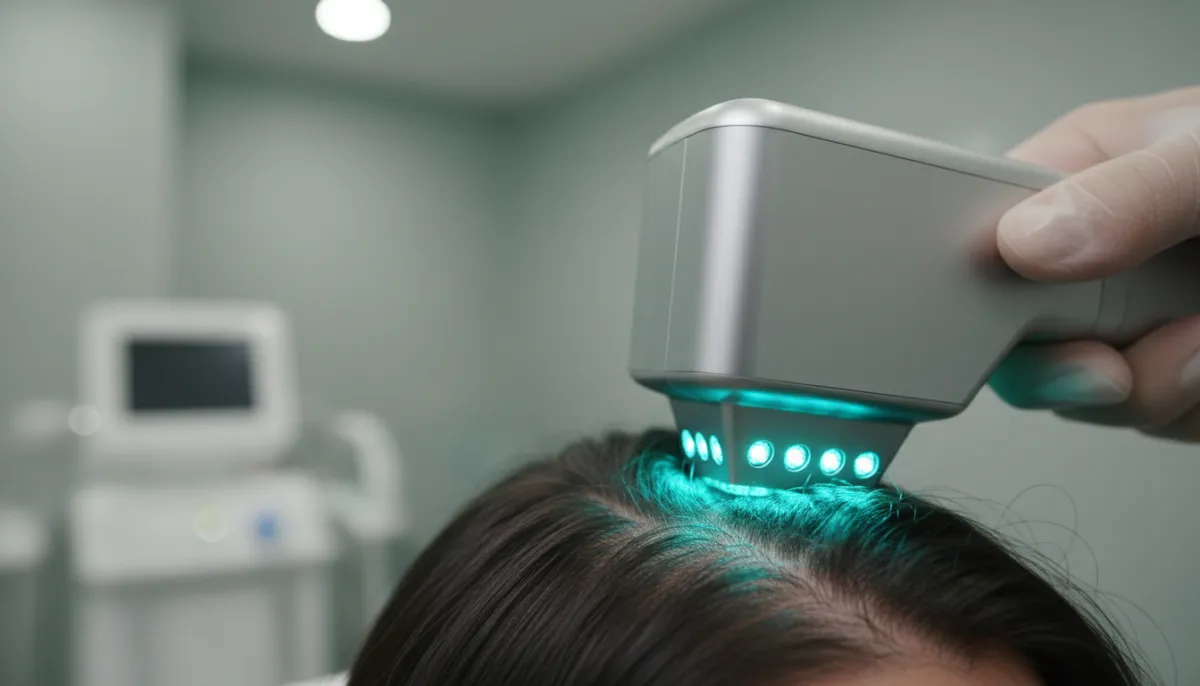
Benefits of Red Light Therapy for Hair Loss
Beyond the cellular mechanisms, red light therapy offers several practical advantages that make it attractive for those dealing with lllt hairloss. First, the treatment is painless and requires no downtime, allowing patients to resume daily activities immediately after a session. Second, the technology is versatile; it can be delivered via in‑clinic panels, handheld devices, or even wearable helmets.
Key red light therapy benefits include:
- Improved hair thickness and density.
- Reduced shedding during the telogen phase.
- Enhanced scalp health through increased circulation.
- Compatibility with other treatments such as minoxidil or PRP.
Numerous users report visible improvement after just a few months, and the treatment is considered safe for both men and women. Studies also suggest that combining red light therapy with nutritional support can amplify results, as the light energy works synergistically with vitamins essential for keratin production.
What to Expect During an LLLT Session
A typical LLLT appointment at a professional clinic lasts between 15 and 30 minutes, depending on the device’s power output and the area being treated. Patients sit comfortably while a panel or helmet emits a gentle, warm glow that is barely perceptible. Most people describe the sensation as a mild warmth, but there is no pain or heat burn.
Treatment Duration and Frequency
- Initial phase: 2‑3 sessions per week for the first 8‑12 weeks.
- Maintenance phase: 1‑2 sessions per week thereafter, or as recommended by the clinician.
- Session length: 15‑20 minutes for panel systems; 30 minutes for full‑head helmets.
Consistency is crucial; the cumulative effect of repeated light exposure drives the biological response. Most clinics, including Gold City Medical Center, provide a treatment plan tailored to the individual’s hair loss pattern, ensuring optimal coverage of thinning zones.
Patients often notice a reduction in daily shedding within the first month, followed by gradual thickening of existing hairs. Visible regrowth typically becomes apparent after 3‑4 months of regular treatment.
Choosing the Right LLLT Device or Clinic
With a growing market of at‑home devices and salon‑based services, selecting a reputable provider is essential for achieving reliable results. Look for the following criteria when evaluating options:
- FDA clearance or CE marking: Indicates compliance with safety standards.
- Wavelength specificity: Effective devices use 630‑660 nm (red) or 810‑850 nm (near‑infrared).
- Power density (mW/cm²): Therapeutic range typically falls between 5‑10 mW/cm².
- Clinical evidence: Peer‑reviewed studies supporting efficacy for hair loss.
| Feature | Professional Clinic | At‑Home Device |
|---|---|---|
| Supervision | Trained specialist monitors session | User‑guided |
| Power Output | Higher, calibrated | Variable, often lower |
| Customization | Tailored protocols | Standardized settings |
| Cost per Session | €70‑€120 | One‑time purchase €200‑€800 |
Gold City Medical Center employs clinically validated panels that meet all regulatory standards, ensuring each lllt hairloss session delivers the optimal therapeutic dose. Their specialists assess scalp condition, recommend a personalized schedule, and monitor progress with high‑resolution imaging.
Potential Risks and Safety Considerations
While LLLT is generally regarded as safe, it is important to understand the potential risks and contraindications. The most common concerns revolve around eye protection and the theoretical risk of phototoxicity.
- Eye safety: Protective goggles are mandatory during treatment to block direct exposure to the retina.
- Skin sensitivity: Individuals with photosensitive disorders should consult a dermatologist before starting.
- Cancer risk: Current research indicates that red light therapy does not increase cancer risk; it is considered non‑ionizing and safe for long‑term use.
- Interaction with medications: Certain photosensitizing drugs may amplify light effects; disclose all medications to your practitioner.
Gold City Medical Center follows strict safety protocols, including pre‑treatment screening and continuous monitoring, to ensure that every lllt hairloss session is both effective and risk‑free.
Why Choose Gold City Medical Center
Gold City Medical Center combines cutting‑edge technology with an integrative approach to hair health. Their team of board‑certified physicians and experienced technicians tailors each LLLT protocol to the individual’s unique pattern of hair loss, ensuring optimal results. The center’s state‑of‑the‑art equipment meets all safety standards, and patients benefit from ongoing progress tracking using advanced imaging tools. By choosing Gold City Medical Center, you receive a trusted partner dedicated to restoring confidence through scientifically backed hair restoration.
Ready to revitalize your hair with proven low‑level laser therapy? Contact Gold City Medical Center today to schedule a personalized consultation and start your journey toward fuller, healthier hair.
FAQ
How does low-level laser therapy promote hair regrowth?
LLLT uses red or near‑infrared light to stimulate cellular activity in hair‑follicle cells, increasing ATP production and blood flow.
What are the main benefits of red light therapy for hair loss?
Red light therapy improves hair thickness, reduces shedding, enhances scalp circulation, and works well with other treatments.
How many LLLT sessions are needed to see results?
Most patients notice reduced shedding within a month and visible regrowth after 3‑4 months of regular sessions.
What should I look for when choosing an LLLT device or clinic?
Check for FDA/CE clearance, correct wavelength (630‑660 nm red or 810‑850 nm near‑infrared), therapeutic power density, and solid clinical evidence.
Are there any risks or side effects associated with LLLT?
LLLT is generally safe; the main concerns are eye protection and photosensitivity in certain individuals.





