Male hair implants have become a cornerstone of modern hair loss treatment, offering men a reliable path to regain a fuller appearance. As hair thinning and baldness affect millions worldwide, the demand for effective, minimally invasive solutions continues to rise. In fact, studies show that over 30% of men experience noticeable hair loss by the age of 35, prompting many to explore restorative options.
This article guides you through the essential aspects of male hair implants—from the science behind the procedure to the practical considerations of cost and aftercare. Whether you are evaluating whether a hair transplant is right for you or simply curious about the latest advances in hair restoration, the information below will help you make an informed decision.
We will cover the different techniques available, the step‑by‑step journey of a typical procedure, expected outcomes, and how to maintain optimal results. By the end, you’ll understand why male hair implants are a trusted solution for men seeking lasting confidence.
Understanding Male Hair Implants: How They Work
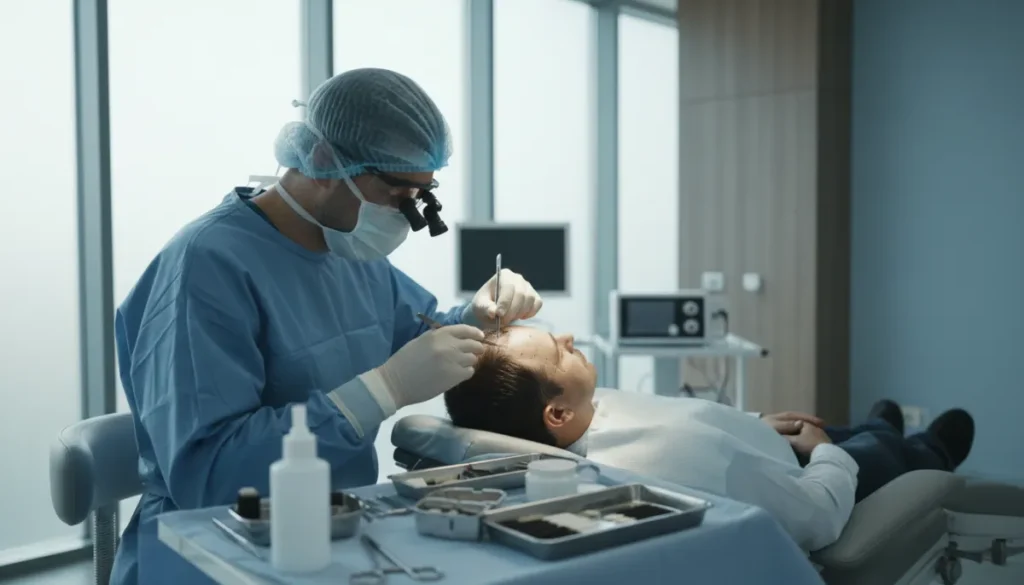
Male hair implants involve transplanting healthy hair follicles from a donor area—usually the back of the scalp—into zones of thinning or baldness. The process begins with a thorough assessment to determine the pattern of hair loss and the suitability of the donor region. Once the plan is set, the surgeon extracts individual follicular units or strips, preserving the natural angle and direction of each graft.
The extracted grafts are then meticulously placed into tiny incisions made in the recipient area. This careful placement ensures a natural hairline and seamless blend with existing hair. Because each graft contains 1‑4 hairs, the technique mimics the way hair naturally grows, delivering a realistic and lasting result.
Key benefits of this behandeling tegen haaruitval include:
- Permanent restoration of hair density.
- Minimal scarring when using modern extraction methods.
- High survival rate of transplanted follicles.
- Quick recovery compared with older surgical approaches.
Patients often describe the outcome as a true haarherstel that not only improves appearance but also boosts self‑esteem. The procedure is considered safe when performed by qualified professionals and is suitable for various stages of balding, from early thinning to extensive loss.
Choosing the Right Technique: FUE vs. FUT
When considering male hair implants, patients typically choose between Follicular Unit Extraction (FUE) and Follicular Unit Transplantation (FUT). Both methods aim to relocate healthy hair grafts, but they differ in extraction technique, scarring, and recovery time.
| Aspect | FUE (Follicular Unit Extraction) | FUT (Follicular Unit Transplantation) |
|---|---|---|
| Extraction Method | Individual follicles are harvested directly from the donor area using a tiny punch. | A strip of scalp is removed, then dissected into individual grafts. |
| Littekenvorming | Microscopic dot scars, often invisible to the naked eye. | Linear scar behind the ear; may be noticeable with short hairstyles. |
| Recovery Time | Typically 5‑7 days for mild discomfort. | 7‑10 days; slightly more post‑operative soreness. |
| Ideale kandidaten | Patients who prefer short haircuts and minimal scarring. | Those needing a large number of grafts in a single session. |
| Cost | Usually slightly higher per graft due to labor intensity. | Often lower per graft but may require additional sessions. |
Both techniques are considered effective hair loss treatments, yet the choice hinges on personal preferences, scalp laxity, and the extent of baldness. For men seeking the least visible scarring, FUE is frequently recommended, while FUT may be preferred when a larger graft count is required quickly. Discussing your goals with a qualified surgeon will clarify which method aligns best with your expectations.
The Procedure Journey: From Consultation to Recovery
The experience of undergoing male hair implants can be broken down into distinct phases, each designed to ensure safety, precision, and patient comfort.
1. Initial Consultation
- Comprehensive medical history review.
- Scalp analysis to assess donor density and hair loss pattern.
- Discussion of realistic expectations and selection of technique (FUE or FUT).
2. Pre‑Operative Planning
- Creation of a customized graft map.
- Photography for baseline comparison.
- Instructions on medication adjustments and pre‑surgery hygiene.
3. Day of Surgery
- Local anesthesia administered to donor and recipient areas.
- Extraction of grafts using the chosen method.
- Meticulous placement of grafts according to natural hair direction.
4. Immediate Post‑Op Care
- Gentle washing instructions starting 24‑48 hours after surgery.
- Application of prescribed topical solutions to support graft survival.
- Follow‑up appointment within one week to monitor healing.
Throughout the journey, the surgical team prioritizes sterility and patient comfort. Most men report mild discomfort that resolves within a few days, allowing a return to light activities shortly after the procedure. Understanding each step helps alleviate anxiety and sets the stage for optimal results.
Expected Results and Aftercare for Optimal Growth
Patience is essential when evaluating the outcomes of male hair implants. Typically, transplanted follicles enter a resting phase for 2‑3 weeks, after which they shed and re‑enter the growth cycle. Visible new hair usually appears around the third month, with continued thickening up to 12‑18 months post‑procedure.
Effective aftercare maximizes graft survival and accelerates regrowth. Key recommendations include:
- Gentle Shampooing: Use a mild, sulfate‑free shampoo and avoid vigorous rubbing.
- Scalp Protection: Shield the scalp from direct sunlight for the first month; wear a loose hat if needed.
- Medication Adherence: Follow prescribed finasteride or minoxidil regimens to support native hair.
- Healthy Lifestyle: Balanced diet rich in vitamins (B, D, E) and minerals (zinc, iron) promotes hair health.
- Avoidance of Trauma: Refrain from strenuous activities that cause excessive sweating for the first week.
When these guidelines are followed, most patients experience a natural‑looking hairline and increased density that blends seamlessly with existing hair. Long‑term maintenance may involve periodic check‑ups and, in some cases, supplemental non‑surgical treatments to preserve overall scalp health.
Cost Considerations and Financing Options
Understanding the financial aspect of male hair implants helps you plan confidently. Prices vary based on technique, graft count, and clinic reputation. Below is a general overview of typical cost ranges in the Netherlands.
| Component | Price Range (EUR) |
|---|---|
| Initial Consultation & Planning | 150 – 300 |
| FUE Extraction (per graft) | 2.5 – 4.0 |
| FUT Extraction (per graft) | 1.8 – 3.0 |
| Graft Placement (per graft) | 2.0 – 3.5 |
| Post‑Op Medications & Follow‑Up | 100 – 250 |
While the price of hair plugs and other older methods may appear lower, modern hair implants for men provide superior natural results and longevity, making them a worthwhile investment. Many clinics, including Gold City Medical Center, offer flexible financing plans, such as installment payments or bundled packages that include aftercare products. Discussing budget options during your consultation ensures a transparent and manageable pathway to achieving your desired outcome.
Why Choose Gold City Medical Center
Gold City Medical Center combines cutting‑edge technology with a holistic approach to hair restoration. Our team of board‑certified surgeons specializes in both FUE and FUT techniques, tailoring each procedure to the unique anatomy and goals of the patient. By integrating medical expertise with aesthetic precision, we deliver results that look natural and feel lasting. Our state‑of‑the‑art facility adheres to the highest standards of safety and hygiene, ensuring a comfortable experience from the first consultation through post‑operative care.
Ready to transform your look with male hair implants? Contact Gold City Medical Center today to schedule a personalized consultation and take the first step toward renewed confidence.
Call us or fill out the online form—our specialists are eager to guide you through every stage of your hair restoration journey.
FAQ
What are male hair implants and how do they work?
Male hair implants transplant healthy follicles from a donor area to thinning zones, recreating a natural hairline.
What is the difference between FUE and FUT techniques?
FUE extracts individual follicles with a punch, leaving tiny dot scars; FUT removes a strip of scalp, leaving a linear scar.
What can I expect during the hair implant procedure journey?
The journey includes consultation, planning, surgery, immediate post‑op care, and follow‑up visits.
How long does it take to see results after a male hair implant?
New hair typically appears around three months, with full density developing by 12‑18 months.
What aftercare steps are recommended for optimal hair growth?
Gentle shampooing, scalp protection, medication adherence, healthy diet, and avoiding trauma are key.
How much do male hair implants cost in the Netherlands?
Prices vary; typical ranges are €2.5‑€4.0 per graft for FUE and €1.8‑€3.0 per graft for FUT, plus consultation and aftercare fees.
Why should I choose Gold City Medical Center for my hair implant?
Gold City offers experienced surgeons, state‑of‑the‑art facilities, personalized care, and flexible financing.





