When you search for a microneedling facial, you’re looking for a minimally invasive skin treatment that can transform texture, tone, and overall radiance. This article explains exactly how the technique works, what you can expect during a session, and how to maintain results for lasting improvement. In the United States alone, over 2,400 people search monthly for microneedling facial solutions, highlighting a growing demand for safe, effective skin rejuvenation.
Whether you struggle with fine lines, acne scars, or uneven pigmentation, a microneedling facial offers a scientifically backed pathway to smoother, younger‑looking skin. The procedure stimulates the body’s natural healing response, prompting fresh collagen and elastin production—key components for firm, supple skin.
We’ll explore the science behind collagen induction therapy, compare microneedling alone versus microneedling with PRP, outline the typical treatment timeline, and provide practical aftercare tips. By the end, you’ll have a clear roadmap to decide if this treatment aligns with your aesthetic goals.
How Microneedling Facial Works: The Science Behind Collagen Induction
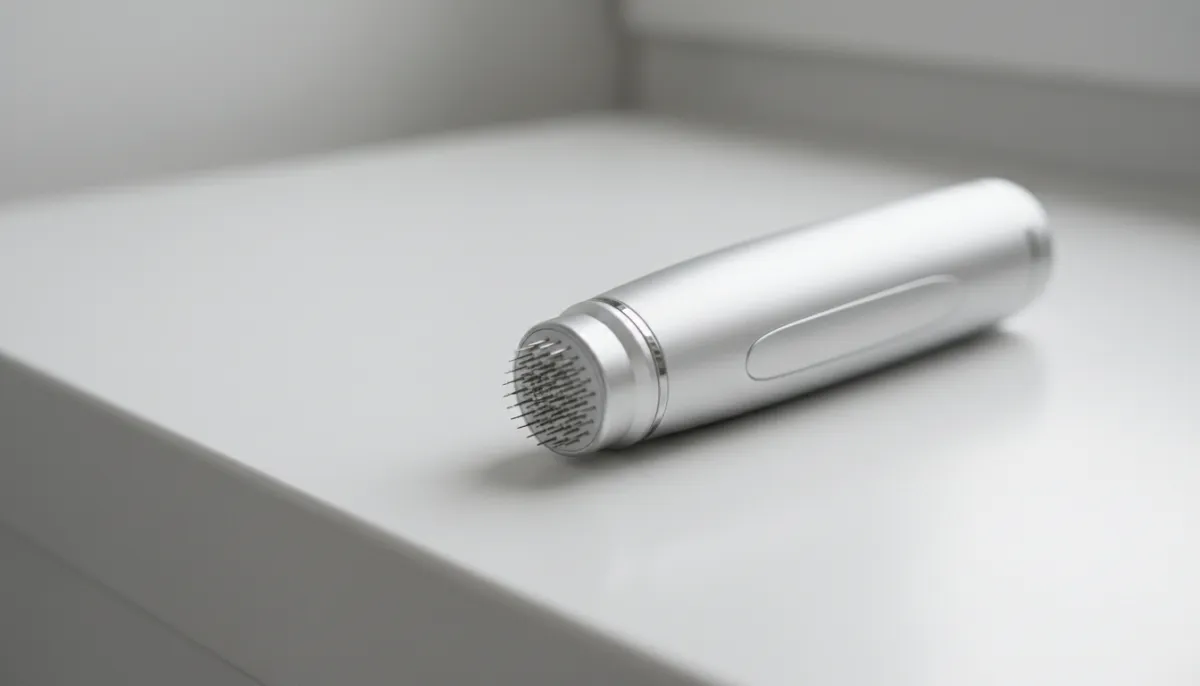
The core of a microneedling facial lies in controlled micro‑injuries created by a device equipped with fine needles, usually ranging from 0.25 mm to 2.5 mm in length. These micro‑channels trigger the body’s natural wound‑healing cascade, releasing growth factors that stimulate collagen induction therapy. As new collagen fibers form, skin becomes tighter and more resilient.
Key Biological Processes
- Platelet activation: Tiny platelets release cytokines that guide tissue repair.
- Growth factor release: Factors such as TGF‑β and PDGF promote fibroblast activity.
- Elastin synthesis: New elastin fibers improve skin elasticity and reduce sagging.
Device Types and Needle Configurations
Professional clinics typically use motorized pens or automated rollers, offering adjustable depth and speed. At‑home microneedling devices exist, but they often lack the precision and sterility required for optimal results, which is why many patients prefer an in‑clinic treatment.
Understanding the mechanism helps set realistic expectations: while the procedure creates micro‑injuries, the skin’s repair response is what ultimately delivers smoother texture and reduced scarring.
Benefits and Expected Results: From Skin Texture to Acne Scars
Patients choose a microneedling facial for a range of aesthetic improvements. The treatment is versatile, addressing everything from fine lines to deep acne scars, making it a popular choice for those seeking comprehensive skin rejuvenation.
Primary Benefits
- Improved texture: Micro‑channels smooth rough patches and refine pore size.
- Reduced hyperpigmentation: Even distribution of melanin leads to a more uniform complexion.
- Scar remodeling: Collagen realignment softens the appearance of acne and surgical scars.
- Enhanced product absorption: Post‑treatment skin absorbs serums and moisturizers more effectively.
Klinisch bewijs en succespercentages
Studies consistently show that patients experience a 30‑45 % improvement in scar depth after a series of three to six sessions. Additionally, the combination of microneedling with platelet‑rich plasma (PRP) can boost collagen production by up to 200 % compared to microneedling alone.
| Benefit | Typical Improvement Timeline | Average Patient Satisfaction |
|---|---|---|
| Fine lines & wrinkles | 4‑6 weeks per session | 85 % |
| Acne scar reduction | 6‑8 weeks per session | 78 % |
| Skin tone uniformity | 2‑4 weeks per session | 82 % |
These outcomes illustrate why the microneedling facial remains a cornerstone of modern aesthetic medicine, delivering measurable improvements without extensive downtime.
What to Expect During a Session: Procedure, Comfort, and Downtime
A typical microneedling facial appointment lasts between 45 and 60 minutes, depending on the depth selected and any adjunctive treatments such as PRP. The process can be broken down into three distinct phases: preparation, treatment, and post‑procedure care.
Preparation
The clinician first cleanses the skin thoroughly and applies a topical anesthetic, usually a lidocaine‑based cream, to minimize discomfort. Most patients report a mild tingling sensation that subsides within 15‑20 minutes.
Behandeling
Using a motorized pen, the practitioner moves the device across the face in overlapping passes, ensuring uniform coverage. Needle depth is customized to address specific concerns—shallower settings for fine lines, deeper for scar tissue.
Downtime and Immediate Aftereffects
- Redness resembling a mild sunburn (1‑2 days)
- Slight swelling or pinpoint bleeding (typically resolves within 24 hours)
- Temporary tightening sensation
Most individuals resume normal activities the day after treatment, though they should avoid intense exercise, direct sunlight, and harsh skincare products for 48‑72 hours.
Understanding the modest downtime helps you plan sessions around work or social commitments, ensuring a seamless integration of the treatment into your lifestyle.
Microneedling with PRP and Advanced Options: Enhancing Outcomes
While traditional microneedling delivers impressive results, many patients opt for the added boost of platelet‑rich plasma (PRP). PRP is derived from the patient’s own blood, concentrated to contain a high level of growth factors that further accelerate tissue regeneration.
PRP Integration Process
- Blood draw (approximately 10 ml)
- Centrifugation to separate platelet‑rich plasma
- Application of PRP onto the skin immediately before microneedling
- Microneedling facilitates deeper penetration of PRP into the dermal layers
Clinical data suggest that microneedling with PRP can reduce the number of required sessions by up to 30 % while delivering smoother texture and more pronounced scar improvement.
Other Advanced Techniques
- Radiofrequency (RF) microneedling: Combines thermal energy with needling for tighter skin.
- Hybrid microneedling‑laser devices: Offer simultaneous collagen stimulation and pigment targeting.
- Combination with topical antioxidants: Vitamin C or peptides applied post‑treatment enhance antioxidant protection.
Choosing the right adjunct depends on individual goals, skin type, and medical history. A qualified practitioner at Gold City Medical Center can assess suitability and design a personalized protocol.
Aftercare and Long‑Term Maintenance: Maximizing Your Investment
Optimal results from a microneedling facial depend not only on the procedure itself but also on diligent aftercare. Proper post‑treatment practices support the skin’s healing cascade and preserve the newly formed collagen network.
Immediate Post‑Treatment Care
- Gentle cleansing: Use a mild, sulfate‑free cleanser for the first 48 hours.
- Hydration: Apply a hyaluronic‑acid serum to maintain moisture and reduce tightness.
- Sun protection: Use a broad‑spectrum SPF 30+ daily; UV exposure can reverse collagen gains.
Long‑Term Maintenance Routine
Most experts recommend a series of 3‑4 sessions spaced 4‑6 weeks apart, followed by maintenance treatments every 4‑6 months. Incorporating complementary skincare—such as retinoids (introduced after the skin has fully healed) and antioxidant serums—can extend the benefits.
Potential Side Effects and When to Seek Help
While rare, some individuals may experience prolonged redness, infection, or pigment changes. If any of these symptoms persist beyond a week, contact a qualified professional for evaluation.
By adhering to these guidelines, you can enjoy smoother, more radiant skin for months to years after your microneedling facial.
Why Choose Gold City Medical Center
Gold City Medical Center combines cutting‑edge technology with a holistic approach to aesthetic medicine. Our team of board‑certified specialists tailors each microneedling facial to your unique skin concerns, ensuring optimal safety and results. With a focus on integrative care, we integrate PRP, RF microneedling, and personalized aftercare protocols to deliver comprehensive rejuvenation. Trust a center that prioritizes evidence‑based practices, patient comfort, and long‑term skin health.
Ready to experience smoother, more radiant skin? Book your microneedling facial consultation today and take the first step toward lasting confidence. Contact Gold City Medical Center now to schedule your personalized treatment plan.
FAQ
What is a microneedling facial and how does it work?
A microneedling facial uses fine needles to create micro‑injuries that trigger the skin’s natural healing response and collagen production.
What are the main benefits of microneedling facial treatments?
Benefits include improved skin texture, reduced hyperpigmentation, scar remodeling, and better absorption of skincare products.
How many microneedling sessions are needed for noticeable results?
Most patients see visible improvement after 3‑4 sessions spaced 4‑6 weeks apart.
What is the difference between microneedling alone and microneedling with PRP?
Adding PRP supplies extra growth factors, accelerating healing and potentially reducing the number of sessions needed.
What is the typical downtime and aftercare after a microneedling facial?
Downtime is minimal—usually 1‑2 days of redness and mild swelling—followed by gentle cleansing, hydration, and strict sun protection.
Are there any risks or side effects associated with microneedling?
Side effects are rare but can include prolonged redness, infection, or pigment changes if aftercare is not followed.





