The prevention of hairfall is a concern for millions of people worldwide, yet many are unsure where to start. Understanding why hair loss occurs and which actions truly make a difference can empower you to protect your scalp and maintain a full, vibrant head of hair. Recent studies show that up to 40 % of men and women experience noticeable thinning by age 35, highlighting the importance of early intervention.
In this article we will explore the underlying causes of hair loss, lifestyle adjustments that support healthy follicles, proven medical treatments, and nutritional strategies that reinforce hair strength. Whether you are dealing with seasonal shedding, genetic predisposition, or stress‑induced thinning, the information here offers a comprehensive roadmap to keep your hair thriving.
By the end of the read, you will have a clear plan of action, know which products are backed by science, and understand when professional help—such as a hair transplant—might be the right next step.
Understanding the Causes of Hairfall
Hair loss is rarely caused by a single factor; it usually results from a combination of genetics, hormonal changes, nutrition, and external stressors. Recognizing the root causes is the first step toward effective prevention of hairfall.
Genetische aanleg
Androgenetic alopecia, commonly known as male‑ or female‑pattern baldness, is driven by genetic sensitivity to dihydrotestosterone (DHT). This hormone shrinks hair follicles over time, leading to thinner strands and eventual shedding. While you cannot change your DNA, early treatment with finasteride for hair loss or topical solutions can slow the process.
Hormonal Fluctuations
Pregnancy, menopause, thyroid disorders, and hormonal birth control can all trigger temporary hair thinning. In many cases, the hair regrows once hormone levels stabilize, but supporting the scalp with gentle care is essential during these periods.
Stress and Lifestyle
Physical or emotional stress can push a larger number of hairs into the resting phase, a condition known as telogen effluvium. This often results in diffuse shedding a few months after a stressful event. Managing stress through mindfulness, regular exercise, and adequate sleep can mitigate this effect.
Voedingstekorten
Lack of iron, zinc, biotin, or essential fatty acids can weaken hair structure, making it more prone to breakage and loss. A balanced diet rich in protein, leafy greens, nuts, and fish supports the production of keratin, the primary protein in hair.
- Common causes: genetics, hormones, stress, nutrition, medical conditions.
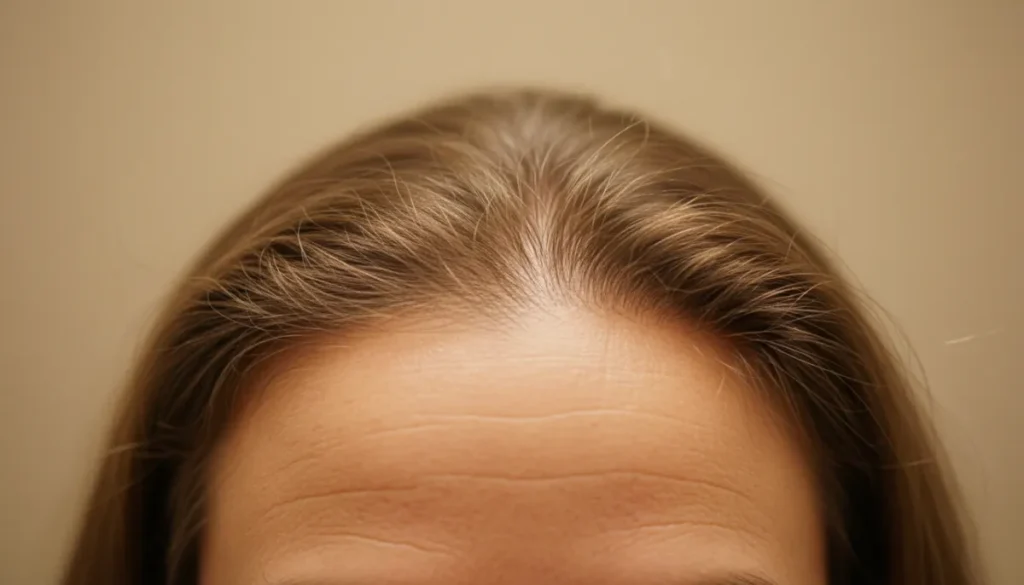
- Typical signs: gradual thinning, receding hairline, widened part, sudden shedding.
- When to seek help: rapid loss, scalp pain, or signs of infection.
Lifestyle Changes to Reduce Hair Loss
Adopting daily habits that nurture the scalp can significantly aid the prevention of hairfall. Small adjustments often yield noticeable results over time.
Scalp Care Routine
Gentle cleansing with a sulfate‑free shampoo removes excess sebum without stripping natural oils. Follow with a light conditioner focused on the ends to avoid buildup near the roots. Avoid excessive heat styling; if you must use a blow dryer or straightener, set it on a low temperature and apply a heat‑protectant spray.
Technieken voor stressbeheer
Incorporate relaxation practices such as yoga, meditation, or deep‑breathing exercises into your schedule. Regular physical activity not only reduces cortisol levels but also improves blood circulation to the scalp, delivering nutrients that support hair growth.
Sleep Hygiene
Aim for 7‑9 hours of quality sleep each night. During deep sleep, the body releases growth hormone, which plays a role in cell regeneration, including hair follicle cells.
Avoiding Harmful Habits
Limit the use of tight hairstyles—like ponytails or braids—that create tension and can cause traction alopecia. Also, reduce exposure to harsh chemicals found in some hair dyes or styling products, as they can weaken the shaft and increase breakage.
| Habit | Impact on Hair | Suggested Alternative |
|---|---|---|
| Daily hot styling | Weakens shaft, increases breakage | Air‑dry or use low‑heat settings |
| Tight ponytails | Traction alopecia | Loose braids or hair accessories |
| Skipping scalp massage | Reduced blood flow | 5‑minute scalp massage with oil |
Proven Medical Treatments and Hair Growth Products
When lifestyle adjustments alone are insufficient, evidence‑based medical options can bolster the prevention of hairfall. Several treatments have undergone rigorous clinical testing and are widely recommended by dermatologists.
Topical Minoxidil
Available over the counter in 2 % and 5 % formulations, minoxidil widens blood vessels in the scalp, enhancing nutrient delivery to follicles. Consistent twice‑daily application can increase hair density within 3‑6 months. It is one of the most common hair loss treatments for both men and women.
Finasteride and Other Oral Medications
Finasteride, a prescription pill, reduces DHT production and is effective for androgenetic alopecia in men. Women of child‑bearing age should avoid it due to potential teratogenic effects. Alternative oral options include dutasteride and low‑dose spironolactone for women.
Platelet‑Rich Plasma (PRP) Therapy
PRP involves drawing a small amount of the patient’s blood, concentrating the platelets, and injecting them into the scalp. Growth factors released from platelets stimulate follicle activity and have shown promising results in early‑stage hair loss.
Hair Growth Supplements
Supplements containing biotin, collagen peptides, zinc, and saw‑tooth oak extract can complement medical treatments. While not a standalone cure, they provide essential nutrients that support keratin production.
- Best hair growth products: minoxidil, finasteride, PRP, nutrient‑rich supplements.
- Typical regimen: topical + oral medication + supplement.
- Consult a specialist before starting any medication.
Nutritional Support and Supplements for Stronger Hair
Nutrition plays a pivotal role in the prevention of hairfall. A diet rich in specific vitamins and minerals can reinforce hair structure and encourage growth.
Key Vitamins and Minerals
Biotine (vitamine B7) strengthens the hair shaft and reduces brittleness. Vitamine D deficiency has been linked to alopecia, making sunlight exposure or supplementation important. IJzer is essential for oxygen transport to follicles; low ferritin levels are a common cause of diffuse hair loss, especially in women.
Omega‑3 Fatty Acids
Found in fatty fish, flaxseed, and walnuts, omega‑3s reduce inflammation and improve scalp health. They also increase the fluidity of cell membranes, facilitating nutrient exchange.
Protein Intake
Hair is composed of keratin, a protein. Adequate daily protein—approximately 0.8 g per kilogram of body weight—supports continuous hair production. Include lean meats, legumes, dairy, or plant‑based protein sources.
| Nutrient | Food Sources | Recommended Daily Amount |
|---|---|---|
| Biotin | Eggs, almonds, sweet potatoes | 30 µg |
| IJzer | Spinach, red meat, lentils | 8 mg (men), 18 mg (women) |
| Vitamine D | Salmon, fortified milk, sunlight | 600 IU |
| Omega‑3 | Salmon, chia seeds, walnuts | 250‑500 mg EPA/DHA |
Combining a balanced diet with targeted supplements can create an internal environment that favors hair resilience and reduces shedding.
When to Consider Hair Transplant Options
For individuals with advanced thinning or pattern baldness, even the best preventive measures may not restore lost density. In such cases, a hair transplant can provide a permanent solution, aligning with the broader goal of prevention of hairfall by addressing existing gaps.
Types of Transplant Techniques
Folliculaire Eenheidsextractie (FUE) removes individual grafts from a donor area—typically the back of the scalp—and implants them into thinning zones. This method leaves minimal scarring and offers a natural look. Follicular Unit Transplantation (FUT) involves harvesting a strip of scalp, which yields a larger number of grafts in a single session but may leave a linear scar.
Ideale kandidaten
Good candidates have sufficient donor hair, realistic expectations, and stable hair loss patterns. Both men and women can benefit, though the technique may vary based on gender‑specific patterns.
Herstel en resultaten
Post‑procedure care includes gentle washing, avoiding direct sunlight, and using prescribed topical treatments to support graft survival. Visible growth typically begins within 3‑4 months, with full results evident after 12‑18 months.
- Consultation: assess hair loss stage and donor availability.
- Procedure: FUE or FUT based on individual needs.
- Aftercare: medication, gentle scalp hygiene, follow‑up visits.
Why Choose Gold City Medical Center
Gold City Medical Center combines cutting‑edge technology with a holistic approach to hair health. Our team of certified dermatologists and hair restoration specialists tailors each treatment plan to the individual’s unique needs, whether you are seeking preventive care, medical therapy, or a full‑scale hair transplant. With a reputation for safety, efficacy, and personalized attention, we empower patients to achieve lasting confidence and a healthier scalp.
Ready to take control of your hair health? Contact Gold City Medical Center today for a personalized consultation and discover the most effective strategies for the prevention of hairfall.
Call us or fill out our online form to schedule your appointment and start your journey toward stronger, fuller hair.
FAQ
What are the main causes of hairfall?
Hairfall is typically caused by genetics, hormonal changes, nutritional deficiencies, stress, and certain medical conditions.
How can lifestyle changes help prevent hair loss?
Adopting a gentle scalp care routine, managing stress, getting adequate sleep, and avoiding harsh styling can reduce hairfall.
Which medical treatments are most effective for preventing hairfall?
Topical minoxidil, oral finasteride, PRP therapy, and targeted supplements are the most evidence‑based options.
What nutrients and supplements support healthy hair growth?
Biotin, iron, vitamin D, omega‑3 fatty acids, and adequate protein are key for strong hair.
When is a hair transplant recommended?
A hair transplant is advised for advanced thinning or pattern baldness when other preventive measures are insufficient.
How does stress affect hair loss and how can it be managed?
Stress can trigger telogen effluvium, causing diffuse shedding, and can be managed through relaxation techniques and regular exercise.





