Everyone wonders how to immediately relieve stress when a sudden surge of tension hits. In today’s fast‑paced world, stress can appear out of nowhere, leaving you feeling overwhelmed and unable to focus. This article outlines practical, evidence‑based techniques that you can apply in seconds to calm your nervous system and restore balance.
Research shows that chronic stress contributes to headaches, sleep disturbances, and even long‑term health issues such as hypertension. By mastering rapid stress‑relief methods, you protect both your mental and physical well‑being. Below, we explore breathing exercises, mindful movement, mental visualization, lifestyle hacks, aromatherapy, and professional support—all designed to give you instant relief.
Whether you’re at work, at home, or on the go, these strategies require minimal equipment and can be integrated into your daily routine. Let’s dive into the most effective ways to reduce anxiety, improve focus, and feel more relaxed right now.
Simple Breathing Techniques for Instant Calm
Breathing is the most accessible tool for managing stress, and it directly influences the autonomic nervous system. When you practice controlled breathing, you activate the parasympathetic response, which slows heart rate and lowers cortisol levels.
Box Breathing
Box breathing follows a four‑step pattern: inhale for four seconds, hold for four, exhale for four, and pause for four. Repeat this cycle three to five times. This method is popular among athletes and military personnel for its ability to quickly restore composure.
4‑7‑8 Technique
Inhale quietly through the nose for a count of four, hold the breath for seven seconds, then exhale slowly through the mouth for eight seconds. The extended exhale helps release tension and can be used before a stressful meeting or presentation.
- Find a comfortable seated position.
- Close your eyes to reduce visual distractions.
- Focus solely on the rhythm of your breath.
These techniques are especially useful for anxiety management and can be combined with meditation techniques for deeper relaxation.
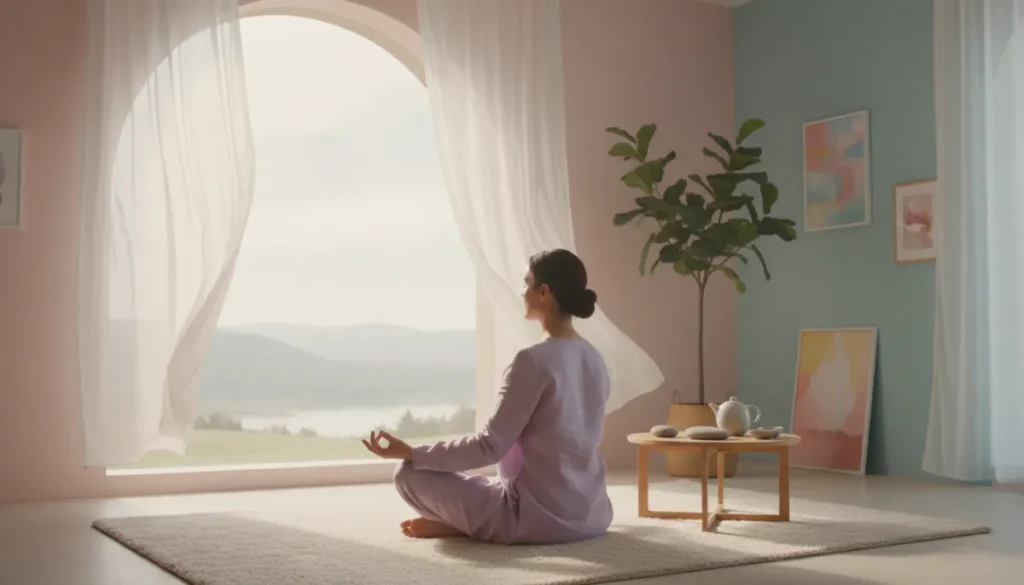
Mindful Movement: Stretching and Light Exercise
Physical activity releases endorphins, the body’s natural mood elevators, and helps reduce the physiological symptoms of stress. Even brief, gentle movements can shift your focus away from racing thoughts and improve circulation.
Neck and Shoulder Release
Start by gently rolling your shoulders forward and backward five times each. Then tilt your head toward each shoulder, holding for 15 seconds per side. This simple routine eases tension that often accumulates from prolonged screen time.
Standing Forward Fold
Stand with feet hip‑width apart, hinge at the hips, and let your torso hang toward the floor. Allow your head and neck to relax, and breathe deeply for 30 seconds. This pose stretches the hamstrings and promotes a sense of surrender.
| Movement | Duration | Benefit |
|---|---|---|
| Shoulder Rolls | 30 seconds | Reduces upper‑body tension |
| Neck Stretches | 30 seconds each side | Improves cervical mobility |
| Forward Fold | 30 seconds | Calms the nervous system |
Incorporating these stretches into your work break can dramatically improve stress management and enhance overall productivity.
Rapid Mental Shifts: Visualization and Grounding
When thoughts race, visualizing a peaceful scene can interrupt the stress loop. Grounding techniques anchor you in the present moment, reducing the impact of anxiety and helping you regain control.
5‑5‑5 Grounding
Identify five things you can see, five you can touch, and five you can hear. This sensory exercise distracts the mind from worry and promotes mindfulness without the need for formal meditation.
Guided Imagery
Close your eyes and picture a place where you feel safe—perhaps a beach, forest, or mountain cabin. Engage all senses: feel the breeze, hear the waves, smell the pine. Spend two minutes fully immersed in this mental retreat.
- Use a calm voice or a recorded script for guidance.
- Practice daily to strengthen the mental pathway.
- Combine with breathing for enhanced effect.
These strategies are part of stress reduction techniques that can be used anywhere, from a crowded subway to a quiet office.
Quick Lifestyle Hacks: Hydration, Nutrition, and Environment
Small adjustments to daily habits can have a big impact on how quickly you can relieve stress. Proper hydration, balanced nutrition, and a calming environment support the body’s ability to manage stress hormones.
Hydratatie
Dehydration can mimic anxiety symptoms such as rapid heartbeat and irritability. Aim for at least 2 liters of water per day, and consider adding a pinch of sea salt for electrolyte balance during intense stress periods.
Voeding
Complex carbohydrates, omega‑3 fatty acids, and magnesium‑rich foods (like leafy greens, nuts, and seeds) stabilize blood sugar and support neurotransmitter function, which helps lower anxiety levels.
| Voedsel | Key Nutrient | Stress‑Relief Benefit |
|---|---|---|
| Salmon | Omega‑3 | Reduces cortisol |
| Spinach | Magnesium | Calms nervous system |
| Oats | Complex carbs | Stabilizes mood |
Environment
Declutter your workspace, introduce natural light, and use soft background sounds (like white noise or gentle music). A tidy, well‑lit area promotes mental clarity and reduces the triggers of chronic stress.
Instant Stress Relief with Aromatherapy and Sound
Aromatherapy uses essential oils to stimulate the limbic system, the brain region that controls emotions. Combined with soothing soundscapes, it creates a multi‑sensory approach to rapid relaxation.
Essential Oils
Lavender, bergamot, and chamomile are proven to lower heart rate and reduce perceived stress. Apply a few drops to a diffuser or place a scented cotton ball on your workstation.
Sound Therapy
Listening to nature sounds—rain, ocean waves, or forest ambience—can lower blood pressure within minutes. Use headphones for a more immersive experience, especially in noisy environments.
- Choose oils with a light, fresh scent for daytime use.
- Opt for low‑frequency ambient tracks for evening relaxation.
- Combine with deep breathing for maximum effect.
These sensory tools complement mental health tips and provide a quick pathway to calm without medication.
Professional Support: When to Seek Medical or Therapeutic Help
While self‑help techniques are valuable, chronic or severe stress may require professional intervention. Recognizing the signs that stress is becoming unmanageable is crucial for long‑term health.
When to Consult a Specialist
If you experience persistent headaches, sleep disturbances, or anxiety attacks despite using immediate relief methods, consider speaking with a healthcare provider. Early treatment can prevent stress from evolving into chronic conditions such as depression or cardiovascular disease.
Therapeutic Options
Evidence‑based therapies—including cognitive‑behavioral therapy (CBT), mindfulness‑based stress reduction (MBSR), and biofeedback—offer structured approaches to coping skills development. These programs teach you how to identify stress triggers and implement sustainable coping mechanisms.
| Therapie | Focus | Typical Duration |
|---|---|---|
| CBT | Thought restructuring | 8‑12 weeks |
| MBSR | Mindful awareness | 8 weeks |
| Biofeedback | Physiological regulation | 4‑6 sessions |
Gold City Medical Center offers integrative services that combine medical assessment with personalized stress‑relief plans, ensuring you receive comprehensive care tailored to your needs.
Why Choose Gold City Medical Center
Gold City Medical Center delivers a holistic approach to health, blending advanced medical treatments with wellness strategies such as stress management, beauty services, and hair restoration. Our experienced team creates individualized plans that address both physical and emotional well‑being, helping you achieve lasting relief and optimal health.
Ready to take control of your stress today? Contact Gold City Medical Center to schedule a personalized consultation and discover the fast‑acting techniques that work for you.
FAQ
How can I instantly relieve stress with breathing techniques?
Use box breathing or the 4‑7‑8 technique, each lasting a few minutes, to activate the parasympathetic nervous system and lower cortisol.
What are simple stretching exercises to reduce stress at work?
Neck and shoulder rolls plus a standing forward fold can release muscular tension and improve circulation in just 30 seconds each.
How does visualization help in rapid stress reduction?
Guided imagery creates a mental safe space that distracts the mind from anxiety and triggers the body’s relaxation response.
Which foods and hydration habits support quick stress relief?
Staying hydrated and eating omega‑3 rich fish, magnesium‑laden greens, and complex‑carb oats help balance stress hormones and stabilize mood.
How can aromatherapy and sound therapy be used for immediate calm?
Diffuse lavender or bergamot essential oil and listen to nature sounds to engage the limbic system and lower heart rate within minutes.
When should I seek professional help for stress?
If stress causes persistent headaches, sleep problems, or anxiety attacks despite self‑help methods, consult a healthcare provider.





