Rash photos in adults are a valuable visual tool for both patients and clinicians when trying to pinpoint the cause of a skin eruption. Whether you notice a sudden outbreak of red spots, itchy welts, or flaky patches, having a clear image can guide the next steps toward proper care. In the Netherlands alone, skin conditions affect more than 30% of the adult population each year, making early recognition essential.
This article walks you through the most common adult rash types, shows how to interpret rash photos for self‑assessment, and explains when professional evaluation is necessary. By the end, you’ll be equipped to differentiate between harmless irritations and conditions that require medical attention, such as urticaria or an allergic reaction rash.
We’ll also discuss treatment options available at Gold City Medical Center, where integrative approaches combine medical expertise with personalized care. Let’s begin by exploring the visual signatures of the most frequent skin rashes seen in adults.
Common Types of Adult Skin Rashes
Understanding the visual patterns of different rashes helps you narrow down potential triggers. Below is a concise overview of the most frequently encountered rash types in adults, each accompanied by characteristic features you might see in a photograph.
| Rash Type | Typical Appearance | Veelvoorkomende triggers |
|---|---|---|
| Urticaria (Hives) | Raised, red or skin‑colored welts that often blanch with pressure | Allergens, stress, temperature changes |
| Contact Dermatitis | Red, itchy patches with possible vesicles | Poison ivy, chemicals, cosmetics |
| Chickenpox (Varicella) | Clustered red spots that evolve into fluid‑filled blisters | Varicella‑zoster virus |
| Psoriasis | Silvery scales on well‑defined plaques | Genetic predisposition, immune dysfunction |
| Eczema (Atopic Dermatitis) | Dry, red, and often weepy patches | Allergic triggers, dry skin, stress |
When you compare your own rash photos to these visual cues, pay attention to the distribution (localized vs. widespread), the texture (smooth, scaly, or vesicular), and any accompanying symptoms such as itching or pain.
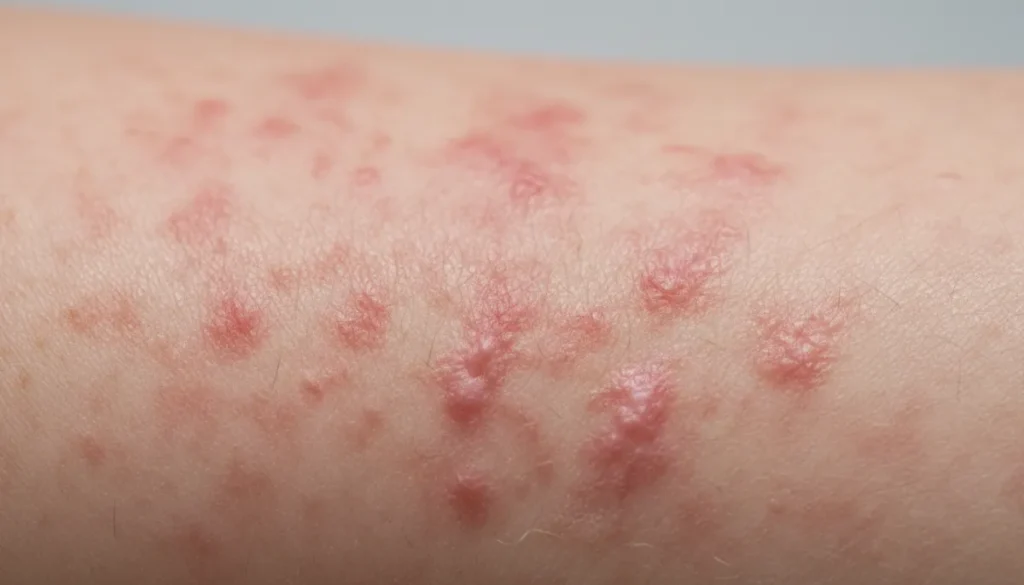
How to Use Rash Photos for Self‑Assessment
While a photo cannot replace a professional diagnosis, it can help you decide whether to monitor the rash at home or seek immediate care. Follow these practical steps to make the most of your rash photos:
- Capture clear images: Use natural lighting, focus on the affected area, and include a size reference such as a ruler or a coin.
- Take multiple angles: Photograph the rash from different perspectives to reveal shape and spread.
- Document timing: Note when the rash first appeared and any changes over 24‑hour intervals.
- Record associated symptoms: Itching intensity, pain, fever, or swelling.
- Compare with trusted resources: Use reputable medical websites or the image library at Gold City Medical Center for visual matching.
After gathering this information, ask yourself the following questions:
- Does the rash match any of the common patterns described above?
- Is the rash rapidly expanding or becoming more painful?
- Are there systemic signs like fever or difficulty breathing?
If you answer “yes” to the last two questions, it’s time to schedule an appointment. For milder presentations, you may monitor the rash for a few days while applying soothing measures such as cool compresses or hypoallergenic moisturizers.
When to Seek Medical Evaluation
Even with detailed rash photos, certain signs demand prompt professional attention. Below is a checklist of red‑flag symptoms that indicate you should visit Gold City Medical Center or another qualified clinic without delay.
| Red‑Flag Sign | Why It Matters | Recommended Action |
|---|---|---|
| Rapid spreading of rash | May signal infection or severe allergic reaction | Seek urgent care |
| Difficulty breathing or swelling of lips/tongue | Signs of anaphylaxis | Call emergency services immediately |
| High fever (>38.5 °C) with rash | Possible systemic infection | Consult a physician promptly |
| Persistent itching despite antihistamines | May indicate chronic urticaria or underlying disease | Schedule an appointment for further testing |
| Rash on face or genitals with pain | Sensitive areas require careful evaluation | Visit a dermatologist or integrated care specialist |
Gold City Medical Center offers comprehensive dermatological assessments, including dermatoscopic imaging and laboratory testing, to pinpoint the exact cause of complex rashes. Early intervention can prevent complications and accelerate recovery.
Treatment Options Overview
Once a diagnosis is confirmed, treatment is tailored to the specific rash type and its underlying cause. Below is an overview of the most common therapeutic approaches you may encounter at Gold City Medical Center.
- Topical corticosteroids: Reduce inflammation in conditions such as eczema and contact dermatitis.
- Antihistamines (oral or topical): Effective for hives and allergic reaction rash.
- Antibiotic or antiviral creams: Used when bacterial infection or viral agents like chickenpox are present.
- Systemic medications: Includes oral steroids, immunosuppressants, or biologics for severe psoriasis or chronic urticaria.
- Natural and integrative remedies: Aloe vera gel, oatmeal baths, and stress‑reduction techniques complement medical therapy.
Our physicians consider each patient’s medical history, lifestyle, and aesthetic preferences when recommending a plan. For example, a patient concerned about potential skin thinning from prolonged steroid use may receive a short‑course regimen combined with gentle moisturizers and phototherapy.
Follow‑up appointments are essential to monitor response and adjust treatment. Gold City Medical Center’s integrative model ensures that dermatological care aligns with overall health goals, including skin‑friendly nutrition advice and wellness coaching.
Preventive Measures and Lifestyle Tips
Preventing future rashes often starts with simple daily habits. Incorporate these evidence‑based practices into your routine to maintain healthy skin and reduce the likelihood of flare‑ups.
- Maintain skin hydration: Use fragrance‑free moisturizers twice daily, especially after bathing.
- Identify and avoid triggers: Keep a diary of foods, medications, and environmental exposures that precede a rash.
- Practice safe skin care: Choose mild, pH‑balanced cleansers; avoid excessive scrubbing.
- Protect against irritants: Wear gloves when handling chemicals or plants such as poison ivy.
- Manage stress: Incorporate relaxation techniques like meditation, which can lessen urticaria episodes.
Regular skin examinations at Gold City Medical Center allow early detection of subtle changes before they develop into visible rashes. Our integrative team can also advise on personalized skincare regimens that align with your aesthetic goals, whether you are preparing for a beauty treatment or simply aiming for everyday comfort.
Why Choose Gold City Medical Center
Gold City Medical Center combines cutting‑edge medical expertise with a holistic approach to skin health. Our multidisciplinary team includes dermatologists, integrative physicians, and aesthetic specialists who collaborate to deliver personalized treatment plans. Whether you are seeking diagnosis of an unfamiliar rash or looking for a gentle, effective skin‑care regimen, we prioritize safety, evidence‑based practice, and patient comfort. Experience comprehensive care that addresses both the visible symptoms and the underlying health factors.
Ready to get a professional evaluation of your rash? Contact Gold City Medical Center today to schedule a comprehensive skin assessment and receive a tailored treatment plan.
Take the first step toward clear, healthy skin—call us now or fill out our online appointment form.
FAQ
What are the most common types of rashes in adults?
The most common adult rashes include urticaria (hives), contact dermatitis, chickenpox, psoriasis, and eczema.
How can I use rash photos for self‑assessment?
Take clear, well‑lit photos from multiple angles, note timing and symptoms, then compare with trusted resources.
What red‑flag signs indicate I need immediate medical attention?
Rapid spreading, difficulty breathing, high fever, persistent itching, and painful rashes on face or genitals are red‑flags.
What treatment options are available for adult rashes at Gold City Medical Center?
Treatments include topical corticosteroids, antihistamines, antimicrobial creams, systemic medications, and integrative remedies.
How can I prevent future skin rashes?
Maintain hydration, avoid known triggers, use gentle skin care products, protect against irritants, and manage stress.





