Omgaan met really thin hair can feel frustrating, especially when everyday styling feels like a battle against volume loss. In this article we explore why hair becomes fine, practical care routines, medical options, and styling ideas that restore confidence. Did you know that up to 40% of women notice noticeable thinning by age 30, and a similar proportion of men experience early signs of androgenetic alopecia? Understanding the root causes is the first step toward a tailored solution that works for you.
We will walk through the most common reasons behind fine strands, from genetics to lifestyle factors, and explain how each influences hair density. You’ll learn everyday habits that protect fragile hair, the latest medical treatments available at Gold City Medical Center, and styling techniques that add the illusion of thickness without damaging the scalp.
Whether you are seeking a non‑invasive routine, considering a hair transplant, or simply want a flattering haircut, this guide equips you with evidence‑based information to make informed decisions and achieve healthier‑looking hair.
Understanding the Causes of Really Thin Hair
Identifying the underlying cause of really thin hair is essential for selecting the most effective treatment. Hair thinning can stem from a range of medical, hormonal, and environmental factors, each requiring a different approach.
Genetische factoren
Androgenetic alopecia, commonly known as male or female pattern baldness, is the leading cause of thinning hair worldwide. This hereditary condition affects the hair follicles’ growth cycle, shortening the anagen (growth) phase and leading to finer strands over time.
Hormonale onevenwichtigheden
Fluctuations in hormones such as estrogen, progesterone, and thyroid hormones can trigger diffuse hair loss. Conditions like hypothyroidism or polycystic ovary syndrome (PCOS) often present with hair thinning alopecia as an early symptom.
Autoimmune Disorders
Alopecia areata is an autoimmune disease where the immune system attacks hair follicles, causing sudden patches of hair loss that can evolve into generalized thinning. While the exact cause remains unknown, stress and genetics play contributory roles.
External Stressors
- Traction alopecia from tight hairstyles
- Frequent heat styling and harsh chemical treatments
- Nutrient deficiencies, especially iron, zinc, and biotin
- Chronic stress leading to telogen effluvium
Understanding whether your hair loss is due to alopecia, hormonal changes, or lifestyle factors helps clinicians design a personalized plan. At Gold City Medical Center, a thorough diagnostic work‑up—including scalp analysis and blood tests—pinpoints the exact cause before recommending treatment.
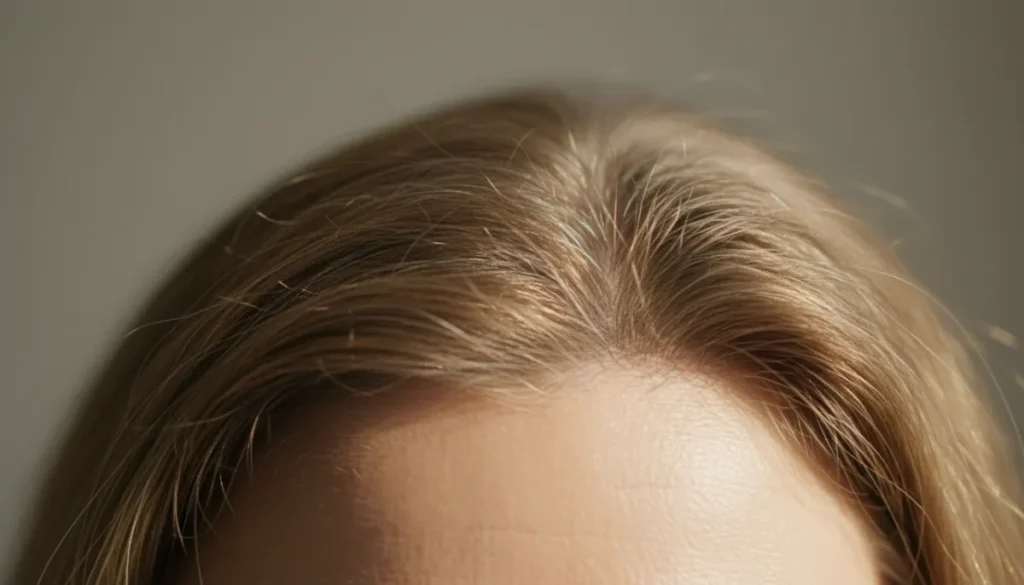
Everyday Care Tips for Really Thin Hair
While medical interventions are valuable, daily habits play a crucial role in preserving volume and preventing further loss. Below are evidence‑based practices that protect really thin hair from damage and promote a healthier appearance.
Gentle Cleansing
Choose a sulfate‑free shampoo formulated for fine hair. These formulas cleanse without stripping natural oils that keep the scalp moisturized. Look for ingredients such as panthenol, niacinamide, and mild surfactants.
Conditioning Strategies
- Apply conditioner only to the mid‑lengths and ends, avoiding the scalp.
- Use a lightweight, silicone‑free leave‑in conditioner to add slip without weighing hair down.
- Consider a weekly deep‑conditioning mask with keratin or hydrolyzed wheat protein.
Scalp Stimulation
Massaging the scalp for 2–3 minutes each day boosts blood flow, delivering nutrients to hair follicles. A simple technique involves using fingertips in circular motions while applying a few drops of rosemary or peppermint essential oil diluted in a carrier oil.
Heat and Styling
Limit the use of flat irons and curling wands to once a week. When heat styling is necessary, set the temperature below 180 °C (350 °F) and always apply a heat protectant spray. Opt for loose braids or soft waves rather than tight ponytails that can cause traction alopecia.
| Practice | Benefit for Thin Hair | Recommended Frequency |
|---|---|---|
| Gentle Shampoo | Preserves natural oils, reduces breakage | Every wash (2–3 times/week) |
| Light Conditioner | Adds slip, prevents tangles | Every wash |
| Scalp Massage | Improves circulation, stimulates follicles | Daily |
| Heat Styling | Creates volume but can cause damage | Max 1‑2 times/week |
Integrating these habits can significantly improve the look of really thin hair, making it appear fuller and more resilient.
Medical Treatments and Procedures
When lifestyle changes are insufficient, medical options can provide measurable improvement for really thin hair. Gold City Medical Center offers a range of evidence‑based treatments tailored to individual diagnoses.
Topical Therapies
Minoxidil (commonly known as Rogaine) is an FDA‑approved topical solution that prolongs the anagen phase and increases follicle size. It is effective for both androgenetic alopecia and diffuse thinning. Typical usage is 1 ml applied twice daily to the scalp.
Oral Medications
Finasteride, a 5‑α‑reductase inhibitor, reduces dihydrotestosterone (DHT) levels, a key factor in male pattern baldness. Women of childbearing age should avoid this medication due to teratogenic risk.
Platelet‑Rich Plasma (PRP) Therapy
PRP involves drawing a small amount of the patient’s blood, centrifuging it to concentrate platelets, and injecting the plasma into the scalp. Growth factors in PRP stimulate dormant follicles and improve hair density over multiple sessions.
Hair Transplant Surgery
For permanent restoration, Follicular Unit Extraction (FUE) transplants individual grafts from a donor area (typically the occipital scalp) to thinning zones. This technique yields natural‑looking results with minimal scarring.
| Behandeling | Mechanism | Typical Sessions | Expected Results |
|---|---|---|---|
| Minoxidil (Topical) | Vasodilation, follicle enlargement | Daily application | Gradual thickening in 3‑6 months |
| Finasteride (Oral) | DHT suppression | Daily tablet | Stabilization, modest regrowth |
| PRP-therapie | Growth‑factor stimulation | 3‑4 sessions, 4‑6 weeks apart | Increased density, improved texture |
| FUE Hair Transplant | Graft relocation | 1‑2 surgical days | Permanent, natural‑looking coverage |
Each option has distinct benefits and considerations. A certified specialist at Gold City Medical Center conducts a comprehensive assessment—including scalp photography and trichoscopic analysis—to recommend the most suitable plan for your specific type of really thin hair.
Styling and Haircut Ideas for Very Fine Hair
Strategic styling can create the illusion of volume, making really thin hair look fuller without invasive procedures. Below are haircut and styling recommendations that work well for fine strands.
Haircut Recommendations
- Layered Bob: Short to medium length layers add movement and prevent the hair from lying flat against the scalp.
- Long Layers with Face‑Framing Pieces: Keeping length while adding subtle layers creates dimension and hides thinning areas.
- Blunt Cut with Textured Ends: A clean line at the base provides a thickened silhouette, while lightly texturizing the ends prevents a heavy look.
- Pixie Cut: Very short styles reduce the weight on fine hair and showcase scalp health.
Styling Techniques
Use volumizing products sparingly—mousse or lightweight spray applied at the roots before blow‑drying can lift hair without weighing it down. A round brush and a low heat setting create lift at the crown.
Consider adding subtle waves or curls with a large‑barrel curling wand. The curvature adds bulk, especially when the curls are loosely defined. Finish with a light hairspray for hold.
Accessories such as headbands or clips placed near the crown can create visual height. Avoid heavy hair accessories that pull the hair tightly, as they may exacerbate traction alopecia.
When selecting a color, opting for slightly lighter shades or strategically placed lowlights can add dimension, making hair appear thicker. Professional colorists can blend tones to avoid an over‑processed look that could further weaken fine strands.
Nutrition and Lifestyle Support for Hair Health
Dietary choices and overall lifestyle have a measurable impact on the health of really thin hair. Providing the scalp with essential nutrients supports follicle function and can slow the progression of thinning.
Key Nutrients
- Eiwit: Hair is primarily keratin, a protein. Include lean meats, legumes, and dairy to supply amino acids.
- IJzer: Deficiency is a common cause of diffuse hair loss. Red meat, spinach, and fortified cereals are good sources.
- Biotin (Vitamin B7): Supports keratin production; found in eggs, nuts, and whole grains.
- Zinc: Plays a role in DNA synthesis within hair follicles; sources include pumpkin seeds and oysters.
- Omega‑3 Fatty Acids: Anti‑inflammatory properties help maintain a healthy scalp; found in fatty fish, flaxseed, and walnuts.
Lifestyle Practices
Regular moderate exercise improves circulation, delivering oxygen and nutrients to the scalp. Aim for at least 150 minutes of aerobic activity per week.
Stress management techniques—such as mindfulness meditation, yoga, or deep‑breathing exercises—reduce cortisol levels that can trigger telogen effluvium, a temporary shedding phase.
Adequate sleep (7‑9 hours nightly) is essential for cellular repair, including hair follicle regeneration. Limit alcohol and smoking, both of which can impair blood flow to the scalp.
Combining these nutritional and lifestyle habits with the care strategies outlined earlier creates a comprehensive plan that addresses really thin hair from the inside out.
Why Choose Gold City Medical Center
Gold City Medical Center combines integrative medicine with cutting‑edge cosmetic expertise, offering personalized solutions for really thin hair. Our multidisciplinary team includes dermatologists, trichologists, and certified hair‑restoration surgeons who collaborate to create a treatment plan tailored to your unique condition. State‑of‑the‑art facilities, advanced diagnostic tools, and a commitment to patient education ensure you receive safe, effective, and lasting results.
Ready to transform your hair and regain confidence? Contact Gold City Medical Center today to schedule a comprehensive scalp assessment and discover the best solution for your thin hair.
Call us or fill out our online consultation form—your journey to fuller, healthier hair starts now.
FAQ
What are the main causes of really thin hair?
Thin hair can result from genetics, hormonal imbalances, autoimmune disorders, and external stressors like heat styling or nutrient deficiencies.
How can I care for really thin hair on a daily basis?
Use sulfate‑free shampoo, apply conditioner only to mid‑lengths, massage the scalp, limit heat, and use lightweight styling products.
Which medical treatments are effective for thin hair?
Topical minoxidil, oral finasteride, platelet‑rich plasma (PRP) therapy, and follicular unit extraction (FUE) hair transplant are proven options.
Is PRP therapy safe and how does it work for hair thinning?
PRP is a safe, minimally invasive procedure that injects concentrated platelets to stimulate follicle growth and improve density.
What haircut styles add volume to fine hair?
Layered bobs, long layers with face‑framing pieces, textured blunt cuts, and pixie cuts create movement and the illusion of thickness.
Can lifestyle changes improve really thin hair?
Yes, balanced nutrition, stress management, and avoiding harsh styling can strengthen thin hair over time.





