When you wonder what is the reason of hair fall in female, you are not alone—millions of women experience thinning strands each year. Understanding the underlying causes is the first step toward effective treatment and long‑term hair health. Recent studies show that up to 40 % of women will notice noticeable hair loss by the age of 35, making it a common yet often misunderstood condition.
In this article we will explore the most frequent medical, nutritional, and lifestyle factors that trigger hair shedding in women. We will also outline how specialists diagnose the problem and which evidence‑based therapies can restore density and confidence.
By the end of the guide, you’ll have a clear picture of why hair fall occurs, what you can do to prevent further loss, and when professional help is essential.
Hormonal Imbalances: Causes and Impact
Hormones play a pivotal role in regulating the hair growth cycle. Fluctuations in estrogen, progesterone, and androgen levels can shift follicles into the resting (telogen) phase, leading to increased shedding. This is why many women notice a spike in hair loss during puberty, pregnancy, and menopause.
Schildklieraandoeningen
Both hypothyroidism and hyperthyroidism disrupt the metabolic balance required for healthy hair follicles. Symptoms often include brittle hair, scalp itching, and overall fatigue.
Polycystic Ovary Syndrome (PCOS)
PCOS is characterized by elevated androgen production, which can mimic male‑pattern baldness in women. Common signs are oily scalp, acne, and irregular periods.
Menopauze
During menopause, estrogen levels decline sharply, while relative androgen activity rises. This hormonal shift frequently results in diffuse thinning across the crown.
Key symptoms of hormonal‑related hair loss include:
- Gradual widening of the part line
- Increased shedding during washing
- Fine, silky texture of new hair growth
Below is a comparison of typical hormone level changes and their hair‑related manifestations:
| Condition | Hormone Change | Hair Effect |
|---|---|---|
| Hypothyroidism | ↓ Thyroid hormones | Dry, brittle hair; increased breakage |
| PCOS | ↑ Androgens | Hair thinning on the frontal scalp |
| Menopauze | ↓ Estrogen, ↑ Androgen ratio | Diffuse thinning, reduced density |
Addressing hormonal roots often involves endocrine evaluation, lifestyle adjustments, and sometimes medication such as low‑dose oral contraceptives or anti‑androgens. When you ask what is the reason of hair fall in female, the answer frequently points to hormonal imbalance.
Nutritional Deficiencies and Their Role
Hair is a protein structure, and its growth depends on a steady supply of essential nutrients. Deficiencies in iron, vitamin D, and certain B‑vitamins are among the most common culprits behind female hair loss.
Iron Deficiency
Iron supports hemoglobin production, which transports oxygen to hair follicles. Low ferritin levels (<30 ng/mL) correlate strongly with telogen effluvium, a condition where large numbers of hairs enter the resting phase simultaneously.
Vitamin D Shortage
Vitamin D receptors are present in dermal papilla cells; insufficient levels may impair follicular cycling, leading to weaker strands.
Protein and Essential Fatty Acids
Keratin, the main protein of hair, requires adequate dietary protein. Omega‑3 fatty acids, found in fish oil, help reduce inflammation that can damage follicles.
Foods that boost hair‑supporting nutrients include:
- Red meat, lentils, and spinach for iron
- Fatty fish, fortified dairy, and sunshine for vitamin D
- Eggs, Greek yogurt, and nuts for protein and omega‑3s
A quick reference of common deficiencies and associated hair symptoms:
| Nutrient | Deficiency Sign | Hair Symptom |
|---|---|---|
| IJzer | Fatigue, pallor | Diffuse thinning, increased shedding |
| Vitamine D | Bone pain, mood changes | Patchy loss, brittle strands |
| Biotin (B7) | Skin rash, brittle nails | Fine, weak hair |
Correcting these gaps through diet or supplementation often yields noticeable improvement within three to six months. For many women, the answer to what is the reason of hair fall in female lies in simple nutritional adjustments.
Stress and Lifestyle Factors
Physical and emotional stress can precipitate a type of hair loss called telogen effluvium, where a sudden shock pushes a large number of follicles into the telogen phase. This condition often appears weeks after the triggering event.
Physical Stressors
Intense exercise, surgery, or severe illness increase cortisol levels, which can disrupt the hair cycle. Rapid weight loss diets that lack essential nutrients also fall under this category.
Emotional Stress
Chronic anxiety, grief, or high‑pressure work environments raise systemic stress hormones, leading to diffuse shedding.
Hairstyling Practices
Frequent tight ponytails, braids, or heat styling cause traction alopecia and mechanical damage. Over‑processing with chemicals can weaken the shaft and irritate the scalp.
Practical steps to mitigate stress‑related hair loss:
- Adopt a balanced exercise routine (moderate intensity, 150 min/week).
- Practice relaxation techniques such as deep breathing, yoga, or meditation.
- Ensure a nutrient‑dense diet during any weight‑loss plan.
- Avoid tight hairstyles and limit heat styling to once a week.
When you ask what is the reason of hair fall in female, lifestyle factors often surface as a modifiable cause. Addressing them early can prevent permanent follicular damage.
Medical Conditions and Medications
Beyond hormones and nutrition, several medical disorders directly affect hair follicles. Autoimmune diseases, dermatological conditions, and certain prescription drugs are notable contributors.
Autoimmune Alopecia
Alopecia areata is an unpredictable condition where the immune system attacks hair follicles, leading to round patches of sudden hair loss. While it can affect anyone, women often experience a more diffuse pattern.
Dermatological Issues
Scalp psoriasis, seborrheic dermatitis, and fungal infections create an inflammatory environment that hampers hair growth.
Medicijnen
Drugs such as oral contraceptives, anticoagulants, antidepressants, and chemotherapy agents can induce hair shedding as a side effect.
Summary of common medical triggers and their typical presentation:
| Condition/Medication | Typical Hair Pattern | Additional Signs |
|---|---|---|
| Alopecia Areata | Round bald patches | Sudden onset, nail pitting |
| Scalp Psoriasis | Red, scaly plaques | Itching, silvery scales |
| Antidepressants (SSRIs) | Diffuse thinning | Weight changes, mood swings |
Identifying these underlying health issues often requires a thorough clinical examination and targeted laboratory testing. Once the root cause is clarified, treatment can be tailored appropriately, providing a clearer answer to what is the reason of hair fall in female.
Diagnostic Approach and Treatment Options
Accurate diagnosis is essential for successful hair restoration. A step‑by‑step evaluation typically includes medical history, physical examination, and targeted laboratory tests.
Clinical Evaluation
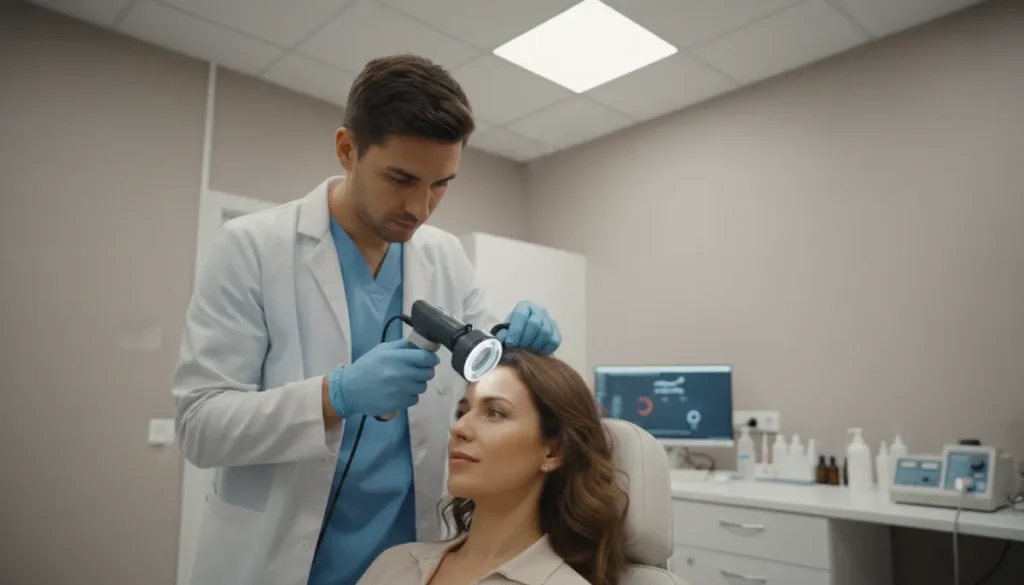
The physician assesses the pattern of loss, scalp condition, and any associated systemic symptoms. A pull test may be performed to gauge active shedding.
Laboratory Tests
Common investigations include complete blood count, ferritin, thyroid function tests, vitamin D levels, and hormonal panels (androgens, estrogen). In cases of suspected autoimmune alopecia, a skin biopsy may be ordered.
Treatment Pathways
Therapeutic options vary according to the identified cause:
- Hormonal therapy: Low‑dose oral contraceptives, anti‑androgens, or thyroid hormone replacement.
- Nutritional supplementation: Iron, vitamin D, biotin, and omega‑3 fatty acids.
- Topical agents: Minoxidil 5 % solution or foam, often combined with anti‑inflammatory shampoos.
- Procedural interventions: Platelet‑rich plasma (PRP) injections, low‑level laser therapy, and hair transplantation for permanent restoration.
Patients who adhere to a comprehensive plan—addressing hormonal balance, nutrition, stress management, and targeted medical therapy—can expect measurable regrowth within 6–12 months.
Why Choose Gold City Medical Center
Gold City Medical Center combines integrative medicine with cutting‑edge cosmetic expertise to deliver personalized hair‑loss solutions. Our multidisciplinary team evaluates hormonal, nutritional, and lifestyle factors, ensuring a holistic approach that addresses the root cause rather than just the symptom. With state‑of‑the‑art facilities and a proven track record in hair transplantation, we provide safe, effective treatments tailored to each woman’s unique needs.
Ready to uncover the specific cause of your hair loss and start a proven treatment plan? Contact Gold City Medical Center today for a comprehensive consultation and take the first step toward fuller, healthier hair.
FAQ
What are the main hormonal causes of hair loss in women?
Hormonal imbalances such as thyroid disorders, PCOS, and menopause can shift hair follicles into the resting phase, causing shedding.
How does iron deficiency affect hair health?
Low iron reduces oxygen delivery to hair follicles, often triggering telogen effluvium and diffuse thinning.
Can stress cause hair shedding and how?
Yes, both physical and emotional stress can trigger telogen effluvium, causing sudden, widespread hair loss.
What medical conditions can lead to hair loss in females?
Autoimmune alopecia, scalp psoriasis, and certain medications are common medical triggers for female hair loss.
What diagnostic tests are used to determine the cause of hair loss?
Blood work for iron, thyroid, vitamin D, and hormone levels, plus a scalp examination and pull test, are standard diagnostics.
What treatment options are available for female hair loss?
Treatments range from hormonal therapy and nutritional supplements to topical minoxidil and procedural interventions like PRP.





