Remedy skin care combines clinically tested ingredients with proven routines to help you achieve clear, luminous skin. In a market flooded with quick‑fix promises, understanding the science behind each product is essential for lasting results. Recent studies show that over 70% of consumers experience visible improvement when they switch to dermatologist‑developed formulas that address specific skin concerns.
This article walks you through the core principles of effective remedy skin care, explains how professional‑grade products differ from over‑the‑counter alternatives, and offers practical steps to integrate these solutions into your daily regimen. Whether you struggle with stubborn dark spots, enlarged pores, or seasonal dryness, the strategies outlined here are grounded in research and tailored for real‑world use.
By the end of this guide, you’ll know how to evaluate product claims, select the right ingredients for your skin type, and create a personalized routine that supports long‑term skin health. Let’s begin the journey toward a more confident, radiant you.
Understanding the Fundamentals of Remedy Skin Care
Before diving into specific products, it’s important to grasp the basic science that makes remedy skin care effective. At its core, this approach relies on three pillars: active ingredients with proven efficacy, delivery systems that ensure optimal absorption, and formulations that respect the skin’s natural barrier.
What Makes a Remedy Effective?
Effective remedies typically contain ingredients that have been validated through clinical trials or peer‑reviewed research. Commonly used actives include:
- Niacinamide – reduces inflammation and improves skin tone.
- Retinoids – stimulate collagen production and accelerate cell turnover.
- Vitamin C – brightens complexion and combats free‑radical damage.
- Hyaluronic Acid – provides deep hydration without feeling heavy.
These components work synergistically to address multiple concerns simultaneously, a hallmark of dermatological skincare that sets it apart from generic moisturizers.
| Ingredient | Main Benefit | Typical Concentration |
|---|---|---|
| Niacinamide | Reduces redness, refines pores | 2‑5% |
| Retinol | Boosts collagen, smooths fine lines | 0.1‑0.5% |
| Vitamin C (L‑Ascorbic Acid) | Brightens, protects from UV‑induced damage | 10‑20% |
| Hyaluronzuur | Locks in moisture, plumps skin | 0.5‑2% |
When selecting a remedy, look for transparent labeling that lists these actives and their concentrations. Products that hide ingredient percentages often lack the rigorous testing required for reliable outcomes.
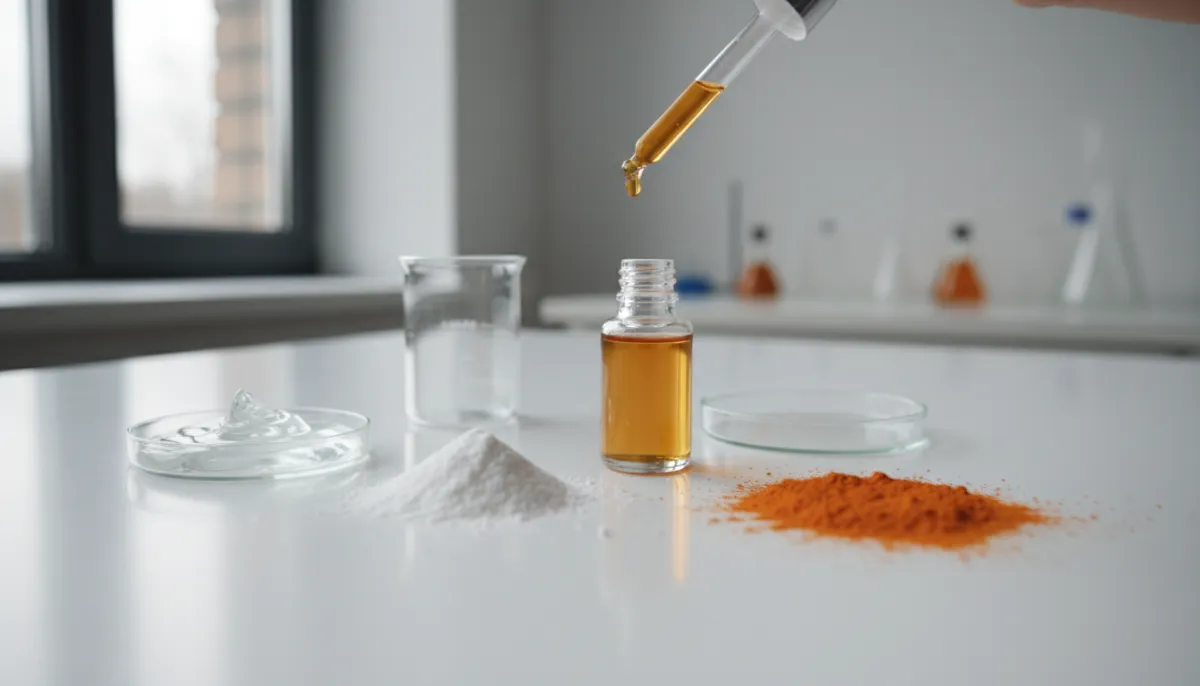
How Dermatologist‑Developed Formulas Enhance Results
Dermatologist‑developed skin care products are formulated based on extensive research and clinical testing. Unlike mass‑market options, these formulas undergo safety assessments and efficacy trials that ensure they deliver measurable benefits without compromising skin health.
Clinical Testing and Safety
Before a product reaches the consumer, it typically passes through multiple phases of testing:
- In‑vitro studies to evaluate ingredient stability and potency.
- Patch testing on volunteers to identify potential irritants.
- Controlled clinical trials measuring outcomes such as reduction in dark spots or improvement in barrier function.
Results from these studies are often published in dermatology journals, providing a transparent evidence base. This is why terms like dermatologist‑approved skincare carry weight; they signal that a product has been vetted by medical professionals.
Additionally, many dermatologist‑developed lines incorporate patented delivery technologies—such as encapsulated retinoids or liposomal vitamin C—that protect actives from oxidation and enhance penetration into deeper skin layers.
Targeting Common Concerns: Dark Spots, Pores, and Dryness
Most people seeking remedy skin care are motivated by visible imperfections—dark spots, enlarged pores, and chronic dryness. Addressing these issues requires a targeted approach that combines active ingredients with consistent application.
Dark Spots Medication and Brightening Strategies
Dark spots, also known as hyperpigmentation, result from excess melanin production triggered by UV exposure or inflammation. Effective dark spots medication typically includes ingredients such as hydroquinone, azelaic acid, or tranexamic acid, which inhibit melanin synthesis.
For a balanced regimen, pair brightening agents with antioxidant protectors like vitamin C to prevent new spots from forming. Consistency is key: applying a serum with 10% vitamin C each morning, followed by a sunscreen with at least SPF 30, can reduce existing discoloration by up to 30% within three months.
Managing Pore Size and Oil Production
Enlarged pores often stem from excess sebum and loss of skin elasticity. Ingredients like niacinamide and salicylic acid help regulate oil production while gently exfoliating dead skin cells that clog pores.
A typical remedy for pore size routine includes:
- Morning: Light gel cleanser → Niacinamide serum → Oil‑free moisturizer.
- Evening: Salicylic acid toner → Retinol cream → Hydrating moisturizer.
Over time, this regimen can visibly tighten pores and improve skin texture.
Hydration and Barrier Support
Dryness is often a sign of a compromised skin barrier. Incorporating humectants (e.g., hyaluronic acid) and barrier‑repair lipids (e.g., ceramides) restores moisture balance. A remedy moisturizer enriched with ceramides and cholesterol supports the lipid matrix, reducing transepidermal water loss.
For best results, apply moisturizer on damp skin to lock in water, and consider layering a facial oil in colder months for added protection.
Integrating Remedy Skin Care into Your Daily Routine
Even the most advanced products won’t deliver results without proper usage. Building a routine that respects the skin’s natural rhythms maximizes the benefits of remedy skin care.
Morning vs. Evening Application
Morning routines should focus on protection and antioxidant defense, while evening regimens aim at repair and renewal.
- Morning: Cleanser → Antioxidant serum (vitamin C) → Light moisturizer with SPF.
- Evening: Cleanser → Exfoliating toner (glycolic or salicylic acid, 2‑3 times/week) → Treatment serum (retinol or peptide) → Rich moisturizer.
Consistency is crucial; missing more than two days a week can significantly delay visible improvements.
Layering Tips for Maximum Absorption
Apply products from thinnest to thickest consistency. Allow each layer to absorb for 30‑60 seconds before adding the next. This prevents dilution of actives and ensures they reach their target layers.
When introducing a new active (e.g., retinol), start with a low concentration and gradually increase frequency to minimize irritation—a principle known as “the patch test protocol.”
Evaluating Products: What to Look for in Science‑Backed Skincare
With countless options on the market, discerning which products truly embody science‑backed skincare can be challenging. Here are key criteria to guide your selection.
Certifications and Ingredient Transparency
Look for products that display certifications such as “EU‑COSMOS Organic” or “Dermatologist Tested.” Transparent labeling that lists active concentrations and sources (e.g., “plant‑derived vitamin C”) indicates a commitment to quality.
Clinical Evidence and Peer Review
Manufacturers that provide links to published clinical studies or third‑party testing results demonstrate confidence in their formulations. For example, a product that cites a double‑blind study showing a 25% reduction in hyperpigmentation after 12 weeks carries more weight than vague marketing claims.
Formulation Stability
Active ingredients can degrade when exposed to light or air. Packaging in opaque, air‑tight containers preserves potency. Additionally, pH‑balanced formulas (typically between 5.0 and 6.5 for facial products) maintain skin compatibility.
By applying these evaluation steps, you can confidently choose remedies that align with your skin goals and support long‑term health.
Why Choose Gold City Medical Center
Gold City Medical Center combines medical expertise with aesthetic excellence, offering integrative solutions that go beyond typical beauty salons. Our team of board‑certified dermatologists develops personalized skin‑care plans rooted in the latest research, ensuring each remedy is safe, effective, and tailored to your unique needs. From advanced laser treatments to clinically formulated topical products, we provide a comprehensive pathway to healthier, more radiant skin.
Ready to transform your skin with science‑backed remedies? Contact Gold City Medical Center today to schedule a personalized consultation and start your journey toward lasting confidence.
FAQ
What is remedy skin care and how does it differ from regular moisturizers?
Remedy skin care uses clinically tested active ingredients and scientifically designed formulations, whereas regular moisturizers often contain only basic emollients.
Which active ingredients are most effective for treating dark spots?
Ingredients such as hydroquinone, azelaic acid, tranexamic acid, and vitamin C are proven to reduce hyperpigmentation.
How do dermatologist‑developed formulas ensure safety and efficacy?
They undergo multi‑phase testing, including in‑vitro stability studies, patch testing, and controlled clinical trials.
What is the recommended morning versus evening skincare routine for remedy products?
Morning: cleanse → antioxidant serum (vitamin C) → light moisturizer with SPF. Evening: cleanse → exfoliating toner → treatment serum (retinol or peptide) → rich moisturizer.
How can I evaluate whether a skincare product is truly science‑backed?
Check for transparent ingredient lists, certified concentrations, clinical study references, and stable packaging.





