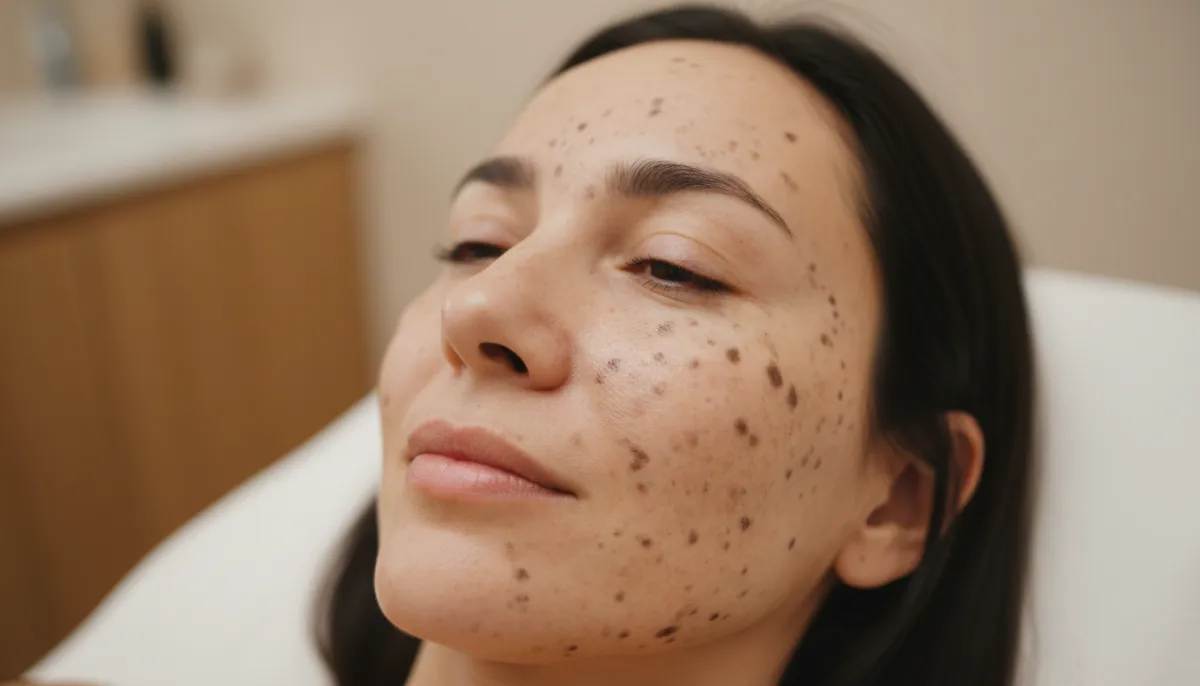
Many people wonder how to get rid of dark spots on face and regain an even, radiant complexion. Dark spots, also known as hyperpigmentation, can appear as liver spots, age spots, or sun spots and often affect confidence. In this article we explore the science behind these marks, professional and at‑home solutions, and lifestyle habits that prevent new spots from forming. Understanding the root causes empowers you to choose the most effective treatment for lasting results.
Recent studies show that up to 70 % of adults notice some form of skin discoloration by age 40, highlighting the widespread nature of the issue. Whether the spots are a result of sun exposure, hormonal changes, or post‑inflammatory marks from acne, there are evidence‑based strategies to fade them safely.
We will guide you through the different types of pigmentation, review medical options available at Gold City Medical Center, outline a daily skincare routine, and suggest preventive measures you can adopt today.
Understanding Dark Spots: Causes and Types
Dark spots arise when melanin production becomes uneven. The most common forms include:
- Hyperpigmentatie – excess melanin after inflammation, such as acne or injury.
- Age spots (also called liver spots) – flat brown patches that develop with sun exposure over time.
- Sun spots – small, darkened areas caused by UV damage.
- Post‑inflammatory hyperpigmentation – lingering marks after pimples heal.
Identifying the type of spot helps determine the best treatment pathway. Below is a quick comparison:
| Spot Type | Typical Appearance | Veelvoorkomende triggers | Best Initial Approach |
|---|---|---|---|
| Hyperpigmentatie | Irregular brown or black patches | Acne, injury, hormonal shifts | Topical brighteners, chemical peels |
| Age/Liver Spots | Flat, tan to dark brown spots | Chronic sun exposure | Laser therapy, sunscreen |
| Zonnevlekken | Small, well‑defined dark dots | UV radiation | Intense pulsed light (IPL), topical antioxidants |
Medical Treatments for Hyperpigmentation
When you search for how to get rid of dark spots on face, medical options often appear at the top of the list. Gold City Medical Center offers a range of evidence‑based procedures tailored to each patient’s skin type and spot severity.
Chemische peelings
Peels using glycolic acid, trichloroacetic acid (TCA), or salicylic acid exfoliate the outer skin layers, encouraging new, evenly pigmented cells to surface. Multiple sessions may be required, but results are typically noticeable within weeks.
Laser and Light Therapies
Laser resurfacing (fractional CO₂, erbium) and intense pulsed light (IPL) target melanin directly, breaking down pigment particles. These treatments are especially effective for stubborn age spots and sun spots.
Microneedling with Radiofrequency
Combining microneedling with radiofrequency stimulates collagen production while allowing topical agents—such as vitamin C or tranexamic acid—to penetrate deeper, accelerating spot fading.
Prescription Topicals
Dermatologists may prescribe hydroquinone, retinoids, or azelaic acid to suppress melanin synthesis. These are often used alongside in‑office procedures for synergistic effects.
Below is a concise overview of the most common medical interventions:
| Behandeling | How It Works | Typical Sessions | Recovery Time |
|---|---|---|---|
| Chemical Peel | Exfoliates pigmented cells | 1‑4 | 3‑7 days redness |
| Laser/IPL | Breaks down melanin | 1‑3 | 1‑3 days swelling |
| Microneedling + RF | Stimulates collagen, enhances topical delivery | 3‑6 | 2‑5 days mild irritation |
| Prescription Topicals | Inhibits melanin production | Ongoing | None (daily use) |
At‑Home Skincare Routine to Fade Dark Spots
Even if you have consulted a specialist, a consistent at‑home routine remains crucial for answering the question “how to get rid of dark spots on face” permanently. The following steps incorporate proven ingredients that act as dark spot correctors and dark spot removers:
- Gentle Cleanser – Choose a sulfate‑free formula to avoid irritating melanin‑producing cells.
- Exfoliation – Use a chemical exfoliant (AHA/BHA) 2‑3 times per week to remove dead pigment‑laden skin.
- Vitamin C Serum – Antioxidant brightening helps inhibit melanin formation and improves overall radiance.
- Niacinamide – A multitasking ingredient that reduces inflammation and lightens existing spots.
- Moisturizer with SPF 30+ – Daily sun protection prevents new spots and protects treated areas.
Consistency is key; most users notice a visible improvement after 8‑12 weeks of diligent use. If you prefer natural alternatives, ingredients such as licorice extract, kojic acid, and mulberry extract have demonstrated mild brightening effects.
Lifestyle Adjustments to Prevent New Spots
Beyond topical treatments, everyday habits heavily influence pigment formation. Understanding how to get rid of dark spots on face also means preventing them from re‑appearing.
- Sun Protection – Wear a broad‑spectrum sunscreen daily, reapply every two hours when outdoors.
- Protective Clothing – Hats, sunglasses, and UPF clothing reduce UV exposure.
- Balanced Diet – Foods rich in antioxidants (berries, leafy greens) support skin health.
- Avoid Smoking – Tobacco accelerates melanin production and impairs healing.
- Hormonal Balance – Manage stress and consider medical advice for hormonal fluctuations that can trigger melasma.
Implementing these lifestyle changes creates a supportive environment for any medical or cosmetic treatment you choose.
Choosing the Right Treatment for Your Skin Type
Not all dark spot solutions suit every complexion. Selecting the appropriate method depends on skin tone, sensitivity, and the depth of pigmentation. The table below matches common treatments with skin characteristics:
| Skin Type | Best Treatment Options | Considerations |
|---|---|---|
| Fair to Light | Chemical peels, hydroquinone, laser resurfacing | Higher risk of post‑inflammatory hyperpigmentation; monitor closely. |
| Medium / Olive | IPL, microneedling with RF, niacinamide serums | Effective with minimal downtime; good for mixed pigment. |
| Dark / Deep | Low‑fluence laser, topical azelaic acid, consistent sunscreen | Gentle approaches reduce risk of worsening darkening. |
Consultation with a qualified specialist at Gold City Medical Center ensures a personalized plan that respects your unique skin profile.
Why Choose Gold City Medical Center
Gold City Medical Center combines cutting‑edge medical technology with a holistic approach to beauty and wellness. Our team of experienced dermatologists and aesthetic specialists designs individualized treatment plans that address the root cause of hyperpigmentation while supporting overall skin health. With a reputation for safety, efficacy, and patient‑centered care, we help you achieve lasting clarity and confidence.
Ready to say goodbye to stubborn dark spots? Contact Gold City Medical Center today to schedule a personalized consultation and start your journey toward a smoother, brighter complexion.
FAQ
What are the main causes of dark spots on the face?
Dark spots are caused by uneven melanin production due to sun exposure, hormonal changes, acne inflammation, and aging.
How do chemical peels help fade dark spots?
Chemical peels exfoliate the outer skin layers, removing pigmented cells and encouraging fresh, evenly toned skin to emerge.
What is the difference between laser therapy and IPL for treating dark spots?
Laser therapy uses a focused beam to break down melanin, while IPL delivers broader light pulses that target pigment and vascular lesions.
Which at‑home ingredients are most effective for fading dark spots?
Vitamin C, niacinamide, azelaic acid, licorice extract, and kojic acid are proven to brighten hyperpigmentation when used consistently.
How can lifestyle changes prevent new dark spots from forming?
Consistent sun protection, a diet rich in antioxidants, avoiding smoking, and managing hormonal fluctuations help keep skin evenly pigmented.





