Scalp psoriasis topical treatments are essential tools for managing the discomfort and appearance of this chronic skin condition. In this article we explore the underlying causes of scalp psoriasis, the most trusted ingredients found in topical products, and practical strategies for applying them safely. Over 8,000 people search monthly for solutions, highlighting the widespread need for clear guidance.
Understanding how scalp psoriasis manifests can empower you to choose the right medication and avoid common pitfalls. Whether you are dealing with mild flaking or extensive red plaques, the right topical regimen can dramatically improve quality of life. We will also discuss when self‑care is sufficient and when it is time to consult a specialist at Gold City Medical Center.
By the end of this guide you will be equipped with the knowledge to select effective scalp psoriasis topical treatments, apply them correctly, and recognize signs that require professional intervention.
Understanding Scalp Psoriasis and Its Symptoms
Scalp psoriasis is an autoimmune disorder that accelerates skin cell turnover, leading to the formation of thick, silvery scales on the scalp. The condition often co‑exists with psoriasis on other body areas, but the scalp presents unique challenges because of hair density and frequent washing.
Typical signs include:
- Red, inflamed patches that may bleed when scratched.
- Silvery‑white scales that are difficult to remove.
- Itching or burning sensations, especially after shampooing.
- Hair loss in severe cases due to persistent inflammation.
Severity can range from isolated dandruff‑like flakes to extensive coverage that interferes with daily styling. The table below outlines common severity levels and associated symptoms:
| Severity | Typical Symptoms | Impact on Daily Life |
|---|---|---|
| Mild | Fine scaling, occasional itching | Minimal, easily concealed |
| Moderate | Thick plaques, frequent itching, visible flakes | Noticeable discomfort, may affect confidence |
| Severe | Extensive plaques, bleeding, hair loss | Significant pain, social impact, requires medical attention |
Recognizing these patterns helps you select the most appropriate scalp psoriasis topical treatments and set realistic expectations for improvement.
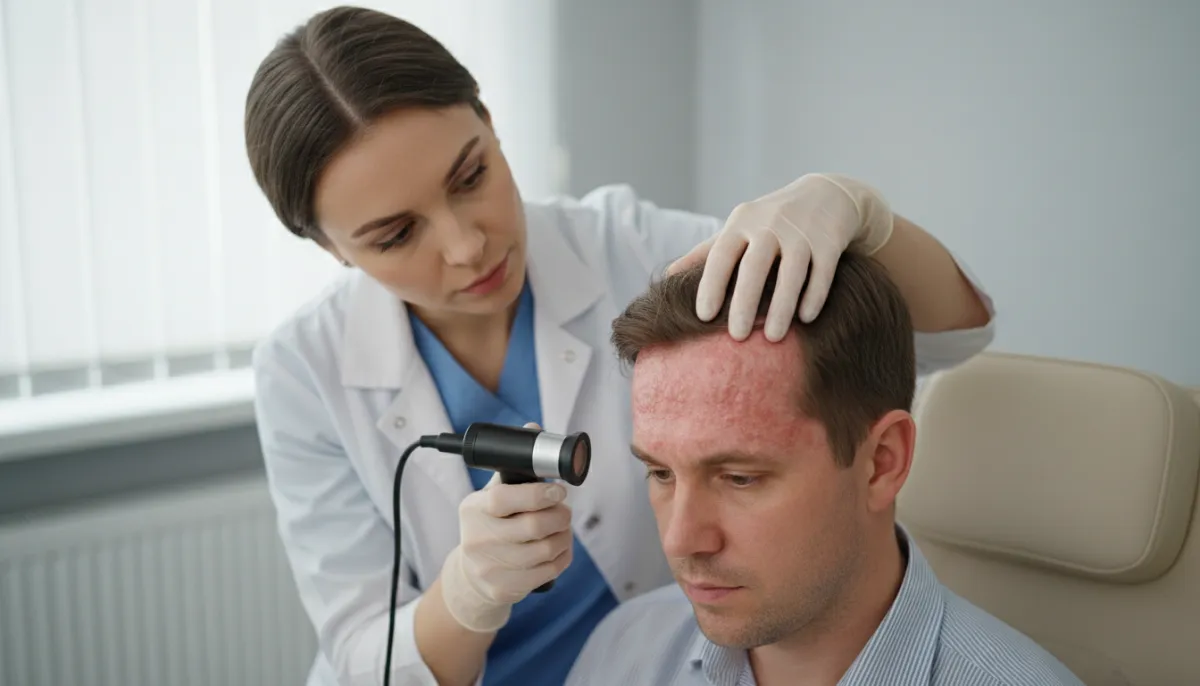
Key Ingredients in Effective Topical Treatments
Modern scalp psoriasis topical treatments rely on a blend of active ingredients that target inflammation, slow cell turnover, and moisturize the scalp. Understanding these components allows you to compare products and choose formulations that align with your skin sensitivity and treatment goals.
Common active ingredients include:
- Corticosteroids (e.g., betamethasone, clobetasol) – powerful anti‑inflammatory agents that reduce redness and itching.
- Vitamin D analogues (e.g., calcipotriene) – help normalize skin cell growth.
- Salicylic acid – a keratolytic that softens scales for easier removal.
- Coal tar – reduces scaling and slows excessive cell production.
- Natural oils (e.g., tea tree, coconut) – provide soothing moisturization and antimicrobial benefits.
The following comparison highlights the strengths and considerations of each ingredient class:
| Ingredient | Primary Benefit | Typical Concentration | Potential Side Effects |
|---|---|---|---|
| Corticosteroids | Rapid inflammation reduction | 0.05%–0.5% | Skin thinning, irritation |
| Vitamin D analogues | Regulates cell turnover | 0.005%–0.01% | Dryness, mild irritation |
| Salicylic acid | Scale softening | 1%–3% | Stinging, dryness |
| Coal tar | Scale reduction | 0.5%–5% | Odor, possible photosensitivity |
| Natural oils | Moisturization | Varies | Rare allergic reactions |
When selecting scalp psoriasis topical treatments, consider your skin type, any history of sensitivity, and the severity of your lesions. Combining ingredients—such as a corticosteroid with a keratolytic—can enhance efficacy while minimizing the need for higher‑strength steroids.
Choosing the Right Topical Product for Your Scalp
Finding the optimal scalp psoriasis topical treatments involves matching product strength to disease severity and personal preferences. Below is a practical guide to help you navigate the options.
Step 1: Assess Severity
- For mild scaling, start with over‑the‑counter shampoos containing salicylic acid or coal tar.
- Moderate plaques may benefit from prescription‑strength corticosteroid creams or foams.
- Severe cases often require combination therapy under medical supervision.
Step 2: Evaluate Formulation
- Creams and ointments provide a barrier and are ideal for dry scalps.
- Foams and gels spread easily through hair and are less greasy.
- Shampoos are convenient for regular use but may need to be paired with leave‑in treatments.
Step 3: Check for Add‑Ons
- Moisturizing agents like glycerin reduce dryness.
- Anti‑itch components such as menthol can improve comfort.
The table below aligns product types with typical usage scenarios:
| Product Type | Best For | Frequency of Use | Key Ingredient Examples |
|---|---|---|---|
| Medicated Shampoo | Daily cleansing, mild scaling | 2–3 times per week | Salicylic acid, coal tar |
| Corticosteroid Foam | Moderate plaques, quick relief | Once daily for 2–4 weeks | Betamethasone dipropionate |
| Vitamin D Cream | Long‑term maintenance | Once daily | Calcipotriene |
| Natural Oil Blend | Moisturizing, post‑treatment | As needed | Tea tree oil, jojoba oil |
Always read the label for concentration details and follow the recommended application schedule. If you are uncertain which product matches your needs, a consultation with a dermatologist can provide a personalized plan.
Proper Application Techniques and Safety Tips
Even the most potent scalp psoriasis topical treatments can fall short if not applied correctly. Follow these evidence‑based steps to maximize absorption and minimize irritation.
1. Prepare the Scalp
- Wash hair with a gentle, fragrance‑free shampoo to remove excess oil.
- Pat dry with a soft towel; avoid vigorous rubbing.
2. Measure the Dose
- Use the amount specified by the product (often a pea‑size amount for creams).
- For foams, dispense a single pump onto the fingertips.
3. Apply Evenly
- Part the hair in sections to expose the affected skin.
- Gently rub the medication into the scalp, ensuring full coverage of the plaques.
- Avoid massaging aggressively, which can increase irritation.
4. Allow Absorption
- Leave the product on for the recommended time (usually 15–30 minutes) before rinsing, unless the label advises otherwise.
- Do not apply additional styling products immediately after treatment.
5. Monitor for Adverse Reactions
- Watch for increased redness, burning, or swelling.
- If side effects appear, reduce frequency or switch to a milder formulation.
Safety reminders:
- Limit the use of high‑potency corticosteroids to 2–4 weeks unless directed by a physician.
- Rotate products (e.g., steroid followed by vitamin D analogue) to lower the risk of skin thinning.
- Maintain a consistent routine; intermittent use often leads to flare‑ups.
Adhering to these guidelines ensures that your scalp psoriasis topical treatments work efficiently and safely.
When to Seek Professional Care and Advanced Options
While many individuals manage scalp psoriasis with over‑the‑counter or prescription topicals, certain situations warrant a visit to a specialist. Prompt medical attention can prevent complications such as secondary infections or irreversible hair loss.
Consider professional evaluation if you experience:
- Persistent redness or bleeding despite consistent use of topical agents.
- Rapid spreading of plaques to other scalp regions.
- Significant hair shedding or thinning.
- Allergic reactions or severe irritation from a product.
Advanced treatments offered by dermatologists include:
- Phototherapy (narrow‑band UVB) to reduce inflammation.
- Systemic medications (e.g., methotrexate, biologics) for extensive disease.
- Targeted laser therapy for localized plaques.
- Combination regimens that pair topical steroids with vitamin D analogues under close supervision.
The comparison below outlines when each advanced option is typically recommended:
| Advanced Option | Indication | Frequency | Key Benefit |
|---|---|---|---|
| Phototherapy | Moderate to severe, refractory to topicals | 2–3 sessions per week | Reduces plaque thickness without systemic drugs |
| Systemic Medication | Extensive involvement, joint symptoms | Daily oral or injectable | Targets immune response throughout the body |
| Lasertherapie | Localized stubborn plaques | Every 2–4 weeks | Precise plaque reduction with minimal downtime |
| Combination Regimen | Complex or relapsing cases | Based on physician guidance | Synergistic effect improves outcomes |
Gold City Medical Center’s dermatology team can assess your condition, recommend the most appropriate scalp psoriasis topical treatments, and coordinate any necessary advanced therapies.
Why Choose Gold City Medical Center
Gold City Medical Center combines integrative medicine with cutting‑edge dermatological expertise, offering personalized care for scalp psoriasis. Our specialists evaluate each case individually, ensuring that topical treatments are tailored to your severity, skin type, and lifestyle. With a focus on both medical effectiveness and aesthetic outcomes, we provide comprehensive support—from initial diagnosis to ongoing maintenance—so you can regain confidence in your appearance.
Ready to reclaim a healthy scalp? Contact Gold City Medical Center today to schedule a personalized consultation and discover the most effective scalp psoriasis topical treatments for your needs.
Take the first step toward clearer, comfortable skin—call us or book an appointment online now.
FAQ
What are the common symptoms of scalp psoriasis?
Typical signs include red inflamed patches, silvery‑white scales, itching or burning, and possible hair loss in severe cases.
Which active ingredients are most effective in scalp psoriasis topical treatments?
Key ingredients include corticosteroids, vitamin D analogues, salicylic acid, coal tar, and natural oils.
How should I apply a corticosteroid foam for scalp psoriasis?
Apply a pea‑size amount to a dry scalp, part hair to expose lesions, and spread evenly without vigorous rubbing.
When is it necessary to see a dermatologist for scalp psoriasis?
Seek professional care if redness, bleeding, rapid spread, significant hair loss, or severe irritation persist despite treatment.
Can natural oils be used alongside prescription treatments for scalp psoriasis?
Yes, natural oils can complement prescription products by providing moisturization and soothing benefits.
What are the safety tips for using high‑potency corticosteroids on the scalp?
Limit use to 2–4 weeks, rotate with other agents, and monitor for skin thinning or irritation.





