Skin irritation is a common complaint that affects people of all ages, yet many individuals overlook its underlying triggers. Whether it appears as a faint redness or an uncomfortable itch, the condition can disrupt daily life and signal deeper dermatological issues. In the United States, up to 30 % of the population reports at least one episode of skin irritation each year, highlighting its prevalence and the importance of proper management.
This article explores the most frequent causes of skin irritation, helps you identify when a rash may require professional attention, and outlines both home‑based soothing techniques and medical interventions available at Gold City Medical Center. By understanding the distinction between irritant and allergic reactions, you can take proactive steps to protect your skin barrier and reduce the likelihood of recurring discomfort.
We will also discuss practical prevention strategies, recommended over‑the‑counter products, and the role of dermatologists in diagnosing complex cases such as contact dermatitis or chronic pruritus. Armed with this knowledge, you can confidently address skin irritation before it escalates into a more serious condition.
Common Causes of Skin Irritation
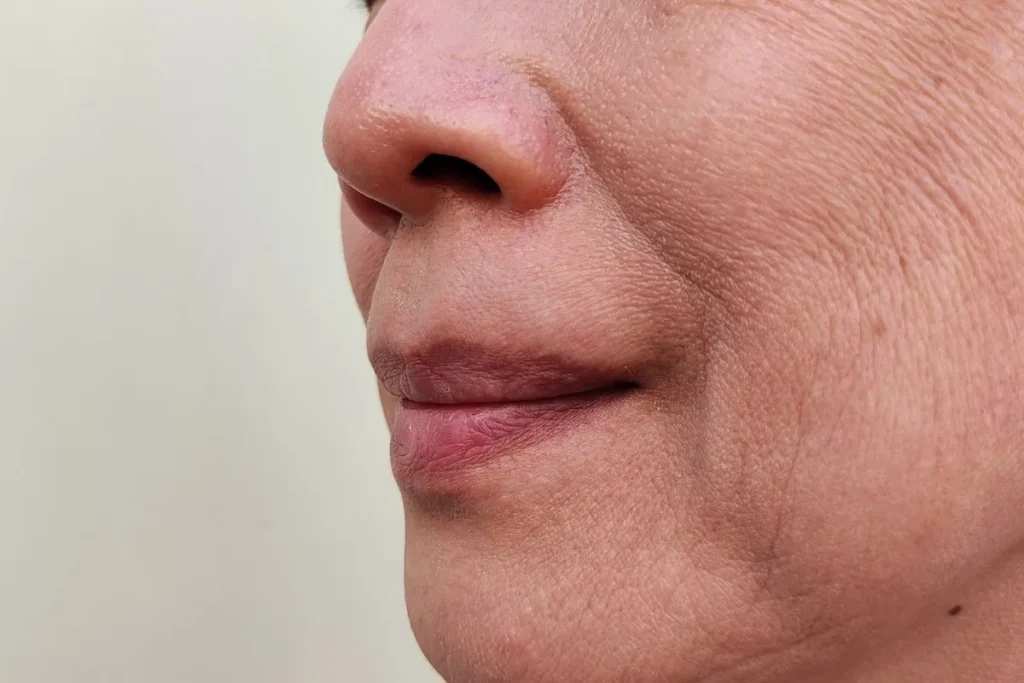
Skin irritation can stem from a wide range of external and internal factors. The most frequent culprits are chemicals, mechanical friction, and environmental conditions that disrupt the skin’s protective barrier. When the barrier is compromised, the underlying nerve endings become more sensitive, leading to the familiar sensation of itching, known medically as pruritus.
Irritants vs. Allergens
It is essential to differentiate between irritant contact dermatitis and allergic contact dermatitis. Irritant reactions occur when a substance directly damages the skin’s outer layer, while allergic reactions involve an immune response that sensitizes the body over time. Both can manifest as a rash, but the underlying mechanisms differ, influencing treatment choices.
- Harsh soaps and detergents
- Nickel‑containing jewelry
- Fragranced cosmetics
- Cleaning agents such as bleach
- Plant oils (e.g., poison ivy)
Below is a concise comparison of the two most common types of contact dermatitis.
| Feature | Irritant Contact Dermatitis | Allergic Contact Dermatitis |
|---|---|---|
| Onset | Immediately or within hours after exposure | 24–72 hours after exposure |
| Cause | Direct chemical damage to the skin barrier | Immune‑mediated hypersensitivity |
| Typical Symptoms | Redness, swelling, burning sensation | Itchy rash, vesicles, sometimes spreading beyond contact area |
| Veelvoorkomende triggers | Detergents, solvents, acids | Nickel, fragrances, certain preservatives |
Understanding these distinctions helps clinicians at Gold City Medical Center tailor treatment plans that address the specific cause of your skin irritation.
Recognizing the Symptoms and When to Seek Help
Early detection of skin irritation can prevent complications such as infection or chronic dermatitis. Typical signs include redness, swelling, a burning or stinging sensation, and the development of a rash. In some cases, tiny red dots or bumps may appear, resembling mosquito bites but without a bite history. These manifestations are often accompanied by intense itching, medically referred to as pruritus.
Red Flag Symptoms
While many irritations resolve with simple care, certain warning signs warrant prompt medical evaluation:
- Rapid spreading of redness or swelling
- Presence of pus, blisters, or crusted lesions
- Fever or chills accompanying the skin changes
- Persistent itching that disrupts sleep
- Symptoms affecting the face, genitals, or widespread areas
If you notice any of these indicators, especially in conjunction with an unknown exposure, schedule an appointment with a dermatologist. At Gold City Medical Center, our specialists perform thorough examinations and may conduct patch testing to pinpoint specific allergens responsible for allergic dermatitis.
Effective Home Remedies and Over‑the‑Counter Options
For mild cases, many individuals find relief through simple at‑home measures. The goal is to calm the inflammation, restore moisture, and avoid further irritants. Below are common remedies that have demonstrated effectiveness in reducing skin irritation symptomen.
Soothing Ingredients
Topical products containing the following ingredients can provide rapid comfort:
- Aloe vera – cools and hydrates the skin.
- Colloidal oatmeal – creates a protective barrier and reduces itching.
- Calamine lotion – dries out weeping lesions and soothes redness.
- Coconut oil – restores lipid balance while offering mild antimicrobial properties.
- Hydrocortisone 1 % – a low‑strength steroid that diminishes inflammation for short‑term use.
When applying any product, use a gentle tapping motion rather than rubbing, which can aggravate the irritation. Additionally, a cool compress (a clean, damp cloth chilled in the refrigerator) applied for 10–15 minutes several times a day can further diminish swelling and itching.
When OTC Treatments Aren’t Enough
If symptoms persist beyond a week or worsen despite using over‑the‑counter options, it may be time to consult a professional. Persistent itching, especially at night, can indicate underlying conditions such as chronic dermatitis or eczema, which often require prescription‑strength therapies.
Professional Treatments at Gold City Medical Center
When home care does not achieve the desired relief, Gold City Medical Center offers a suite of evidence‑based treatments tailored to the specific type of skin irritation. Our multidisciplinary team combines dermatology expertise with integrative approaches to ensure optimal outcomes.
Diagnostic Evaluation
During the initial visit, a board‑certified dermatologist conducts a detailed skin examination, reviews your medical history, and may perform a patch test to identify allergens responsible for allergic contact dermatitis. High‑resolution imaging can also document the extent and pattern of the rash for monitoring progress.
Prescription Therapies
Depending on the diagnosis, treatment options may include:
| Medication | Indication | Typical Duration |
|---|---|---|
| Topical corticosteroids (e.g., clobetasol) | Severe inflammatory rash | 2–4 weeks |
| Calcineurin inhibitors (tacrolimus) | Chronic eczema or sensitive areas | Indefinite, as needed |
| Antihistamines (oral cetirizine) | Control of pruritus | As prescribed |
| Phototherapy (narrow‑band UVB) | Refractory dermatitis | Multiple sessions over weeks |
Our clinicians also emphasize skin‑care education, recommending gentle cleansers, fragrance‑free moisturizers, and lifestyle adjustments to maintain a healthy skin barrier.
Preventive Strategies for Long‑Term Skin Health
Preventing future episodes of skin irritation begins with protecting the skin’s natural defenses. Below are evidence‑based practices that support ongoing skin health.
Barrier Maintenance
Regularly applying a moisturizer containing ceramides helps reinforce the lipid layer, reducing susceptibility to irritants. Choose products labeled “fragrance‑free” and “hypoallergenic” to minimize the risk of allergic reactions.
Lifestyle Adjustments
- Wear breathable fabrics such as cotton to reduce friction.
- Avoid prolonged exposure to hot water, which can strip natural oils.
- Use mild, pH‑balanced soaps during bathing.
- Protect skin from extreme weather with appropriate clothing.
- Maintain a balanced diet rich in omega‑3 fatty acids, which support anti‑inflammatory processes.
By integrating these habits into daily routines, you can significantly lower the frequency of skin irritation episodes and promote overall dermatological well‑being.
Why Choose Gold City Medical Center
Gold City Medical Center combines cutting‑edge dermatological expertise with a holistic approach to skin health. Our team of experienced physicians offers personalized treatment plans, advanced diagnostic tools, and a comforting environment designed to support both medical and aesthetic goals. Whether you seek relief from a persistent rash or aim to preserve the integrity of your skin, we provide comprehensive care rooted in evidence‑based practice.
Ready to reclaim comfortable, healthy skin? Contact Gold City Medical Center today to schedule a comprehensive dermatology consultation. Our specialists are here to guide you toward lasting relief and confidence.
FAQ
What are the most common causes of skin irritation?
The most frequent triggers are harsh soaps, detergents, nickel‑containing jewelry, fragranced cosmetics, bleach, and plant oils like poison ivy.
How can I tell if a rash is caused by an irritant or an allergen?
Irritant rashes appear immediately or within hours of exposure, while allergic rashes develop 24–72 hours later and may spread beyond the contact area.
When should I seek medical help for skin irritation?
Seek care if redness spreads quickly, blisters or pus appear, you develop fever, itching disrupts sleep, or the rash affects the face, genitals, or large areas.
What over‑the‑counter remedies can relieve skin irritation at home?
Aloe vera, colloidal oatmeal, calamine lotion, coconut oil, and low‑strength hydrocortisone are effective OTC options.
What professional treatments does Gold City Medical Center offer for severe skin irritation?
The center provides diagnostic patch testing, topical corticosteroids, calcineurin inhibitors, oral antihistamines, and phototherapy.
How can I prevent future episodes of skin irritation?
Maintain a healthy skin barrier with ceramide moisturizers, avoid harsh soaps, wear breathable fabrics, and protect skin from extreme weather.





