When it comes to hair health, many people wonder about the distinction between thin hair vs balding and how to address each condition effectively. While both involve a reduction in hair density, the underlying mechanisms, visual signs, and treatment pathways can differ significantly. Recognizing these differences is essential for choosing the right prevention or therapy plan.
According to recent dermatology studies, up to 40% of adults experience noticeable hair thinning before any true balding occurs. This early stage often goes unnoticed until the scalp becomes more visible, leading to concerns about appearance and self‑confidence. In this article, we will clarify what separates thin hair from balding, explore common causes, outline diagnostic approaches, and present a range of treatment options—including medical therapies and hair transplantation.
Whether you are a man noticing a receding hairline, a woman dealing with diffuse thinning, or simply curious about scalp health, understanding the nuances will empower you to make informed decisions and seek appropriate care.
What Is the Difference Between Thin Hair and Balding?
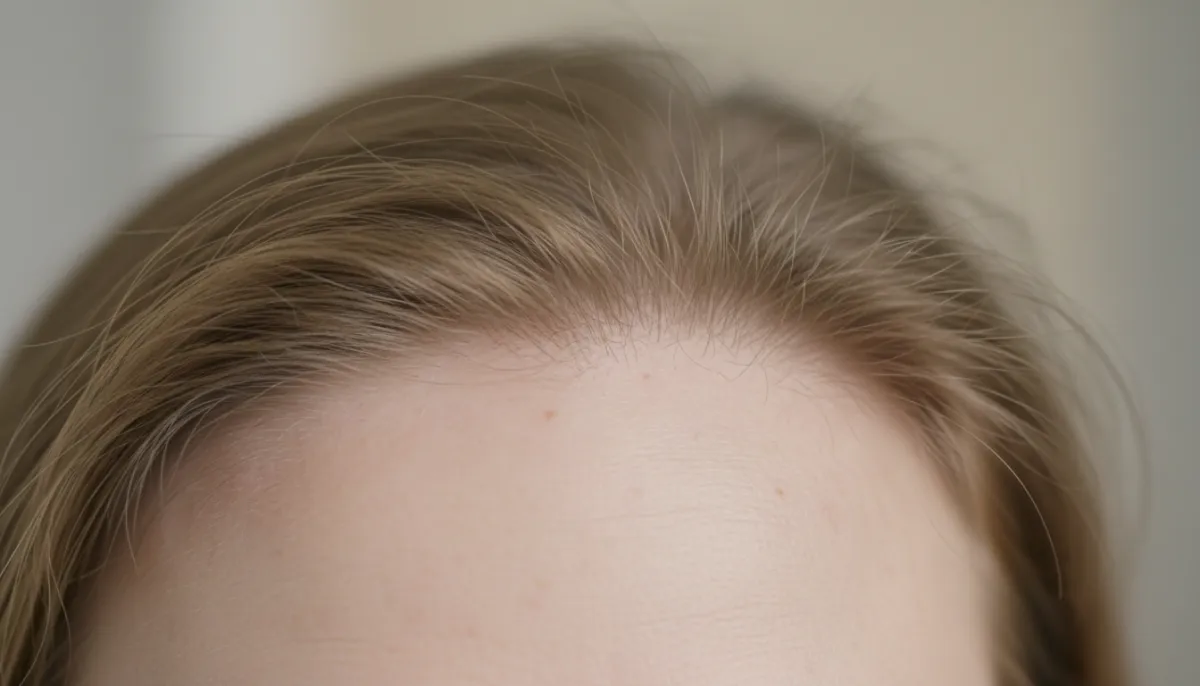
Thin hair refers to a reduction in the diameter of individual hair strands or a lower overall hair density without complete loss of follicles. In contrast, balding involves the progressive loss of hair follicles, leading to visible patches or a receding hairline that may eventually result in a bald spot or full baldness.
- Thin hair: Hair shafts become finer; scalp may still be covered but appears less full.
- Kalend: Follicles shrink or die; hair loss becomes more pronounced and often follows a pattern.
- Both conditions can coexist, making diagnosis more complex.
Clinicians often assess the pattern of loss to differentiate the two. For example, a diffuse thinning across the crown usually signals thin hair, while an M‑shaped recession at the temples is characteristic of male pattern balding.
Understanding whether you are dealing with thinning hair or early balding guides the choice of treatment—whether a topical serum, oral medication, or a hair transplant is most appropriate.
Common Causes of Thin Hair and Balding
Both thin hair and balding can arise from a variety of genetic, hormonal, and environmental factors. Recognizing the root cause is vital for effective treatment.
| Cause | Effect on Hair | Typical Presentation |
|---|---|---|
| Androgenetic alopecia | Follicle miniaturization | Patterned thinning or balding in men and women |
| Alopecia areata | Autoimmune attack on follicles | Sudden round patches of hair loss |
| Telogen effluvium | Shift of hairs into resting phase | Diffuse shedding after stress or illness |
| Traction alopecia | Mechanical damage from tight hairstyles | Thinning along hairline or temples |
| Voedingstekorten | Weakening of hair shaft | Generalized thinness, brittle hair |
Genetic predisposition, especially in androgenetic alopecia, is the most common driver of both thinning and balding. Hormonal changes, such as elevated dihydrotestosterone (DHT), shrink hair follicles, leading to finer strands that eventually cease growing.
Autoimmune conditions like alopecia areata can cause sudden patches of hair loss, often confused with early balding. Meanwhile, lifestyle factors—chronic stress, poor diet, and harsh hair care practices—contribute to telogen effluvium and traction alopecia, which manifest primarily as thin hair rather than permanent baldness.
Understanding these causes helps clinicians recommend targeted therapies, from hormonal blockers to nutritional supplementation.
How to Diagnose Thin Hair Versus Early Balding
Accurate diagnosis begins with a thorough clinical examination performed by a qualified dermatologist or hair restoration specialist. Several diagnostic tools help differentiate thin hair from the early stages of balding.
- Scalp visual inspection: Evaluates hair density, pattern, and follicle health.
- Trichoscopy (dermoscopy of the scalp): Provides magnified images to assess follicle size and miniaturization.
- Pull test: Determines the number of hairs that shed with gentle traction.
- Blood work: Checks for hormonal imbalances, iron deficiency, and thyroid function.
- Patient history: Reviews family history, stress events, medication use, and hair care habits.
When a patient presents with diffuse thinning, a trichoscopic examination often reveals uniformly fine hairs without significant follicle loss, suggesting thin hair. Conversely, early balding shows a mix of normal and miniaturized follicles, especially in the frontal and vertex regions.
In some cases, a scalp biopsy may be recommended to rule out scarring alopecia or other rare conditions. Early and precise diagnosis enables the practitioner to tailor a treatment plan that addresses the specific pathology rather than applying a one‑size‑fits‑all approach.
Treatment Options: From Medical Therapy to Hair Transplant
Once the diagnosis is clear, a range of treatment options can be considered. The choice depends on the severity of hair loss, underlying cause, and patient preferences.
- Topical minoxidil: Increases blood flow to follicles, effective for both thin hair and early balding.
- Oral finasteride: DHT blocker commonly used for male pattern baldness.
- Low‑level laser therapy (LLLT): Stimulates cellular activity in the scalp.
- Platelet‑rich plasma (PRP) injections: Uses patient’s own growth factors to promote regeneration.
- Hair transplant surgery: Relocates healthy follicles to balding zones, ideal for permanent restoration.
- Nutrition and supplementation: Iron, zinc, biotin, and vitamin D support hair health.
For patients with thin hair caused by nutritional deficits or telogen effluvium, lifestyle modifications and supplementation often yield noticeable improvement within months. In contrast, individuals experiencing progressive balding may benefit more from DHT‑blocking medications or surgical interventions.
Gold City Medical Center offers a comprehensive, integrative approach that combines medical therapy with advanced hair transplant techniques. Each treatment plan is personalized, ensuring optimal results while minimizing side effects.
Prevention and Lifestyle Tips to Maintain Healthy Hair
While genetics play a significant role, many everyday habits can influence the health of your scalp and hair. Implementing preventive measures early can reduce the risk of progressing from thin hair to full balding.
- Maintain a balanced diet rich in protein, omega‑3 fatty acids, and essential vitamins.
- Manage stress through regular exercise, meditation, or counseling.
- Avoid tight hairstyles that cause traction alopecia.
- Limit heat styling and harsh chemical treatments.
- Use gentle, sulfate‑free shampoos and conditioners.
- Schedule regular check‑ups with a hair‑health specialist for early detection.
Consistent scalp massage can also improve blood circulation, supporting follicle vitality. For individuals with a family history of androgenetic alopecia, early intervention with minoxidil or DHT blockers may delay the onset of balding.
By integrating these lifestyle strategies with professional care, you can preserve hair density, improve scalp health, and potentially prevent the transition from thinning to baldness.
Why Choose Gold City Medical Center
Gold City Medical Center combines cutting‑edge medical expertise with a holistic approach to hair health. Our team of board‑certified dermatologists and hair restoration surgeons utilizes the latest technologies—from low‑level laser therapy to state‑of‑the‑art follicular unit extraction—to deliver personalized solutions. With a focus on safety, efficacy, and patient comfort, we help you achieve lasting results whether you are addressing thin hair, early balding, or advanced hair loss.
Ready to take the next step toward fuller, healthier hair? Contact Gold City Medical Center today to schedule a personalized consultation and discover the treatment plan that’s right for you.
FAQ
What is the difference between thin hair and balding?
Thin hair is a reduction in strand diameter or overall density without follicle loss, while balding involves progressive follicle loss leading to visible patches or a receding hairline.
What are the common causes of thin hair and balding?
Both conditions can stem from genetics, hormonal changes, autoimmune disorders, stress, nutritional deficiencies, and mechanical damage.
How can a dermatologist diagnose thin hair versus early balding?
Diagnosis uses visual inspection, trichoscopy, pull tests, blood work, and patient history to assess follicle health and pattern of loss.
What treatment options are available for thin hair and balding?
Options range from topical minoxidil and oral finasteride to laser therapy, PRP injections, nutritional supplements, and hair transplant surgery.
Can lifestyle changes prevent thin hair from progressing to baldness?
Yes; a balanced diet, stress management, gentle hair care, and regular scalp checks can slow progression.
What is the role of minoxidil and finasteride in treating hair loss?
Minoxidil promotes blood flow to follicles, while finasteride blocks DHT to prevent follicle miniaturization.





