Experiencing an allergic reaction on the face can be both uncomfortable and alarming, especially when the skin becomes red, itchy, or swollen. This article explains what triggers these reactions, how to identify the warning signs, and the most effective steps you can take to calm the irritation quickly. In the United States, up to 30% of adults report occasional facial skin allergies, highlighting how common this issue truly is.
We’ll explore the underlying causes, differentiate between mild rashes and more serious conditions such as angioedema, and provide a clear roadmap for home care and professional treatment. Whether you’re dealing with a sudden outbreak after using a new cosmetic product or experiencing chronic contact dermatitis, understanding the right approach can prevent complications and help you maintain healthy, radiant skin.
By the end of this guide, you’ll know how to assess the severity of your reaction, apply appropriate soothing measures, and when to seek help from a qualified dermatologist at Gold City Medical Center.
Understanding Facial Allergic Reactions
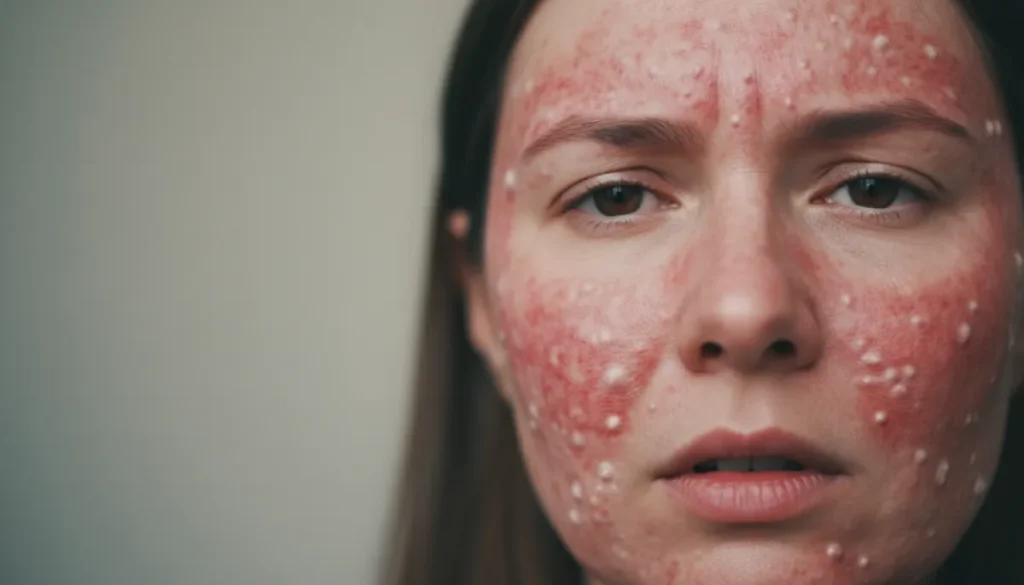
Facial allergic reactions occur when the immune system mistakenly identifies a harmless substance as a threat and releases inflammatory chemicals. The most common forms include contact dermatitis, hives (urticaria), and angioedema. While contact dermatitis typically presents as a red, itchy rash where the allergen touched the skin, hives appear as raised, red bumps that can migrate across the face. Angioedema, on the other hand, involves deeper swelling that may affect the eyes, lips, or throat and requires immediate medical attention.
Key triggers for a facial allergic reaction often involve everyday products:
- Cosmetics and skincare ingredients (fragrances, preservatives)
- Hair care products (shampoos, dyes)
- Environmental allergens (pollen, dust mites)
- Food allergens that can cause systemic reactions
- Metals in jewelry (nickel, cobalt)
Understanding the specific cause is essential for effective treatment. For instance, contact dermatitis may require avoidance of the offending product, while hives on the face often respond well to antihistamines. If you notice a pattern—such as a rash appearing after using a particular cleanser—consider keeping a symptom diary to share with your dermatologist.
Recognizing Symptoms and When to Seek Medical Help
Identifying the severity of an allergic reaction on the face is crucial for deciding whether home care is sufficient or professional intervention is needed. Common symptoms include:
- Redness and itching
- Swelling of the eyelids or lips
- Raised bumps (hives) that may be painful
- Burning or stinging sensations
- Difficulty breathing (a sign of severe angioedema)
Below is a quick reference table that compares mild versus severe presentations:
| Feature | Mild Reaction | Severe Reaction |
|---|---|---|
| Roodheid | Localized, limited to a small area | Extensive, spreading across the face |
| Zwelling | Minor puffiness, no impact on vision | Significant swelling, eyelid or lip involvement |
| Hives | Few, small bumps | Numerous, large welts |
| Systemic Symptoms | Absent | Shortness of breath, throat tightness |
If you experience any signs of severe swelling, difficulty breathing, or a rapidly spreading rash, seek emergency medical care immediately. These symptoms may indicate angioedema, which can become life‑threatening without prompt treatment.
Effective Home Care and Over‑the‑Counter Options
For most mild to moderate facial allergic reactions, simple at‑home measures can provide rapid relief. Start by gently cleansing the area with lukewarm water and a fragrance‑free cleanser to remove any residual irritant. Applying a cool compress for 10‑15 minutes helps reduce inflammation and soothes itching.
Over‑the‑counter (OTC) remedies are also valuable:
- Hydrocortisone cream (1%) – Apply sparingly to calm redness and itching; avoid the eye area.
- Antihistamine tablets (e.g., cetirizine, loratadine) – Effective for hives and general itchiness.
- Calamine lotion – Provides a protective barrier and a cooling sensation.
- Moisturizing ointments with ceramides – Help restore the skin barrier after irritation.
When using topical steroids on the face, limit application to no more than three consecutive days and follow the product instructions carefully. If symptoms persist beyond 48‑72 hours, it is advisable to consult a dermatologist for a prescription-strength treatment.
Additional supportive steps include:
- Keeping the skin hydrated with a gentle, hypoallergenic moisturizer.
- Avoiding hot showers, which can exacerbate itching.
- Using a humidifier in dry environments to prevent dry skin flare‑ups.
Professional Treatments Offered at Gold City Medical Center
When home care is insufficient or the reaction is recurrent, Gold City Medical Center provides a comprehensive suite of dermatological services tailored to facial allergic reactions. Our integrative approach combines evidence‑based medicine with cosmetic expertise to ensure both health and aesthetic outcomes.
Key services include:
- Patch testing – Identifies specific allergens responsible for contact dermatitis.
- Prescription‑strength topical steroids or calcineurin inhibitors for severe rashes.
- Oral corticosteroids or antihistamines for acute angioedema.
- Laser therapy to reduce hyperpigmentation left by chronic inflammation.
- Medical‑grade chemical peels to restore skin texture after prolonged irritation.
Our board‑certified dermatologists also collaborate with our cosmetic specialists to develop personalized skin‑care regimens that minimize future flare‑ups while enhancing overall complexion. After a thorough examination, we can recommend targeted products that are free of common irritants such as fragrance, parabens, and sulfates.
Patients benefit from our state‑of‑the‑art facilities, which include advanced diagnostic tools and a comfortable environment designed for holistic care.
Preventing Future Reactions: Long‑Term Strategies
Prevention is the cornerstone of managing an allergic reaction on the face. By adopting a proactive skin‑care routine and staying vigilant about potential triggers, you can dramatically reduce the likelihood of recurring episodes.
Consider these long‑term strategies:
- Maintain a trigger journal – Record products, foods, and environmental exposures that precede flare‑ups.
- Choose hypoallergenic cosmetics that are fragrance‑free and labeled “non‑comedogenic.”
- Schedule regular skin evaluations with a dermatologist, especially if you have a history of eczema or chronic dermatitis.
- Implement a gentle cleansing routine: use lukewarm water, a mild cleanser, and pat dry—avoid vigorous rubbing.
- Protect your skin from UV damage with a broad‑spectrum sunscreen (SPF 30 or higher) that is formulated for sensitive skin.
For those with a confirmed allergy to a specific ingredient, our team can provide customized “safe‑use” guidelines and recommend alternative products that meet your aesthetic goals without compromising skin health.
Why Choose Gold City Medical Center
Gold City Medical Center combines medical expertise with aesthetic excellence, offering integrative solutions for facial allergic reactions and overall skin health. Our multidisciplinary team ensures that each patient receives personalized care, from precise allergy testing to advanced cosmetic treatments. With a focus on safety, effectiveness, and patient comfort, we help you achieve clear, healthy skin while maintaining the confidence you deserve.
Ready to regain control of your skin health? Contact Gold City Medical Center today to schedule a comprehensive skin assessment and discover a tailored plan for managing facial allergic reactions.
Call us now or visit our clinic for a personalized consultation—your journey to calm, radiant skin starts here.
FAQ
What are the most common triggers of facial allergic reactions?
Common triggers include cosmetics, skincare products, hair care items, environmental allergens, certain foods, and metals in jewelry.
How can I tell if a facial allergic reaction is mild or severe?
Mild reactions are limited to localized redness and itching, while severe reactions involve extensive swelling, large hives, or breathing difficulties.
What over‑the‑counter treatments are effective for facial allergic reactions?
Hydrocortisone cream, antihistamine tablets, calamine lotion, and ceramide‑rich moisturizers are commonly used OTC options.
When should I seek professional dermatology care for a facial allergic reaction?
Seek professional care if the reaction is severe, recurrent, or does not improve after 2‑3 days of proper home treatment.
How can I prevent future facial allergic reactions?
Maintain a trigger journal, use hypoallergenic products, and schedule regular dermatology check‑ups.
What long‑term skin‑care routine is recommended for sensitive facial skin?
A gentle routine with a mild cleanser, fragrance‑free moisturizer, and broad‑spectrum sunscreen is ideal.





