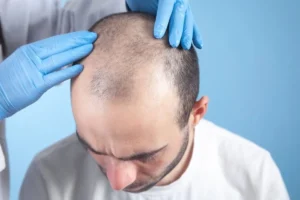
When it comes to addressing hair loss, thinning, or scalp discomfort, a trichology treatment offers a science‑based approach that goes beyond generic hair products. At Gold City Medical Center, our specialists blend medical expertise with cutting‑edge technology to diagnose and treat the root causes of hair problems. Did you know that up to 40 % of men and women experience noticeable hair thinning by the age of 35? This common concern often leads individuals to seek professional help rather than trial‑and‑error solutions.
In this article we will explore what trichology really entails, how a qualified trichologist evaluates your scalp, and the range of personalized therapies available—from medically proven medications to advanced cosmetic procedures. Understanding the process empowers you to make informed decisions about your hair health journey.
We’ll also highlight why Gold City Medical Center stands out as a trusted destination for comprehensive hair and scalp care, and what you can expect during your first appointment. Let’s dive into the world of hair science and discover how a targeted trichology treatment can transform your confidence.
Understanding Trichology and Its Role in Hair Health
Trichology is the scientific study of the hair and scalp, encompassing everything from hair growth cycles to the impact of nutrition, hormones, and environmental factors. A trichologist—sometimes referred to as a hair doctor or scalp specialist—uses this knowledge to pinpoint the underlying causes of hair loss, dandruff, and other scalp disorders.
What Is Trichology?
At its core, trichology merges dermatology, endocrinology, and cosmetic science. While dermatologists treat skin conditions, trichologists focus specifically on the hair follicle unit, employing diagnostic tools such as trichoscopy, dermoscopy, and digital phototrichograms. This specialized focus enables a more precise identification of issues like androgenetic alopecia, telogen effluvium, and scalp psoriasis.
Key Areas of Trichology Treatment
- Scalp analysis and diagnosis
- Hormonal and nutritional assessments
- Targeted medication regimens (e.g., minoxidil, finasteride)
- Low‑level laser therapy and PRP (platelet‑rich plasma) injections
- Customized hair‑care product recommendations
By addressing each of these components, a trichology treatment plan can improve hair density, reduce shedding, and enhance overall scalp health. This holistic approach distinguishes trichology from generic hair‑care advice and aligns with the integrative philosophy of Gold City Medical Center.

How a Trichologist Conducts a Comprehensive Scalp Analysis
The first step in any effective trichology treatment is a thorough scalp analysis. This evaluation combines visual inspection with high‑resolution imaging to map the condition of each hair follicle. The process typically includes three stages: clinical interview, diagnostic imaging, and laboratory testing.
Clinical Interview
During the interview, the trichologist gathers information about family history, medical conditions, medication use, diet, and lifestyle factors. Questions such as “Do you notice increased shedding after a stressful event?” help narrow down potential triggers.
Diagnostic Imaging
Advanced tools like trichoscopy provide magnified views of the scalp, revealing signs of inflammation, miniaturized follicles, or fungal infection. Digital phototrichograms track hair growth over time, allowing precise measurement of hair density and thickness.
| Tool | Purpose | Key Insight |
|---|---|---|
| Trichoscope | High‑magnification imaging | Detect follicular miniaturization |
| Dermoscope | Surface skin assessment | Identify scalp psoriasis or dermatitis |
| Phototrichogram | Longitudinal hair growth tracking | Measure treatment efficacy |
Laboratory Testing
Blood tests may be ordered to assess hormone levels, iron stores, thyroid function, and vitamin D status—factors that directly influence hair growth. The results guide the selection of systemic therapies within the broader trichology treatment plan.
Personalized Treatment Plans: From Medical Therapies to Cosmetic Solutions
Once the diagnosis is complete, the trichologist designs a personalized treatment plan. This plan balances medical interventions with cosmetic enhancements, ensuring both efficacy and patient satisfaction.
Medical Therapies
- Topical minoxidil – stimulates follicular activity and prolongs the growth phase.
- Oral finasteride – blocks DHT production, a key factor in androgenetic alopecia.
- PRP injections – use the patient’s own platelet‑rich plasma to promote regeneration.
- Low‑level laser therapy (LLLT) – improves cellular metabolism in hair follicles.
Cosmetic and Supportive Options
- Custom‑blended hair‑care products formulated for your scalp type.
- Microneedling – enhances product absorption and stimulates collagen.
- Hair fiber powders and sprays – provide immediate visual density.
- Hair transplant consultation – for advanced cases where restoration is desired.
Each component is selected based on the individual’s diagnosis, goals, and tolerance. For example, a patient with mild androgenetic alopecia may begin with minoxidil and nutritional support, while someone with severe thinning might combine finasteride, PRP, and LLLT. This flexible approach is a hallmark of a comprehensive trichology treatment.
Common Hair Concerns Addressed by Trichology Treatment
Trichology treatment is effective for a wide range of hair and scalp issues. Below are the most frequently encountered conditions and how a trichologist approaches each.
- Androgenetic alopecia – progressive pattern baldness treated with DHT blockers, minoxidil, and possible hair transplant.
- Telogen effluvium – temporary shedding due to stress or hormonal shifts; managed with nutritional support and scalp stimulation.
- Scalp psoriasis and seborrheic dermatitis – anti‑inflammatory shampoos and topical steroids reduce flaking and irritation.
- Hair shaft disorders (e.g., trichorrhexis nodosa) – protective styling and protein‑rich treatments strengthen the hair.
- Fungal infections (tinea capitis) – antifungal medication combined with gentle cleansing routines.
By targeting the specific pathology, a trichology treatment can halt progression, promote regrowth, and improve the overall appearance of the hair. Early intervention often yields the best outcomes, underscoring the importance of consulting a qualified hair specialist at the first sign of change.
What to Expect During Your First Visit to Gold City Medical Center
Walking into Gold City Medical Center, you will be welcomed by a team dedicated to integrative hair care. Your first appointment typically follows these steps:
- Welcome and intake – A brief questionnaire captures your medical history, lifestyle, and hair‑care routine.
- Scalp examination – The trichologist conducts a visual and magnified assessment using a trichoscope.
- Diagnostic testing – If needed, blood work or a scalp biopsy is arranged to rule out systemic causes.
- Personalized plan presentation – You receive a detailed report outlining recommended therapies, timelines, and expected outcomes.
- Follow‑up schedule – Regular check‑ins ensure the treatment is on track, with adjustments made as necessary.
Throughout the process, the focus remains on transparent communication and evidence‑based interventions. Our goal is to make you feel confident and informed every step of the way.
Why Choose Gold City Medical Center
Gold City Medical Center combines medical expertise with aesthetic excellence, offering a full spectrum of hair‑restoration services under one roof. Our certified trichologists work alongside dermatologists and cosmetic specialists to deliver tailored solutions that address both the health of your scalp and the visual appeal of your hair. With state‑of‑the‑art technology, a patient‑centered approach, and a commitment to continuous innovation, we provide reliable, results‑driven care for anyone seeking lasting hair improvement.
Ready to reclaim a fuller, healthier head of hair? Contact Gold City Medical Center today to schedule your personalized trichology consultation and start your journey toward lasting confidence.
FAQ
What is trichology and how does it differ from dermatology?
Trichology is the scientific study of hair and scalp, focusing specifically on hair follicles, while dermatology covers the entire skin system.
How does a scalp analysis help diagnose hair loss?
A scalp analysis combines visual inspection, high‑resolution imaging, and lab tests to pinpoint the underlying cause of hair loss.
What are the most common treatments offered in trichology?
Typical treatments include topical minoxidil, oral finasteride, PRP injections, low‑level laser therapy, and customized hair‑care products.
How long does it take to see results from minoxidil or PRP therapy?
Minoxidil typically shows visible improvement after 3‑6 months, while PRP may produce noticeable regrowth within 2‑4 months.
What should I expect during my first visit to a trichology clinic?
Your first visit includes a questionnaire, scalp examination with a trichoscope, possible lab tests, and a personalized treatment plan presentation.
Are there any side effects of finasteride and other hair loss medications?
Finasteride can cause sexual side effects and rare hormonal changes; topical minoxidil may cause scalp irritation in some users.