What does Botox do, and why has it become a cornerstone of modern aesthetic and medical care? In simple terms, Botox temporarily relaxes targeted muscles, reducing the appearance of wrinkles and offering therapeutic relief for several medical conditions. This article explains the science, benefits, duration, safety, and practical steps involved in Botox treatment, helping you decide if it aligns with your goals.
Botox—derived from the neurotoxic protein of Clostridium botulinum—has evolved from a lifesaving medication for muscle disorders into a popular cosmetic solution. In 2023, over 7 million Botox procedures were performed worldwide, illustrating its broad appeal and trusted safety profile.
Whether you are curious about smoothing forehead lines, easing migraine attacks, or exploring other therapeutic uses, understanding how Botox works and what to expect will empower you to make an informed choice. Let’s dive into the details.
How Botox Works: The Science Behind the Treatment
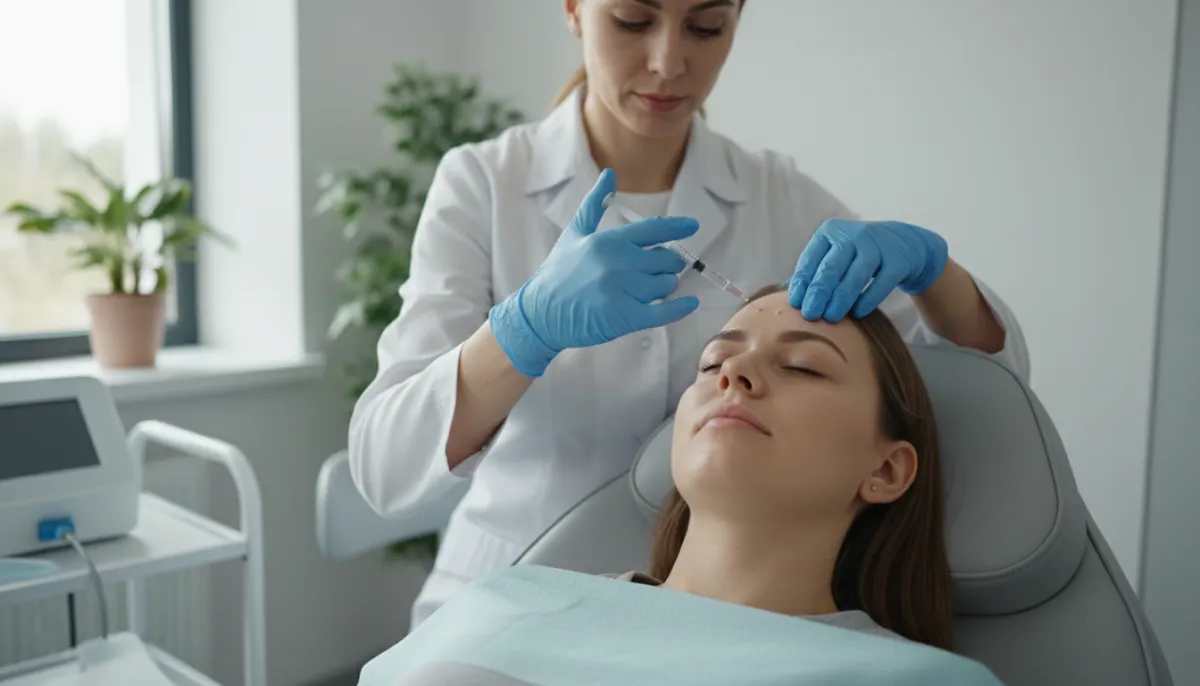
Botox’s active ingredient is botulinetoxine, a purified protein that blocks the release of acetylcholine at the neuromuscular junction. When injected in small, controlled doses, the toxin prevents muscle contraction, leading to a smooth, relaxed skin surface.
Botulinum Toxin Mechanism
The toxin binds to nerve endings and is internalized, where it cleaves SNAP‑25 proteins essential for neurotransmitter release. This interruption halts the signal that tells muscle fibers to contract. The effect is temporary, typically lasting three to six months, after which nerve endings regenerate and normal function returns.
Typical Injection Sites
Common areas for Botox injections include:
- Forehead (horizontal lines)
- Between the eyebrows (frown lines)
- Around the eyes (crow’s feet)
- Neck bands
- Jawline (masseter muscle)
Below is a quick reference of frequently treated zones and their expected outcomes:
| Area | Typical Dose (Units) | Result |
|---|---|---|
| Voorhoofd | 10–20 | Reduced horizontal lines |
| Glabella (frown lines) | 15–30 | Smoother vertical lines |
| Crow’s Feet | 10–15 per side | Softened eye wrinkles |
| Neck Bands | 15–30 | Relaxed platysma muscle |
Understanding this mechanism clarifies why Botox is effective for both cosmetic smoothing and medical conditions that involve overactive muscles.
Benefits of Botox: From Wrinkle Reduction to Medical Uses
While many associate Botox with cosmetic enhancement, its applications extend far beyond the mirror. Below are the primary benefits that patients experience.
Cosmetic Advantages
- Wrinkle reduction – Smoothes dynamic lines caused by repeated facial expressions.
- Improved facial harmony – Allows subtle reshaping of the jawline and brow.
- Quick recovery – Most patients resume normal activities within 24 hours.
Therapeutic Uses
Medical professionals prescribe Botox for several conditions, including:
- Chronic migraine – Injections around the head and neck can lower attack frequency.
- Hyperhidrosis – Reduces excessive sweating in the underarms, palms, or scalp.
- Temporomandibular joint (TMJ) disorder – Relaxes the masseter muscle to ease jaw pain.
- Strabismus – Corrects eye misalignment by weakening overactive eye muscles.
These therapeutic uses are supported by clinical research and illustrate why Botox is considered a versatile neurotoxin therapy. Whether you seek a smoother complexion or relief from a specific medical issue, Botox offers a minimally invasive solution.
Duration and Maintenance: How Long Does Botox Last?
The question “how long does Botox last” is central to planning any treatment. On average, the effects persist for three to six months, but several factors influence longevity.
Factors Influencing Duration
- Metabolism – Faster metabolic rates may shorten the effect.
- Injection site – Areas with higher muscle activity (e.g., forehead) may wear off sooner.
- Dosage – Higher unit counts can extend the visible period.
- Age and skin quality – Younger skin may retain results longer.
Below is a concise guide to typical duration by treatment area:
| Area | Typical Duration | Notes |
|---|---|---|
| Voorhoofd | 3–4 months | High muscle activity may reduce longevity. |
| Glabella (frown lines) | 4–5 months | Often the longest‑lasting cosmetic site. |
| Crow’s Feet | 3–4 months | Depends on eye movement frequency. |
| Neck bands | 5–6 months | Muscle is less active, extending effect. |
To maintain a consistent appearance, many patients schedule follow‑up appointments every four to six months. Regular maintenance not only preserves results but can also reduce the required dosage over time as the muscles become conditioned.
Safety, Side Effects, and What to Expect
Understanding the safety profile of Botox is essential before deciding on treatment. When administered by a qualified practitioner, Botox is considered safe with a low incidence of serious complications.
Vaak voorkomende bijwerkingen
- Temporary bruising at injection sites
- Mild headache or flu‑like symptoms
- Localized tenderness
- Rarely, drooping eyelids if injected too close to the eye muscles
These effects typically resolve within a few days. Severe adverse events, such as widespread muscle weakness, are extremely rare and usually linked to excessive dosing or pre‑existing neuromuscular disorders.
Is Botox Safe?
Botox has been approved by health authorities worldwide for both cosmetic and therapeutic indications. The botulinetoxine used in approved formulations is highly purified, minimizing the risk of toxin‑related complications. Nevertheless, patients should disclose any medical history, including pregnancy, breastfeeding, or neuromuscular diseases, to ensure suitability.
Choosing a certified specialist—such as a dermatologist or plastic surgeon—greatly reduces the likelihood of unwanted outcomes. At Gold City Medical Center, all providers are trained in the latest injection techniques and adhere to strict aseptic protocols.
Preparing for Your Botox Appointment: Choosing the Right Provider
Successful Botox outcomes begin long before the needle touches the skin. Proper preparation and the selection of an experienced provider are key components of a safe, satisfying experience.
Pre‑Procedure Guidelines
- Avoid blood‑thinning medications (e.g., aspirin, ibuprofen) for at least one week.
- Refrain from alcohol and extensive sun exposure 24 hours prior.
- Discuss any allergies, medications, or medical conditions with your practitioner.
- Arrive with a clean, makeup‑free face to facilitate accurate injection placement.
Choosing Gold City Medical Center
Our team combines medical expertise with aesthetic artistry, offering a personalized approach to each client. We employ state‑of‑the‑art equipment, maintain rigorous hygiene standards, and provide comprehensive after‑care instructions.
During the initial consultation, we assess your facial anatomy, discuss realistic expectations, and tailor a treatment plan that aligns with your aesthetic or therapeutic goals. This thorough process ensures that you receive the most effective and safe Botox experience possible.
Why Choose Gold City Medical Center
Gold City Medical Center delivers integrative healthcare with a focus on precision, safety, and personalized care. Our specialists are trained in both medical and cosmetic applications of Botox, ensuring you benefit from the latest techniques and evidence‑based practices. Whether you seek wrinkle reduction, migraine relief, or another therapeutic outcome, our multidisciplinary team provides a supportive environment that prioritizes your health and aesthetic aspirations.
Ready to experience the transformative benefits of Botox? Contact Gold City Medical Center today to schedule your personalized consultation and take the first step toward smoother skin and improved well‑being.
Call us or visit our clinic for a comprehensive assessment—your confidence starts here.
FAQ
How does Botox work?
Botox contains botulinum toxin that blocks acetylcholine release, temporarily preventing muscle contraction.
What are the common injection sites for Botox?
Typical areas include the forehead, glabella, crow’s feet, neck bands, and the masseter jawline.
How long does Botox last?
Effects usually persist for three to six months, varying by area, dosage, metabolism, and age.
Wat zijn de meest voorkomende bijwerkingen van Botox?
Typical side effects include temporary bruising, mild headache, localized tenderness, and rare eyelid drooping.
Is Botox safe for medical use?
When administered by a qualified professional, Botox is considered safe for both cosmetic and therapeutic indications.
How should I prepare for a Botox appointment?
Avoid blood‑thinners, alcohol, and excessive sun exposure; arrive with a clean, makeup‑free face and discuss medications.
What benefits does Botox offer beyond wrinkle reduction?
Botox can treat chronic migraine, hyperhidrosis, TMJ disorder, and strabismus, among other medical conditions.





