Hair loss can be a distressing experience, and many people wonder about the reasons for losing hair. In this article we explore the most common causes, from medical conditions to everyday habits, and explain why understanding the underlying factors is essential for effective treatment. According to recent studies, up to 40 % of adults experience noticeable thinning by the age of 35, highlighting how widespread the issue has become.
We will walk through the physiological mechanisms that trigger hair shedding, identify lifestyle contributors, and outline the diagnostic steps you can take with a qualified professional. Whether you are dealing with a receding hairline, patchy bald spots, or diffuse thinning, gaining insight into the root causes empowers you to choose the right solution.
By the end of this guide you will have a clear picture of the various triggers, know when to seek medical advice, and be familiar with the treatment options available at Gold City Medical Center.
Common Medical Causes of Hair Loss
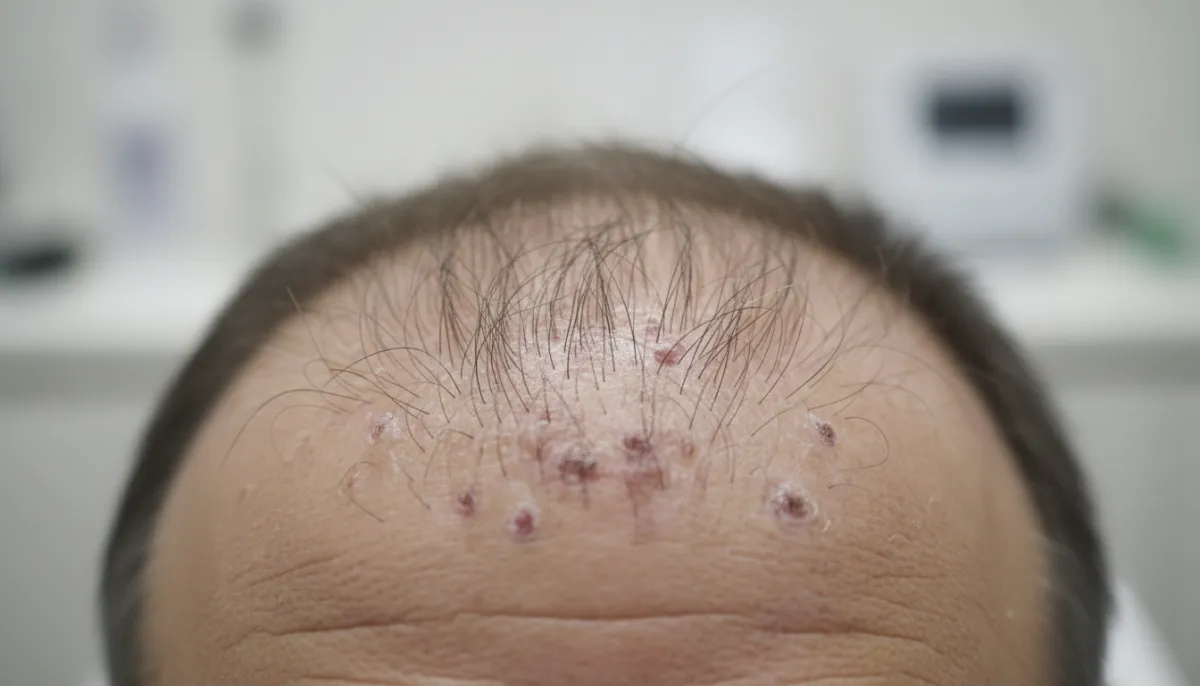
Several medical conditions directly affect the hair growth cycle, leading to increased shedding. Understanding these conditions helps you recognize when hair loss is a symptom of a broader health issue.
Alopecia Areata
Alopecia areata is an autoimmune disorder that causes sudden, patchy hair loss. The immune system mistakenly attacks hair follicles, resulting in smooth, round bald spots. While the exact trigger is unknown, stress and genetic predisposition play roles.
Telogeen Effluvium
Telogen effluvium occurs when a large number of hair follicles enter the resting (telogen) phase simultaneously. Common triggers include severe illness, major surgery, high fever, or rapid weight loss. The condition typically manifests a few months after the trigger and can resolve on its own once the underlying cause is addressed.
Hormonale onevenwichtigheden
Hormonal fluctuations, especially related to thyroid disorders or polycystic ovary syndrome (PCOS), can disrupt the hair cycle. Both hypothyroidism and hyperthyroidism may lead to diffuse thinning across the scalp.
| Condition | Typical Pattern | Key Indicator |
|---|---|---|
| Alopecia Areata | Patchy bald spots | Sudden onset, smooth patches |
| Telogeen Effluvium | Diffuse shedding | Recent stressor or illness |
| Thyroid Disorder | General thinning | Other systemic symptoms |
These medical causes account for a significant portion of the reasons for losing hair and often require professional evaluation before any cosmetic treatment is considered.
Levensstijl en omgevingsfactoren
Everyday habits and environmental exposures can accelerate hair shedding. While not always the primary cause, they often exacerbate an existing predisposition.
Stress and Nutrition
Chronic stress elevates cortisol levels, which can shorten the anagen (growth) phase of hair. Combined with poor nutrition—especially deficiencies in iron, zinc, vitamin D, and protein—stress creates a perfect storm for thinning hair.
Harsh Hair Treatments
Frequent use of high-heat styling tools, chemical relaxers, or tight hairstyles (such as braids and ponytails) can cause traction alopecia. This form of hair loss results from constant pulling on the hair shaft, leading to follicle damage over time.
Environmental Pollution
Exposure to pollutants, UV radiation, and chlorine in swimming pools can weaken hair fibers and irritate the scalp, contributing to breakage and shedding.
- Limit heat styling to 2–3 times per week.
- Choose gentle, sulfate‑free shampoos.
- Maintain a balanced diet rich in leafy greens, lean proteins, and omega‑3 fatty acids.
- Manage stress through meditation, exercise, or counseling.
Addressing these lifestyle contributors can significantly reduce the reasons for losing hair that stem from daily choices.
Genetic and Hormonal Influences
Genetics play a pivotal role in many cases of hair loss, particularly the patterns most commonly observed in men and women.
Androgenetic Alopecia
Androgenetic alopecia, often referred to as male or female pattern baldness, is driven by the hormone dihydrotestosterone (DHT) acting on genetically susceptible follicles. In men, this typically manifests as a receding hairline and thinning at the crown. Women may notice diffuse thinning across the top of the scalp while maintaining the frontal hairline.
Male Pattern Baldness
Male pattern baldness follows a well‑defined progression, classified by the Hamilton–Norwood scale. Early stages involve a subtle recession at the temples, advancing to extensive balding on the crown and vertex.
Female Pattern Baldness
Female pattern baldness is less dramatic but equally impactful. It often presents as a widening part and reduced density over the central scalp.
| Pattern | Typical Areas Affected | Gender Prevalence |
|---|---|---|
| Androgenetic Alopecia | Temples, crown, vertex | Both (male > female) |
| Male Pattern Baldness | Frontal hairline, crown | Male |
| Female Pattern Baldness | Mid‑scalp, part line | Vrouw |
Genetic predisposition is a major component of the reasons for losing hair, and recognizing the pattern early can guide timely interventions.
When Hair Loss Signals Underlying Health Issues
Sometimes hair loss is the first visible sign of a systemic condition. Identifying these red‑flag scenarios is crucial for overall health.
Schildklieraandoeningen
Both hypothyroidism and hyperthyroidism can lead to diffuse thinning. Symptoms may include fatigue, weight changes, and temperature sensitivity. Blood tests for TSH, free T4, and T3 are essential for diagnosis.
Autoimmune Diseases
Beyond alopecia areata, conditions such as lupus or systemic sclerosis can cause hair shedding due to inflammation of the scalp.
Medication‑Induced Hair Loss
Several prescription drugs, including anticoagulants, retinoids, and certain antidepressants, list hair loss as a possible side effect. A medication review with your physician can determine if a drug change is warranted.
- Schedule a comprehensive health check if you notice sudden, unexplained shedding.
- Ask for thyroid function tests and a complete blood count.
- Review current medications for potential side effects.
- Consider referral to a dermatologist or trichologist for specialized assessment.
Addressing these underlying factors often resolves the reasons for losing hair without needing invasive procedures.
Diagnostic Approach and Treatment Options
Effective treatment begins with a precise diagnosis. At Gold City Medical Center, a multidisciplinary team evaluates each case to tailor a personalized plan.
Clinical Examination
The specialist assesses scalp health, hair density, and pattern of loss. Trichoscopy—a dermatoscopic examination of the scalp—helps differentiate between inflammatory and non‑inflammatory causes.
Laboratory Testing
Blood work may include hormone panels, iron studies, and autoimmune markers. These tests pinpoint systemic contributors that need medical management.
Therapeutic Options
Depending on the identified cause, treatment may involve:
- Topical minoxidil or oral finasteride for androgenetic alopecia.
- Intralesional corticosteroids for alopecia areata.
- Nutritional supplementation to correct deficiencies.
- Low‑level laser therapy (LLLT) to stimulate follicular activity.
- Hair transplantation (FUE or FUT) for permanent restoration.
Combining medical therapy with lifestyle adjustments often yields the best outcomes, addressing multiple reasons for losing hair simultaneously.
Why Choose Gold City Medical Center
Gold City Medical Center offers an integrative approach that blends advanced medical expertise with state‑of‑the‑art cosmetic solutions. Our team of dermatologists, trichologists, and hair‑restoration surgeons collaborates to provide personalized care, from accurate diagnosis to long‑lasting results. With a focus on patient comfort and evidence‑based treatments, we ensure each individual receives the most appropriate therapy for their specific hair loss profile.
Ready to uncover the cause of your hair loss and explore effective solutions? Contact Gold City Medical Center today to schedule a comprehensive consultation.
Take the first step toward renewed confidence—our specialists are here to guide you every step of the way.
FAQ
What are the most common medical causes of hair loss?
The most common medical causes include alopecia areata, telogen effluvium, and thyroid disorders.
How does chronic stress contribute to hair shedding?
Chronic stress raises cortisol levels, which shortens the hair’s growth phase and can lead to increased shedding.
What is the difference between male and female pattern baldness?
Male pattern baldness typically starts with a receding hairline and crown thinning, while female pattern baldness shows diffuse thinning across the top with a preserved frontal hairline.
Can thyroid disorders cause hair loss, and how is it diagnosed?
Yes, both hypothyroidism and hyperthyroidism can cause diffuse hair thinning, diagnosed through blood tests for TSH, free T4, and T3.
Which everyday hair‑care habits should be avoided to prevent hair loss?
Avoid frequent high‑heat styling, harsh chemical treatments, tight hairstyles, and exposure to pollutants or chlorine.
What diagnostic steps are taken to determine the cause of hair loss?
A thorough clinical examination, trichoscopy, blood tests, and possibly a scalp biopsy are used to pinpoint the





