If you’ve ever asked yourself, “why is my hairline receding,” you are not alone. Millions of people notice their hairline moving back over the years, and the question often leads to a mix of curiosity, concern, and a desire for solutions. A receding hairline can affect confidence, influence personal style, and even signal underlying health issues.
In this article we will explore the most common medical, genetic, and lifestyle factors that contribute to a shifting hairline. We will also outline the diagnostic steps you can take, describe the different types of alopecia that may be involved, and present the range of treatment options—from topical medications to advanced hair transplant procedures offered at Gold City Medical Center.
Understanding the root cause is essential because it determines the most effective intervention. For example, a pattern of mannelijke kaalheid may respond well to finasteride, while traction alopecia caused by tight hairstyles often improves with changes in grooming habits. By the end of this guide, you will have a clear roadmap for assessing your situation and choosing the right professional help.
Common Medical Reasons for a Receding Hairline
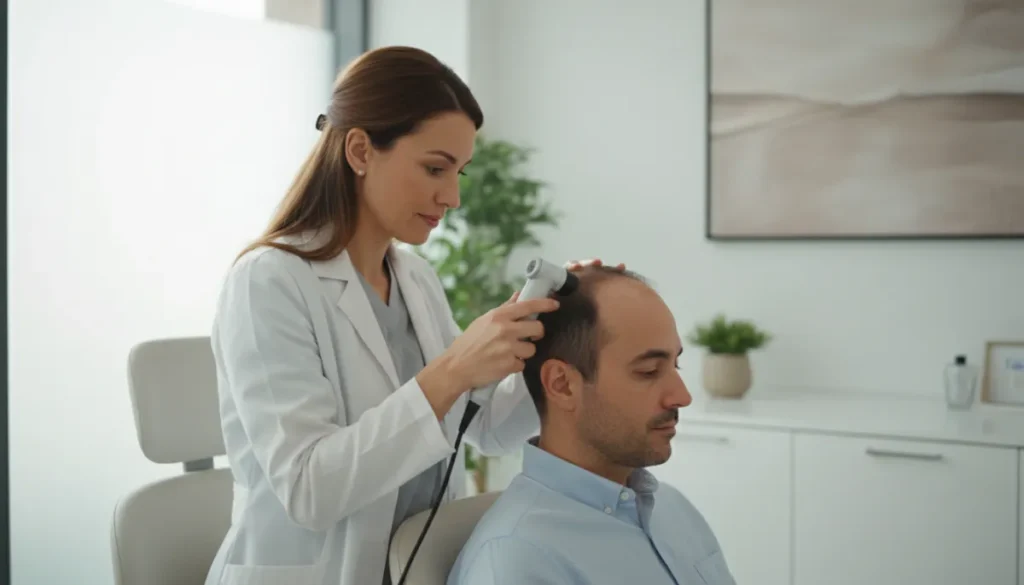
One of the most frequent answers to the question “why is my hairline receding” lies in genetics. Androgenetic alopecia, commonly known as male or female pattern baldness, is driven by a combination of hereditary factors and the hormone dihydrotestosterone (DHT). This condition typically begins with a receding hairline at the temples and a thinning crown.
Hormonal changes also play a significant role. Women experiencing menopause may notice a gradual shift in hair density due to reduced estrogen levels, while thyroid disorders—both hypothyroidism and hyperthyroidism—can cause diffuse hair loss that includes the frontal hairline.
Other medical conditions that can lead to a receding hairline include:
- Scalp infections such as fungal ringworm (tinea capitis)
- Autoimmune disorders like alopecia areata, which can target the hairline specifically
- Severe nutritional deficiencies, especially iron, zinc, and biotin
- Chronic illnesses that cause systemic inflammation
Below is a quick comparison of the most common medical causes:
| Condition | Typical Pattern | Key Indicator |
|---|---|---|
| Androgenetic Alopecia | Receding temples, thinning crown | Family history, gradual progression |
| Alopecia Areata | Patchy loss, may affect hairline | Sudden spotty hair loss |
| Thyroid Disorder | Diffuse thinning, including front | Fatigue, weight changes |
| Scalp Infection | Localized patches, redness | Itching, scaling |
When the underlying cause is medical, addressing the root condition—whether through hormone regulation, antifungal treatment, or nutritional supplementation—can halt or even reverse the recession of the hairline.
Lifestyle and Environmental Factors That Influence Hair Loss
Even if genetics set the stage, everyday habits can accelerate the process. Chronic stress triggers the release of cortisol, which can push hair follicles into a resting phase, leading to increased shedding and a noticeable shift in the hairline.
Poor nutrition is another major contributor. Diets low in protein, essential fatty acids, and micronutrients such as iron and vitamin D deprive hair follicles of the building blocks they need to grow. Conversely, a balanced diet rich in leafy greens, lean meats, and omega‑3 fatty acids supports healthy hair cycles.
Smoking and excessive alcohol consumption also have a documented impact on hair health. Nicotine reduces blood flow to the scalp, while alcohol can lead to dehydration and hormonal imbalances, both of which may cause the hairline to recede faster.
Environmental pollutants—including particulate matter and heavy metals—can generate oxidative stress on scalp skin. Over time, this oxidative damage weakens follicles and contributes to thinning hair at the front.
Finally, certain grooming practices create mechanical stress. Tight ponytails, braids, or headbands can cause traction alopecia, a form of hair loss that often begins at the hairline and temples.
Practical steps to mitigate lifestyle‑related hair loss include:
- Adopting stress‑management techniques such as meditation or regular exercise.
- Ensuring a nutrient‑dense diet with adequate protein, iron, zinc, and vitamins.
- Quitting smoking and limiting alcohol intake.
- Choosing loose hairstyles and avoiding constant pulling.
- Protecting the scalp from harsh environmental factors with hats or gentle cleansers.
By adjusting these daily habits, many people find that the progression of a receding hairline slows down considerably, giving medical treatments a better chance to work.
Different Types of Alopecia and Their Impact on the Hairline
When you wonder “why is my hairline receding,” it’s helpful to differentiate between the many forms of alopecia that can target the frontal scalp. Each type has distinct characteristics, causes, and treatment pathways.
Alopecia Areata is an autoimmune condition where the body mistakenly attacks hair follicles, often producing round, smooth patches of hair loss. When these patches appear near the temples, the hairline can look uneven or retreat.
Scarring (Cicatricial) Alopecia results from inflammation that destroys hair follicles and replaces them with scar tissue. This type is less common but can cause permanent hair loss at the hairline if left untreated.
Androgenetic Alopecia (male or female pattern baldness) remains the most prevalent cause of a receding hairline. The process is gradual, with the hairline forming an “M” shape in men or a diffuse thinning in women.
Alopecia tractie is caused by chronic pulling forces from tight hairstyles. Early signs include tenderness and redness along the hairline, which can progress to permanent loss if the tension continues.
Below is a concise overview of each alopecia type:
| Alopecia Type | Typical Hairline Effect | Reversibility |
|---|---|---|
| Alopecia Areata | Patchy loss, may affect temples | Often reversible with steroids |
| Scarring Alopecia | Permanent loss, scar tissue | Rarely reversible |
| Androgenetic Alopecia | Gradual recession, “M” shape | Manageable with medication |
| Alopecia tractie | Localized front loss | Reversible if tension stops |
Identifying the specific alopecia type is essential because it dictates the most appropriate therapy. For instance, corticosteroid injections may be effective for alopecia areata, whereas surgical hair restoration is typically reserved for androgenetic patterns.
Diagnostic Steps and When to Seek Professional Help
Before deciding on a treatment plan, it’s crucial to answer “why is my hairline receding” through a thorough evaluation. A qualified clinician will combine visual inspection with targeted tests to pinpoint the cause.
Typical diagnostic steps include:
- Medical History Review – Assess family patterns of hair loss, recent illnesses, medication use, and lifestyle factors.
- Physical Scalp Examination – Look for signs of inflammation, scaling, or scar tissue.
- Dermoscopy – A magnified view of follicles that helps differentiate between androgenetic alopecia and other disorders.
- Blood Tests – Evaluate thyroid function, iron levels, hormone balance, and autoimmune markers.
- Biopsy (if needed) – Small tissue sample to diagnose scarring alopecia or unusual patterns.
When to schedule an appointment:
- Rapid or sudden hair loss over weeks.
- Noticeable pain, itching, or redness on the scalp.
- Family history of early‑onset baldness combined with personal concern.
- Failure of over‑the‑counter products after three months.
Early detection allows for interventions that can preserve existing follicles and improve the odds of successful hair restoration. Gold City Medical Center’s specialists use state‑of‑the‑art equipment to perform these assessments efficiently and compassionately.
Treatment Options: From Medications to Hair Transplant Procedures
Answering “why is my hairline receding” often leads to a personalized treatment plan that may combine medical therapy, lifestyle adjustments, and surgical options.
Topical Treatments – Minoxidil (2% for women, 5% for men) is the most widely used over‑the‑counter solution. It works by widening blood vessels, improving follicle nutrition, and can slow recession when applied twice daily.
Oral Medications – Finasteride (for men) blocks the conversion of testosterone to DHT, directly addressing the hormonal driver of androgenetic alopecia. Women may benefit from anti‑androgen drugs such as spironolactone, under medical supervision.
Platelet‑Rich Plasma (PRP) – This minimally invasive procedure extracts the patient’s own blood, concentrates platelets, and injects them into the scalp. Growth factors in PRP stimulate dormant follicles and have shown promising results for early‑stage receding hairlines.
Low‑Level Laser Therapy (LLLT) – Devices such as laser combs or caps emit red light that may increase cellular activity in hair follicles, supporting thickness and reducing shedding.
Surgical Hair Restoration – When medical options reach their limit, hair transplant surgery offers a permanent solution. Two primary techniques are:
- Folliculaire Eenheidsextractie (FUE) – Individual follicles are harvested from a donor area (usually the back of the head) and implanted into the receded front. FUE leaves tiny, dot‑like scars and provides natural‑looking results.
- Follicular Unit Transplantation (FUT) – A strip of scalp is removed, dissected into grafts, and transplanted. FUT may be preferable for larger areas requiring higher graft counts.
Gold City Medical Center’s hair transplant team follows a meticulous planning process, using digital imaging to design a hairline that matches facial proportions and aesthetic goals. Post‑procedure care includes medication, scalp hygiene guidelines, and follow‑up visits to ensure graft survival.
Combining these therapies—such as using minoxidil after a transplant—can maximize density and long‑term stability of the newly established hairline.
Why Choose Gold City Medical Center
Gold City Medical Center blends cutting‑edge medical expertise with a patient‑focused approach. Our multidisciplinary team includes dermatologists, trichologists, and certified hair transplant surgeons who stay current with the latest research and technology. We offer comprehensive assessments, personalized treatment plans, and a comfortable environment designed for optimal outcomes. Whether you are seeking medication, PRP, or a state‑of‑the‑art hair transplant, our integrative services ensure you receive the most effective, evidence‑based care.
Ready to take control of your hairline? Contact Gold City Medical Center today for a personalized consultation and discover the best solution for your unique needs. Call us or book an appointment online to start your journey toward a fuller, healthier look.
FAQ
Waarom trekt mijn haarlijn terug?
A receding hairline can be caused by genetics, hormonal changes, medical conditions, lifestyle habits, and environmental factors.
What medical conditions can cause a receding hairline?
Conditions such as androgenetic alopecia, alopecia areata, thyroid disorders, scalp infections, and scarring alopecia can lead to a receding hairline.
How do lifestyle factors influence hairline recession?
Stress, poor diet, smoking, alcohol, and tight hairstyles can accelerate hairline recession by affecting follicle health and blood flow.
When should I see a specialist for a receding hairline?
Seek professional help if hair loss is rapid, painful, accompanied by scalp symptoms, or if over‑the‑counter products fail after three months.
What treatment options are available for a receding hairline?
Treatments range from topical medications and oral drugs to hair transplant surgery and lifestyle changes.
Can a receding hairline be reversed?
Reversal is possible for many causes, especially if the underlying condition is treated early.





