Many people ask themselves, why do i feel anxious for no reason, and the answer is often more nuanced than a simple “no cause.” Unexplained anxiety can stem from subtle physiological changes, hidden stressors, or even the way our brain processes everyday events. Recognizing these hidden factors is the first step toward reclaiming calm.
In the United Kingdom, anxiety disorders affect roughly 10% of adults each year, and a sizable portion report episodes that seem to appear out of thin air. This article explores the underlying mechanisms, common symptoms, and practical approaches to manage anxiety when the trigger isn’t obvious.
We will cover how the nervous system reacts, lifestyle habits that may amplify worry, and when professional guidance becomes essential. By the end, you’ll have a clearer picture of why you might feel anxious for no reason and actionable steps to reduce its impact on your daily life.
How the Body Generates Anxiety Without an Apparent Trigger
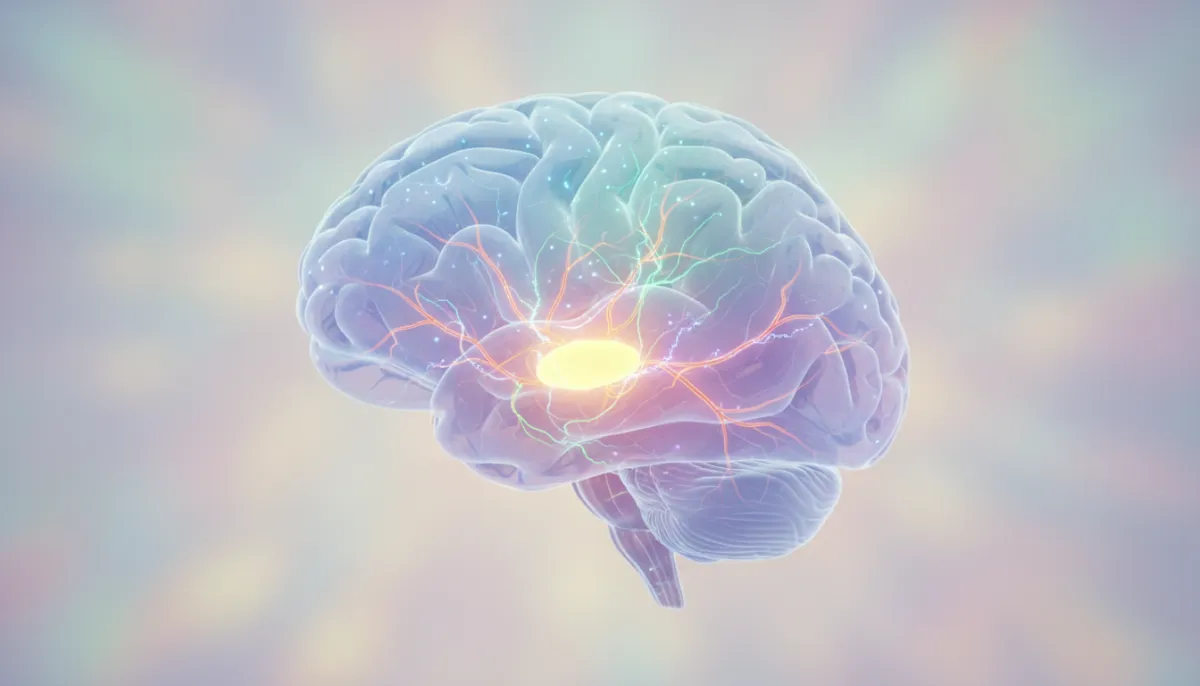
Even without a clear external stressor, the body can initiate a cascade of physiological responses that manifest as anxiety. The autonomic nervous system constantly monitors internal and external cues; when it perceives a threat—real or imagined—it releases adrenaline and cortisol. These hormones increase heart rate, sharpen focus, and prepare the body for “fight or flight,” creating the familiar sensation of nervousness.
Key contributors include:
- Genetic predisposition: Family history of anxiety disorders can heighten baseline nervous system reactivity.
- Hormonal fluctuations: Changes in thyroid function, menstrual cycles, or cortisol rhythms can provoke feelings of unease.
- Sleep disturbances: Poor sleep quality disrupts the brain’s ability to regulate emotions, leading to heightened worry.
- Subclinical medical conditions: Low blood sugar, vitamin deficiencies, or chronic inflammation may subtly influence mood.
These internal signals often operate below conscious awareness, which is why many individuals experience anxiety “for no reason.” Recognizing the physiological roots helps shift the narrative from personal weakness to a manageable health condition.
Common Symptoms and How to Identify Them
Understanding the signs of anxiety is essential for distinguishing it from ordinary stress. While each person’s experience varies, several hallmark symptoms recur across cases where the cause feels invisible.
| Physical Symptom | Emotional/ Cognitive Symptom |
|---|---|
| Rapid heartbeat or palpitations | Persistent worry that seems disproportionate |
| Shortness of breath or hyperventilation | Racing thoughts or mental “blankness” |
| Muscle tension, especially in neck and shoulders | Feeling on edge or “ready to jump” |
| Stomach upset, nausea, or “butterflies” | Moeite met concentreren of beslissingen nemen |
| Sleep disturbances, such as insomnia | Irritability and low mood |
When these symptoms appear without a clear precipitating event, they often fall under the umbrella of generalized anxiety disorder (GAD). Recognizing the pattern—frequency, intensity, and duration—helps clinicians differentiate normal nervousness from a diagnosable anxiety disorder.
Root Causes: What Can Trigger Anxiety When It Feels Unexplained?
Even when you cannot pinpoint a specific event, several hidden factors may be at play. Below are the most frequently identified contributors to anxiety that appears “out of nowhere.”
Psychological Factors
Past trauma, even if not consciously remembered, can prime the brain’s threat detection system. Additionally, perfectionistic tendencies and chronic self‑criticism create an internal pressure cooker that releases anxiety spikes.
Lifestyle Influences
Excessive caffeine, irregular meals, and sedentary habits can destabilize blood sugar levels, leading to jitteriness and worry. Digital overload—constant notifications and screen time—also taxes the nervous system, making it harder to unwind.
Medical Considerations
Conditions such as hyperthyroidism, anemia, or even mild infections can produce symptoms that mimic anxiety. In some cases, medication side effects (e.g., certain asthma inhalers or weight‑loss drugs) may inadvertently raise anxiety levels.
Identifying these hidden triggers often requires a thorough health assessment. If you suspect an underlying medical cause, consulting a healthcare professional for a full evaluation is advisable.
Effective Anxiety Management and Coping Strategies
When anxiety feels uninvited, practical coping tools can restore a sense of control. Below are evidence‑based techniques that address both the mind and body.
- Breathing exercises: The 4‑7‑8 technique (inhale 4 seconds, hold 7, exhale 8) activates the parasympathetic nervous system, reducing heart rate.
- Progressive muscle relaxation: Systematically tensing and releasing muscle groups eases physical tension linked to anxiety.
- Mindfulness meditation: Regular practice trains the brain to observe thoughts without judgment, lowering overall worry.
- Physical activity: Moderate aerobic exercise releases endorphins, improves sleep, and regulates cortisol.
- Limit stimulants: Reducing caffeine and sugar intake can prevent unnecessary spikes in nervous system activity.
For those seeking structured support, cognitive‑behavioral therapy (CBT) remains the gold standard for anxiety treatment. CBT helps reframe catastrophic thoughts, providing tools to challenge irrational worry patterns.
In moments of acute distress, grounding techniques—such as naming five things you can see, four you can touch, three you can hear—can interrupt the anxiety loop and bring you back to the present.
When to Seek Professional Help and Available Treatments
While self‑help strategies are valuable, certain situations warrant professional intervention. Consider reaching out to a specialist if you experience any of the following:
- Symptoms persist for more than six weeks and interfere with daily functioning.
- Physical signs such as chest pain, severe shortness of breath, or frequent panic attacks occur.
- Thoughts of self‑harm or overwhelming hopelessness emerge.
- Medication interactions or underlying health conditions are suspected.
At Gold City Medical Center, we offer a comprehensive approach that combines medical evaluation, psychotherapy, and, when appropriate, pharmacological support. Treatment options may include:
| Treatment Modality | Typical Use | Voordelen |
|---|---|---|
| Cognitive‑behavioral therapy (CBT) | Mild to moderate anxiety | Long‑term skill building, low side‑effects |
| Medication (SSRIs, SNRIs) | Moderate to severe anxiety | Reduces symptom intensity, stabilizes mood |
| Integrative therapies (acupuncture, biofeedback) | Adjunct to conventional treatment | Addresses physiological stress response |
| Lifestyle coaching | All anxiety levels | Improves sleep, nutrition, and exercise habits |
Our multidisciplinary team conducts a thorough assessment to tailor a plan that respects your unique circumstances, ensuring that both the mental and physical aspects of anxiety are addressed.
Why Choose Gold City Medical Center
Gold City Medical Center combines modern medical expertise with an integrative approach to mental wellbeing. Our team includes board‑certified physicians, licensed psychotherapists, and specialists in lifestyle medicine, all dedicated to providing personalized care. Whether you seek diagnostic clarity, therapeutic guidance, or holistic support, we tailor solutions that align with your health goals.
With state‑of‑the‑art facilities and a compassionate environment, we empower patients to move beyond unexplained anxiety toward lasting confidence and balance.
Ready to take control of your anxiety? Contact Gold City Medical Center today to schedule a comprehensive assessment and start your journey toward calm.
Call us or fill out our online intake form—our experts are here to help you feel grounded again.
FAQ
What causes anxiety when there is no obvious trigger?
Anxiety without a clear trigger can stem from genetic predisposition, hormonal changes, sleep problems, or subtle medical issues.
How can I tell if my anxiety is a symptom of a medical condition?
If anxiety is accompanied by physical signs like rapid heartbeat, stomach upset, or persistent fatigue, a medical evaluation is advisable.
What are effective self‑help techniques for unexplained anxiety?
Breathing exercises, progressive muscle relaxation, mindfulness meditation, regular aerobic activity, and reducing caffeine are proven tools.
When should I seek professional help for anxiety that seems to appear out of nowhere?
If symptoms last more than six weeks, interfere with daily life, or include severe physical signs or thoughts of self‑harm, professional help is needed.
How does cognitive‑behavioral therapy (CBT) help with anxiety that has no clear cause?
CBT teaches you to identify and reframe irrational thoughts, providing practical tools to break the anxiety cycle.
Can lifestyle changes reduce anxiety without a known trigger?
Yes, improving sleep, nutrition, exercise, and digital habits can lower baseline anxiety levels.





