Many people ask themselves, why did my hair fall out after noticing an unexpected thinning patch. Sudden hair loss can be alarming, but it often signals an underlying issue that deserves attention. In this article we explore the most common medical, lifestyle, and environmental triggers, clarify the different types of alopecia, and outline effective treatments available today.
According to recent studies, up to 30% of adults experience noticeable hair shedding at some point in their lives. Whether the cause is hormonal, genetic, or stress‑related, early identification can prevent further thinning and improve outcomes.
We will break down the science behind hair growth cycles, discuss how factors like nutrition and scalp health play a role, and provide practical guidance on when to seek professional help. By the end, you’ll have a clearer picture of the reasons behind your hair loss and the steps you can take to restore confidence.
Common Medical Causes of Sudden Hair Loss
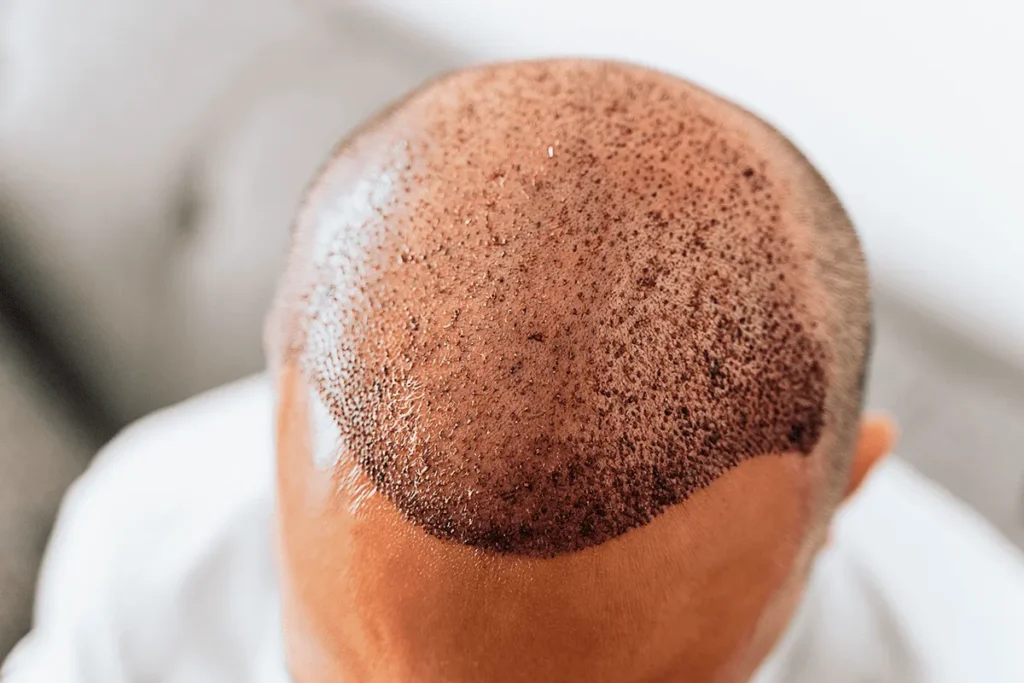
Medical conditions are often the root of unexpected shedding. Hormonal imbalances such as thyroid disorders can disrupt the hair growth cycle, leading to diffuse thinning across the scalp. Autoimmune diseases, especially alopecia areata, trigger the immune system to attack hair follicles, resulting in patchy bald spots.
Other health issues that may cause hair to fall out include:
- Iron deficiency anemia
- Chronic illnesses like diabetes
- Severe infections or high fever
- Medications such as anticoagulants and retinoids
Below is a comparison of common medical triggers and their typical presentation:
| Condition | Typical Hair Loss Pattern | Additional Symptoms |
|---|---|---|
| Hypothyroidism | Diffuse thinning | Fatigue, weight gain |
| Alopecia Areata | Round bald patches | Rapid onset, nail changes |
| Iron Deficiency | Shedding at part line | Pale skin, cravings |
Levensstijl en omgevingsfactoren
Beyond medical issues, daily habits and surroundings play a significant role in hair health. Chronic stress triggers the release of cortisol, a hormone that can push hair follicles into the resting phase, making you wonder why did my hair fall out after a hectic month.
Key lifestyle contributors include:
- Frequent use of heat styling tools
- Tight hairstyles causing traction alopecia
- Poor nutrition lacking protein, zinc, or biotin
- Exposure to pollutants and harsh chemicals
Seasonal changes can also affect shedding rates, with many individuals noticing increased hair loss during the summer months due to sun exposure and sweating.
Understanding Different Types of Alopecia
Not all hair loss is the same, and recognizing the specific type of alopecia is essential for selecting the right behandeling tegen haaruitval. The most prevalent forms include:
Androgenetic Alopecia (Male & Female Pattern)
This hereditary condition, also known as mannelijke kaalheid or female pattern baldness, accounts for the majority of age‑related hair thinning. It typically begins with a receding hairline in men and a widening part in women.
Alopecia Areata
An autoimmune disorder that creates smooth, round bald spots. While it can affect any age, sudden onset often prompts concerns about underlying triggers.
Alopecia tractie
Resulting from prolonged tension on the hair—common with tight braids, ponytails, or extensions—this form can be reversed if the pulling forces are eliminated early.
Comparison of alopecia types:
| Type | Cause | Typical Onset | Reversibility |
|---|---|---|---|
| Androgenetic | Genetic & hormonal | Late teens to 30s | Partial (medication, transplant) |
| Alopecia Areata | Auto-immuun | Any age | Often regrows spontaneously |
| Traction | Mechanical stress | Months of styling | Yes, with reduced tension |
Effective Treatments and When to Seek Professional Help
When you ask yourself, why did my hair fall out, the answer often guides the treatment path. Below are the main options available:
Medical Therapies
Topical minoxidil and oral finasteride remain first‑line behandeling tegen haaruitval for androgenetic alopecia. For autoimmune cases, corticosteroid injections or topical immunotherapy can reduce inflammation.
Hair Transplant Options
Follicular Unit Extraction (FUE) and Follicular Unit Transplantation (FUT) are advanced procedures that relocate healthy follicles from donor areas to balding zones, delivering natural‑looking results.
Integrative Approaches
Gold City Medical Center combines conventional medicine with nutrition counseling, low‑level laser therapy, and PRP (platelet‑rich plasma) to support scalp health and stimulate growth.
Consider professional evaluation if you notice:
- Rapid shedding over weeks
- Patchy bald spots that expand
- Associated scalp itching or pain
- Underlying health symptoms (fatigue, weight change)
Why Choose Gold City Medical Center
Gold City Medical Center offers a comprehensive, integrative approach to hair restoration. Our team blends expertise in medical dermatology, advanced hair transplant techniques, and personalized wellness programs to address the root causes of hair loss. With state‑of‑the‑art facilities and a commitment to patient‑focused care, we provide safe, effective solutions tailored to each individual’s needs.
Ready to regain confidence in your hair? Contact Gold City Medical Center today for a personalized assessment and discover the most suitable treatment plan for you.
Take the first step toward healthier hair—schedule your consultation now.
FAQ
What are the most common medical causes of sudden hair loss?
Common medical causes include thyroid disorders, alopecia areata, iron‑deficiency anemia, chronic illnesses like diabetes, severe infections, and certain medications.
How does stress contribute to hair shedding?
Stress raises cortisol levels, which can push hair follicles into the resting (telogen) phase, leading to increased shedding.
Wat is het verschil tussen alopecia androgenetica en alopecia areata?
Androgenetic alopecia is a genetic, hormone‑driven pattern loss, while alopecia areata is an autoimmune condition causing sudden, round bald patches.
Which treatments are effective for hair loss caused by hormonal imbalances?
Topical minoxidil, oral finasteride, and addressing the underlying hormonal issue are the main treatments.
Wanneer moet ik professionele hulp zoeken voor haaruitval?
Seek a doctor if you notice rapid shedding, expanding bald patches, scalp pain, or accompanying health symptoms.
What services does Gold City Medical Center offer for hair restoration?
Gold City Medical Center provides medical dermatology, minoxidil/finasteride therapy, hair transplant surgery, PRP, laser therapy, and nutrition counseling.





