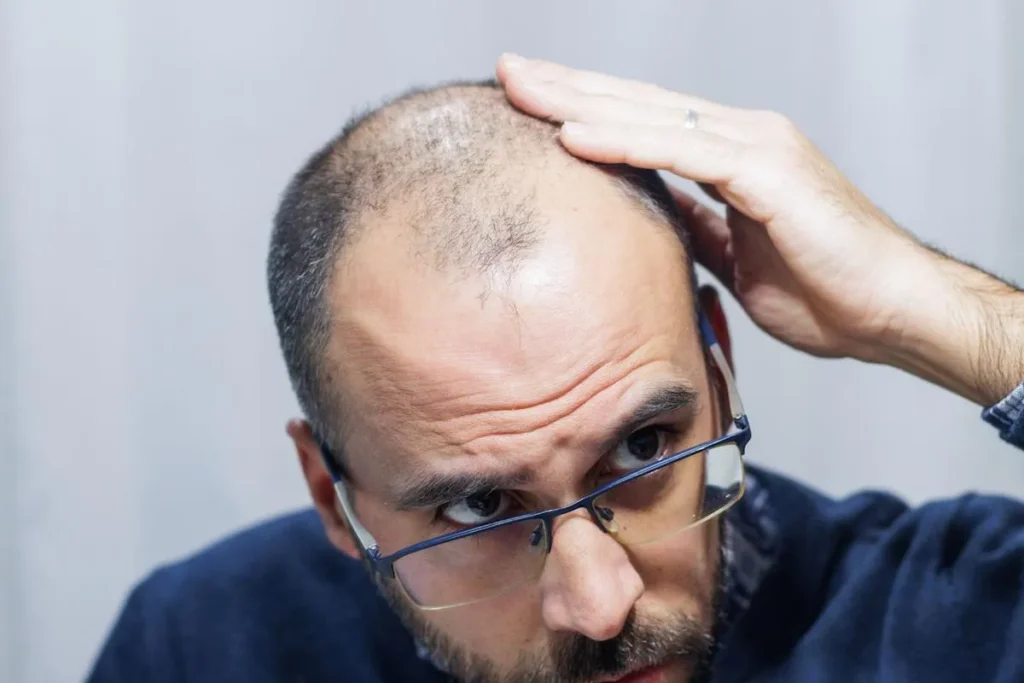
Alopecia areata medication can trigger rapid regrowth. Explore the best treatments, including creams and pills, to fight patchy hair loss.
Alopecia areata is an autoimmune condition that causes unpredictable hair loss. It affects millions worldwide and impacts emotional well-being and quality of life. Recent breakthroughs, including JAK inhibitors like baricitinib, offer hope for patients. The American Academy of Dermatology says various treatments can help manage the condition.
Available treatments include topical corticosteroids, minoxidil, and anthralin ointment. It’s important to consult a healthcare provider to find the best treatment. With the right approach, managing alopecia areata is possible.
Belangrijkste opmerkingen
Topical corticosteroids and minoxidil are common treatments for alopecia areata.
JAK inhibitors, such as baricitinib, have shown significant promise in clinical trials.
Consulting a healthcare provider is essential to determine the best treatment plan.
Anthralin ointment and contact immunotherapy are other available treatment options.
New treatments are emerging, promising better outcomes.
Understanding Alopecia Areata and Its Prevalence
Alopecia areata affects millions worldwide, causing hair loss. This loss can greatly affect a person’s life. It comes in different forms, from small patches to total hair loss.
Types of Alopecia Areata and Their Impact
The condition has different types based on hair loss extent and pattern. Knowing these types helps find the best treatment. Treatments include injections, creams, and pills, which are effective.
New research shows JAK inhibitors as a promising treatment. These therapies offer hope for finding a cure. Studies and new medications are making managing alopecia better.
Keeping up with new treatments is key for those affected. Knowing the options helps manage the condition and improve well-being.
FAQ
Wat is alopecia areata en hoe beïnvloedt het individuen?
Alopecia areata is an autoimmune condition that causes hair loss. It leads to bald patches on the scalp or body. It can really affect a person’s emotional and psychological well-being, impacting their confidence and self-esteem.
What are the available treatment options for alopecia areata?
There are several treatments for alopecia areata. These include topical corticosteroids, minoxidil, anthralin ointment, and JAK inhibitors. These treatments aim to slow down hair loss, stimulate hair regrowth, and manage the condition.
How effective are topical corticosteroids in treating alopecia areata?
Topical corticosteroids are a common treatment for alopecia areata. They can reduce inflammation and promote hair regrowth. But, their effectiveness can vary depending on the individual and the condition’s severity.
What are JAK inhibitors, and how do they work in treating alopecia areata?
JAK inhibitors target the immune system to reduce inflammation and promote hair regrowth. They have shown promise in treating alopecia areata, even when other treatments fail.
Are there any natural remedies or supplements that can help manage alopecia areata?
Some natural remedies and supplements, like biotin and vitamin D, may help promote hair growth. But, it’s important to talk to a healthcare provider before adding any new supplements to your regimen.
How can I manage the emotional and psychological impact of alopecia areata?
Managing the emotional and psychological impact involves self-care, support from loved ones, and professional guidance. Practicing self-love, staying connected with others, and seeking professional help when needed can make a big difference.
What are the possible side effects of alopecia areata treatments?
The side effects of alopecia areata treatments vary. Topical corticosteroids can cause skin thinning, while JAK inhibitors may increase the risk of infections. It’s important to discuss the possible side effects with a healthcare provider to find the best treatment.
How can I stay up-to-date with the latest research and treatment options for alopecia areata?
To stay informed, follow reputable sources like the National Alopecia Areata Foundation. Also, consult with a healthcare provider. They can guide you on the latest therapies and help choose the best treatment plan.





